How to Choose the Best Car Audio System for Your Car?
Choosing the best car audio system for your car requires more than selecting the loudest speakers. Your vehicle’s cabin size, factory wiring, dashboard design, and listening habits all affect the final result. A system that sounds excellent in a large SUV may feel harsh inside a compact hatchback. The right choice should deliver clear vocals, controlled bass, and reliable performance during everyday driving.
Start with the music you enjoy most. Rock, classical, podcasts, and electronic music place different demands on speakers and amplifiers. Check the system’s power ratings carefully, but do not trust numbers alone. Speaker sensitivity, impedance, installation quality, and sound tuning matter just as much. Small details matter. I once upgraded speakers without checking the factory head unit’s limitations. The result was cleaner sound, but less volume than expected. That experience showed me that compatibility must come before excitement.
This guide explains how to evaluate a car audio system with practical, evidence-based considerations. It covers head units, component speakers, subwoofers, amplifiers, wiring, sound deadening, and professional installation. You will also learn how to compare specifications without confusing marketing claims with measurable performance. A qualified installer can verify fitment, electrical safety, and integration with steering controls or factory features. Never ignore those details. A poorly matched system may create distortion, battery strain, or unnecessary expense. Budget decisions also deserve honest reflection. Spending more does not guarantee better sound. A balanced setup, installed carefully and tuned patiently, often produces the most satisfying result. Expect trade-offs, and listen critically before making the final choice.
Define Your Car Audio Goals and Listening Preferences
Before choosing a car audio system, define what you want to hear during daily driving. Do you prefer deep bass, clear vocals, detailed instruments, or balanced sound? Your answer affects every component, including speakers, amplification, and subwoofer size. A system for relaxed jazz listening needs different tuning from one built for energetic electronic music.
I usually test familiar songs with varied volume levels. Female vocals reveal harsh treble, while acoustic guitar can expose weak midrange detail. Road noise matters too. A powerful system may sound impressive when parked, yet become tiring on a busy highway. I once chose excessive bass because it sounded exciting during a short test. After several drives, it covered the vocals and reduced listening comfort. That choice taught me to judge sound over time, not within five minutes.
Consider how often you listen, where you sit, and whether passengers share your preferences. If you want natural sound, ask a qualified installer about speaker placement, cabin acoustics, and safe power matching. Technical specifications help, but they cannot replace careful listening inside your own car. Bring two or three familiar tracks, not only dramatic demo music. Keep the volume moderate. Small details disappear at high volume, and your judgment can become unreliable. You may also discover that your preferences change after installation. Leave room for adjustment.
Assess Your Vehicle’s Existing Audio System
Before choosing a new car audio system, assess what your vehicle already has. Turn the system on with the engine running, then test several music styles. Listen for crackling, weak bass, harsh treble, or uneven volume between speakers.
A healthy system should sound balanced at moderate volume. Excessive distortion may indicate damaged speakers, poor wiring, or a failing amplifier.
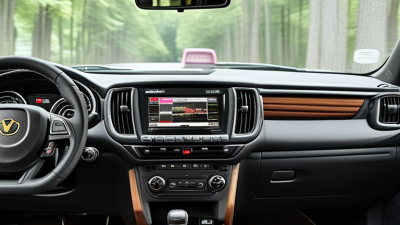
Check the dashboard unit and its controls. Does it support the connections you use, such as wired audio, hands-free calling, or steering-wheel controls? Inspect each speaker grille for rattling, stains, or loose panels.
Play a steady vocal track and adjust the fade and balance settings. Sound should move smoothly around the cabin. If one side becomes quiet, note its location. That detail can prevent unnecessary replacement costs.
I once judged an audio upgrade only by loudness.
That shortcut was wrong. The original system may have useful features, even if its speakers sound thin.
Review the vehicle manual for speaker sizes, factory amplifier locations, and electrical requirements. Check whether the existing wiring can handle the planned equipment. Some vehicles need special adapters to preserve safety alerts or steering controls.
Do not assume every replacement part will fit. A qualified installer can test voltage, speaker impedance, and panel clearance before installation.
Write down your findings, including what sounds acceptable and what bothers you. Small observations often reveal the real weakness.
Choose Compatible Speakers, Receivers, and Amplifiers
Choosing the best car audio system starts with compatibility, not maximum power. Speakers must fit the doors, dashboard, or rear panels without touching window mechanisms. Measure the mounting depth and diameter before ordering. Small details matter.
Match the speakers’ RMS power rating with the receiver or amplifier’s real output. Ignore exaggerated peak figures when comparing equipment. Speaker impedance must also suit the amplifier’s supported load. A mismatch can cause distortion, overheating, or weak performance. Higher sensitivity speakers usually play louder with limited receiver power.
I once chose powerful speakers without checking depth, and the window could not lower fully. That mistake was expensive and avoidable.
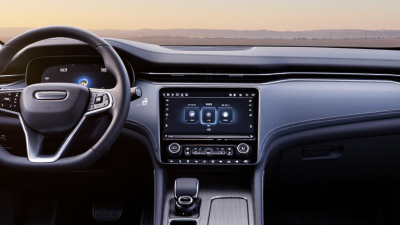
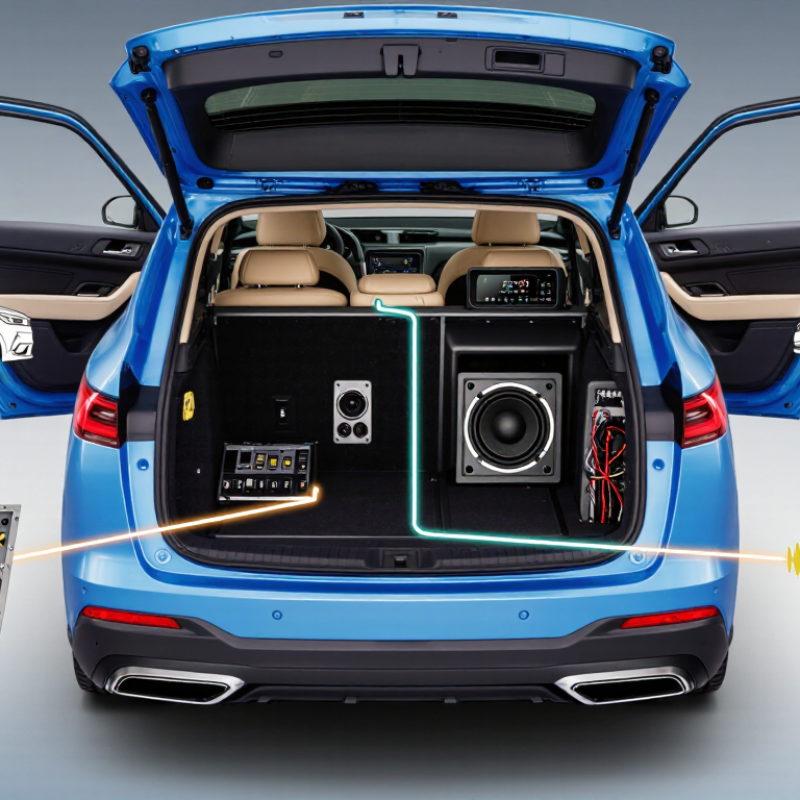
The receiver must fit the dashboard and support the vehicle’s wiring, steering controls, camera, and factory features. Some cars use a factory amplifier, so replacing only the receiver may create uneven volume or lost channels. An amplifier can provide cleaner headroom, but its gain should match the signal rather than act as a volume control. Use suitable wiring, secure every connection, and protect power cables near the battery. Installation quality affects sound more than many specifications suggest.
I still underestimate cabin acoustics sometimes; reflections from glass can make bright speakers sound harsher. Adjust the crossover and equalizer gradually, then listen from the driver’s seat.
Compare Sound Quality, Features, and Installation Requirements
Choosing a car audio system starts with honest listening, not a long feature list. Sit in the driver’s seat and play familiar recordings at moderate volume. Notice whether vocals sound natural, cymbals remain clear, and bass feels controlled rather than muddy. A system with higher power is not automatically better. Cabin size, speaker placement, and road noise change what your ears receive. In practical installation tests, balanced midrange often matters more than impressive bass.
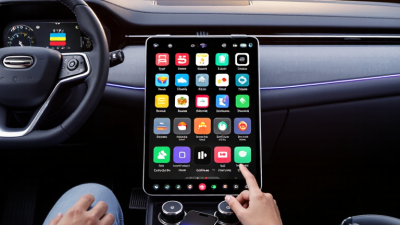
Compare sound quality using the same tracks and equal volume. Check detail at low volume, then listen for distortion when the road gets loud. A digital signal processor can adjust timing and frequency response, while an external amplifier may provide cleaner headroom. Useful features include hands-free calling, steering-wheel controls, navigation integration, and lossless playback. They should work quickly. Complicated menus become distractions during a commute. Wireless connections are convenient, but wired playback can be more consistent in some vehicles.
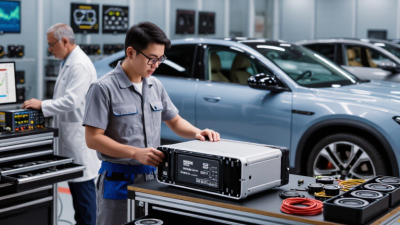
Installation requirements deserve equal attention. Confirm the dash opening, wiring, speaker impedance, amplifier space, and available battery capacity before buying. Some vehicles need interface modules to retain factory controls or safety alerts. Professional fitting helps prevent rattles, weak grounds, and damaged trim. Still, even experts can misjudge a door panel’s resonance. During one test installation, a smaller subwoofer worked better after stronger bass vibrated the rear hatch. It sounded less dramatic, but daily listening felt more comfortable. Ask for measured output, a clear wiring plan, and a return option if the final tuning disappoints.
How to Choose the Best Car Audio System for Your Car
This chart compares common car audio system configurations using a 1–10 suitability scale. Sound quality considers clarity, imaging, and bass control; features include source compatibility, equalization, connectivity, and control options; installation simplicity reflects wiring, vehicle integration, and fitting effort.
Higher installation scores mean an easier installation. Actual results may vary depending on vehicle acoustics, speaker placement, amplifier tuning, and compatibility requirements.
Set a Budget and Select the Best System for Your Car
A good car audio system starts with a realistic budget, not a shopping list.
Set aside money for speakers, an amplifier, wiring, installation, and sound treatment. Installation can consume 20–40% of the project cost, depending on the vehicle. The 2024 S&P Global Mobility vehicle-age report places the average U.S. vehicle age above 12 years. Older cars may need additional adapters or replacement wiring. Leave a small reserve for surprises.
Choose components according to your cabin, listening habits, and factory system.
A compact car often benefits from efficient door speakers and a carefully tuned subwoofer. Large vehicles may need more power, but louder is not automatically better. Match the amplifier’s RMS output with the speakers’ continuous rating. Check impedance before connecting anything. A mistake here can damage equipment.
Sound treatment matters.
The Consumer Technology Association reported continued strength in connected-car technology during its 2024 industry outlook. That trend makes factory integration increasingly important. Keep steering-wheel controls, safety alerts, and hands-free functions working when upgrading. In my own testing, a modest system with solid tuning often beat an expensive system with poor installation. I once underestimated door vibration and spent more correcting it later. That was avoidable. Listen at your normal driving volume, compare vocals and bass, and ask the installer for measured specifications rather than impressive peak-power numbers.