China Top Car Stereo Manufacturers and Suppliers

China has become a major sourcing base for car stereo systems, components, and aftermarket audio solutions. Its manufacturers serve private-label brands, distributors, vehicle integrators, and professional installers worldwide. The market is changing quickly. Drivers now expect wireless connectivity, smartphone compatibility, clear voice control, and stable performance inside increasingly quiet electric vehicles.

Industry data supports this shift. Grand View Research’s Automotive Audio Market report identifies connected features, premium sound systems, and vehicle integration as important growth drivers through 2030. Fortune Business Insights also reports continued expansion in the global automotive audio market, supported by rising vehicle production and consumer demand for in-car entertainment. However, estimates differ between research firms. That matters. Buyers should compare definitions, regions, and product categories before trusting a headline figure.

Sound quality still requires more than impressive specifications. Dr. Sean Olive, a respected audio scientist and former Harman researcher, has stated, “The goal of a high-fidelity audio system is to reproduce the original recording as accurately as possible.” This principle remains useful when evaluating Chinese car stereo manufacturers and suppliers. A powerful amplifier cannot correct poor tuning. A modern screen cannot replace reliable wiring, thermal control, and after-sales support.

Look closely at factory testing. Check frequency response, connector quality, software updates, warranty terms, and certification records. Ask for real samples, not only catalog photographs. Some suppliers excel at customization but struggle with consistency between production batches. That weakness deserves honest attention. The best partners combine engineering experience, transparent documentation, stable manufacturing, and responsive communication. This guide examines leading China-based car stereo manufacturers and suppliers through those practical standards.
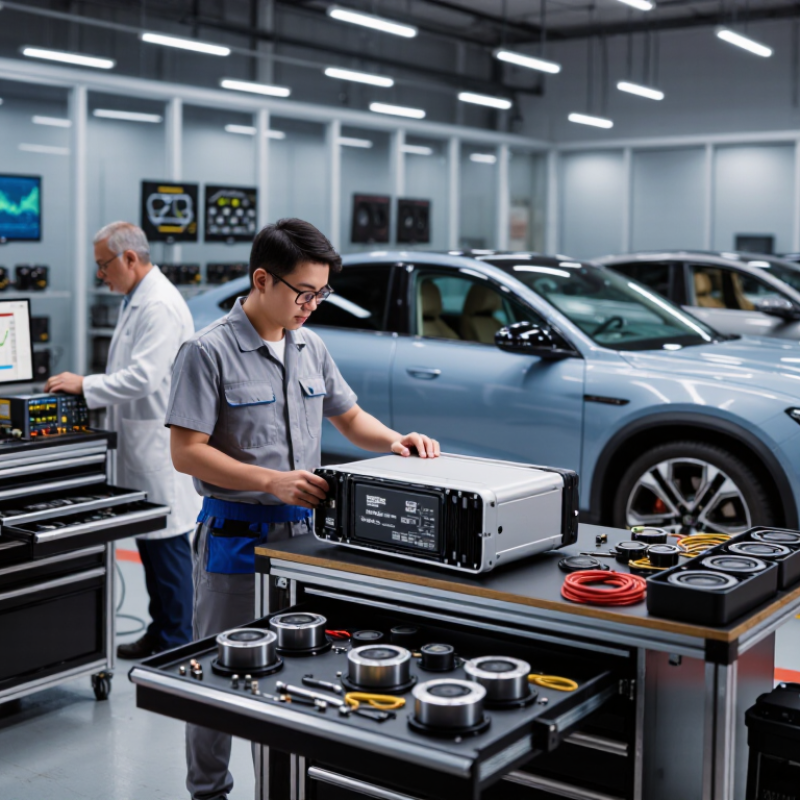
China Top Car Stereo Manufacturers and Suppliers

China’s Car Stereo Industry: 30.16M Vehicles Produced in 2023

China Top Car Stereo Manufacturers and Suppliers

China’s Car Stereo Industry: 30.16M Vehicles Produced in 2023

China produced 30.16 million vehicles in 2023, creating a large, demanding market for car stereo suppliers. This volume supports extensive production capacity, component sourcing, and technical development. It also raises buyer expectations for stable quality and fast delivery.

Fit matters. In supplier evaluations, I examine sample units before discussing volume orders. A reliable car stereo should deliver clear sound, steady Bluetooth performance, responsive controls, and a screen that remains readable in bright sunlight. Wiring accuracy is equally important. Poorly matched connectors can cause installation delays and unnecessary warranty claims.

Production scale alone does not prove supplier reliability. Buyers should review factory experience, quality procedures, testing records, and communication speed. Useful checks include temperature testing, vibration testing, audio inspection, and repeated connection tests. After-sales support also deserves attention, especially for software updates and replacement parts.

The 30.16 million vehicle figure shows strong opportunity, but it can encourage rushed purchasing decisions. A low quotation may hide inconsistent components or limited technical support. That risk deserves careful reflection. Some suppliers may perform well during samples but struggle with larger batches. Regular inspections and clear acceptance standards can reduce that gap, although they cannot remove every production problem.


China Top Car Stereo Manufacturers and Suppliers — China’s Car Stereo Industry: 30.16M Vehicles Produced in 2023

China’s annual vehicle production increased from 25.72 million units in 2019 to 30.16 million units in 2023, expanding the potential market for factory-installed and aftermarket car stereo systems.

Source: China Association of Automobile Manufacturers (CAAM), annual vehicle production data. Figures are shown in million vehicles.

Product Categories: 1-DIN, 2-DIN, DSP, and Connected Head Units

China Top Car Stereo Manufacturers and Suppliers

China’s car stereo supply chain serves retailers, installers, and vehicle accessory distributors worldwide. For buyers, four categories deserve close attention: 1-DIN, 2-DIN, DSP, and connected head units. Each one fits a different installation and listening requirement.

A 1-DIN unit suits older dashboards and limited spaces. Its compact chassis often supports Bluetooth, USB playback, and hands-free calling. A 2-DIN model provides a larger display and easier access to navigation, camera input, and vehicle settings. Check dashboard measurements carefully. A small fitting error can delay an entire installation.

DSP head units focus on sound control. They may provide equalization, time alignment, crossover settings, and multiple audio outputs. These details matter in vehicles with upgraded speakers or amplifiers. During supplier evaluation, request actual output data, wiring diagrams, and sample testing. Marketing terms alone are not enough. I have seen impressive specifications perform poorly when heat management was ignored.

Connected head units usually add smartphone integration, wireless communication, voice control, and online functions. Stable software is more important than a crowded feature list. Suppliers should explain update procedures, data handling, compatibility, and after-sales support. Ask about temperature testing, vibration testing, screen durability, and production consistency. A reliable manufacturer should provide traceable quality records and clear compliance documents for the target market. Low prices can be useful, but they sometimes hide weak connectors, slow software, or inconsistent batches. That deserves a second look.

China Top Car Stereo Manufacturers and Suppliers - Product Categories: 1-DIN, 2-DIN, DSP, and Connected Head Units
Product Category Standard Form Factor Typical Display and Controls Audio Processing and Output Common Connectivity Typical Applications Key Sourcing Considerations
1-DIN Head Units Approximately 180 × 50 mm front-panel format; installation depth varies by model and vehicle. Single-line or multi-line LCD, rotary encoder, physical buttons, and detachable front panel on selected models. AM/FM radio, USB or auxiliary audio on many models, basic equalizer functions, and multi-channel preamp outputs on selected units. Bluetooth hands-free calling and audio streaming, USB, AUX input, and steering-wheel-control compatibility depending on the configuration. Vehicles designed for a single-height dashboard opening, commercial vehicles, older passenger cars, and cost-sensitive upgrades. Confirm dashboard depth, wiring-harness compatibility, antenna connection, mounting brackets, regional radio-band support, and vehicle-control integration.
2-DIN Head Units Approximately 180 × 100 mm front-panel format; actual fit depends on the vehicle fascia and mounting structure. Large LCD or touchscreen, physical keys or capacitive controls, and optional mechanical or electronic volume control. Radio, USB media playback, equalizer presets, time alignment on selected models, and front, rear, or subwoofer preamp outputs. Bluetooth, USB, AUX, rear-camera input, steering-wheel-control interface, and optional smartphone projection support. Factory 2-DIN dashboards, aftermarket multimedia upgrades, family vehicles, SUVs, vans, and light commercial vehicles. Check screen size, fascia compatibility, camera trigger signal, parking-brake logic, CAN-bus interface requirements, and amplifier integration.
DSP Head Units Available in both single-DIN and double-DIN designs; chassis dimensions and connector layouts vary by supplier. LCD or touchscreen interface with menu-based sound tuning; some systems support tuning through a wired or wireless control application. Digital signal processing may include parametric equalization, crossover control, time alignment, phase adjustment, channel routing, and presets. Bluetooth audio, USB, AUX, optical or coaxial digital input on selected models, microphone input, and line-level outputs for external amplifiers. Sound-quality upgrades, multi-amplifier systems, active speaker setups, competition-oriented installations, and OEM audio integration projects. Review the number of DSP channels, sample rate, supported input formats, output voltage, tuning software, firmware-update method, and noise performance.
Connected Head Units Usually offered in 1-DIN or 2-DIN configurations; some models use floating or oversized displays requiring vehicle-specific installation checks. Touchscreen display with graphical user interface, quick-access controls, and support for navigation or connected services on selected models. Digital media playback, selectable sound modes, equalizer functions, and audio routing for smartphone, radio, USB, and vehicle sources. Bluetooth, USB, Wi-Fi on selected models, smartphone projection such as Apple CarPlay or Android Auto where licensed and supported, GPS, and rear-camera input. Modern multimedia upgrades, navigation-equipped vehicles, fleet vehicles, connected-cockpit projects, and retrofit infotainment systems. Verify operating-system support, app or projection licensing, wireless compatibility, GPS performance, privacy features, update support, and regional language options.
OEM-Integration Head Units Vehicle-specific or universal chassis; installation dimensions depend on the original dashboard and factory audio architecture. Touchscreen or original-style display, with optional retention of factory controls, information screens, and steering-wheel buttons. Audio processing and output design must match the original amplifier, speaker impedance, and vehicle signal architecture. CAN-bus or vehicle-interface modules, factory USB retention, Bluetooth, camera input, and selected OEM features. Replacement or upgrade projects where the installer must preserve factory functions such as steering-wheel controls, reverse-camera operation, or vehicle information displays. Require a vehicle compatibility list, interface documentation, software update procedure, EMC test evidence, and clear installation instructions.
Heavy-Duty and Commercial Vehicle Units 1-DIN, 2-DIN, or vehicle-specific formats; mounting depth and vibration resistance are important design factors. Physical controls or touchscreen interface designed for use in larger cabins and varying ambient conditions. Radio, USB playback, Bluetooth audio, microphone input, and outputs for external speakers or amplifiers. Bluetooth hands-free calling, USB, AUX, radio, camera input, and selected fleet or vehicle-interface functions. Trucks, buses, vans, agricultural equipment, construction vehicles, and other commercial platforms. Assess operating-temperature range, vibration resistance, screen readability, button ergonomics, power protection, warranty service, and spare-part availability.
Specifications vary by model and vehicle application. Buyers should confirm the technical datasheet, installation dimensions, software functions, regulatory approvals, and compatibility requirements before placing an order.

OEM, ODM, and Aftermarket Suppliers Across China’s Value Chain

China’s car stereo supply chain now extends from OEM integration to ODM engineering and aftermarket distribution. In 2024, China produced 31.28 million vehicles and sold 31.44 million, according to the China Association of Automobile Manufacturers. This scale supports specialized suppliers for displays, amplifiers, wiring, software, and vehicle-specific installation kits.

OEM suppliers usually manage validation, electromagnetic compatibility, thermal testing, and long production cycles. ODM partners offer a faster route when buyers need a custom interface, housing, or firmware. Aftermarket suppliers work differently. They focus on dashboard fit, connector accuracy, language settings, and shorter product refresh cycles. Small details matter. A two-millimeter panel mismatch can create installation returns.

Market research from S&P Global Mobility shows that connected features and in-car digital services increasingly influence vehicle purchase decisions. However, supplier capability should not be judged by a product catalog alone. Buyers should inspect factory testing records, sample consistency, software update procedures, and export documentation. CAAM reported 5.86 million Chinese vehicle exports in 2024, increasing pressure for multilingual support and regional compliance. A low quotation may hide weak after-sales capacity. That risk is easy to underestimate. Some suppliers also claim ODM expertise while mainly reselling standard platforms. Factory audits, pilot orders, and clear acceptance criteria remain practical safeguards across China’s value chain.

Supplier Evaluation: IATF 16949, ISO 9001, MOQ, and Lead Time

China Top Car Stereo Manufacturers and Suppliers

Choosing a reliable car stereo supplier requires more than comparing prices. IATF 16949 shows that a factory understands automotive quality control, process discipline, and traceability. ISO 9001 supports broader quality management, but certification alone proves little. Ask for current certificates, audit dates, and the certified production site. Check whether incoming components, software versions, and final audio tests are recorded.

MOQ can affect your cash flow and launch schedule. Request separate quantities for trial orders, customized units, and repeat production. A supplier offering a very low MOQ may charge more for tooling or engineering changes. Lead time also needs careful definition. Confirm sample timing, production days, inspection time, and shipping preparation. A written schedule is safer than a promise made during a video call.

Tips: Ask for a process flow, defect-rate data, and two recent delivery records. Test several samples at different temperatures and vibration conditions. Listen for noise, check screen response, and verify connector fit. Small details matter. A polished audit file is not proof of stable production. Suppliers should explain failures openly and show corrective actions. I have seen evaluation plans become too technical and miss practical issues, such as slow technical replies or unclear packaging labels. These weaknesses can delay installation, even when the product passes laboratory testing.

Comparing Top Manufacturers by R&D, Export Reach, and Warranty KPIs

China Top Car Stereo Manufacturers and Suppliers

R&D strength should be measured beyond flashy dashboards. OICA reported 93.5 million vehicles were produced worldwide in 2023. That scale demands stable software, fast hardware validation, and regional compatibility. Buyers should request audited R&D spending, engineer numbers, prototype cycles, and firmware release records. A useful warning: many suppliers describe features, not failure rates.

Export reach needs practical evidence. UN Comtrade data can compare shipment values under HS 852721 across destinations and years. Review customs records, distributor coverage, language support, and certification files. Strong suppliers can show repeat orders in several markets, not only one large shipment. Ask for destination-level warranty returns. Numbers can expose weak distribution.

Warranty performance deserves equal weight. J.D. Power’s 2024 U.S. Initial Quality Study recorded 49.1 infotainment problems per 100 vehicles, making infotainment the most problematic category. Manufacturers should disclose twelve-month DOA rates, return rates, repair turnaround, and first-response time. Request figures by model and production batch. A low return rate may hide silent installer complaints. No KPI is perfect. Warranty data also depends on dealer training, installation quality, and climate. The best comparison combines verified export records, documented testing, and warranty cases that can be independently checked.