What Are the Top Car Radio Types in 2026?
Choosing a car radio in 2026 means balancing sound, screen size, phone features, and vehicle compatibility. The choices range from compact single-DIN receivers to double-DIN touchscreens and floating displays. Drivers who rarely use physical media may prefer digital media receivers. Others may value a CD player, satellite radio, or a factory-style replacement that keeps the dashboard looking original.
The right fit is not always the newest model. A bright touchscreen can be difficult to use in direct sunlight, while a basic receiver may lack the navigation or hands-free features a driver relies on. Before comparing models, check the dashboard opening, wiring, steering-wheel controls, and support for wired or wireless Apple CarPlay and Android Auto. Compatibility varies by vehicle and receiver. It is easy to overlook that detail.
Veteran car-audio competitor Richard Clark is associated with a measurement-focused approach to audio performance. A practical editorial principle aligned with that approach is: “Choose a receiver by verified fit and performance, not screen size alone.” This is an editorial summary, not a verbatim quotation from Clark. In the sections ahead, we’ll compare the leading car radio types, explain their useful features, and note where each one can fall short. No single type suits every car. A careful match matters more than a crowded feature list.
How Car Radio Types Are Classified in 2026
What Are the Top Car Radio Types in 2026?
How Car Radio Types Are Classified in 2026
Car radios are easiest to classify by fit, interface, and audio sources. Fit usually refers to the dashboard opening: common formats include single-DIN and double-DIN. The label alone does not confirm compatibility. Dashboard depth, wiring, antenna connections, and factory controls can affect installation. Check the vehicle manual or ask a qualified installer before choosing a unit.
By interface, radios range from simple receivers with physical buttons to touchscreen multimedia systems. Some support phone calls, music streaming, or navigation through a connected device; others include more functions in the receiver itself. Audio sources are another useful category, including broadcast radio, digital files, and wireless connections. These groups overlap. A touchscreen model can still be a basic radio, and a button-operated receiver may support modern connections. The categories are helpful, but not perfectly tidy.
Tips: Measure the dashboard opening and check the wiring before buying. Confirm that essential controls and antenna connections will work. A small mismatch can mean extra parts—or a frustrating installation.
Single-DIN and Double-DIN Car Radios
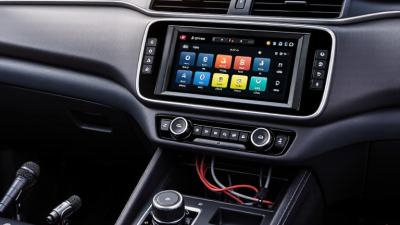
Single-DIN and double-DIN describe the size of a car radio’s front panel, not its sound quality. A single-DIN unit is roughly two inches tall and seven inches wide. A double-DIN unit is about four inches tall, with a similar width. These familiar measurements help narrow the options, but they do not guarantee a direct fit.
Single-DIN radios suit many vehicles with a narrow dashboard opening. Their compact screens often leave room for physical buttons, which can be easier to use by touch. Some models include a fold-out display, but moving parts may need extra clearance. Double-DIN radios use a taller opening for a larger screen and more on-screen controls. That can make maps and menus easier to see. More screen space, though, does not automatically mean simpler operation.
Check the dashboard opening before choosing either type. Measure its height and width, then confirm the radio’s depth and mounting method in the vehicle’s fitment information. Wiring connectors, steering-wheel controls, and nearby climate controls can affect installation too. Small details matter. A dashboard may appear to accept a double-DIN unit, yet still lack room behind it for cables. Vehicle trim can also change the result. When fitment information is unclear, a qualified installer can inspect the opening before parts are ordered. The label alone is not enough.
What Are the Top Car Radio Types in 2026? — Single-DIN and Double-DIN Car Radios
Both formats have a nominal width of 180 mm. A Double-DIN opening is about 100 mm tall—twice the 50 mm height of a Single-DIN opening. Actual fit depends on the vehicle’s dashboard and mounting hardware.
Car Radios with Apple CarPlay and Android Auto
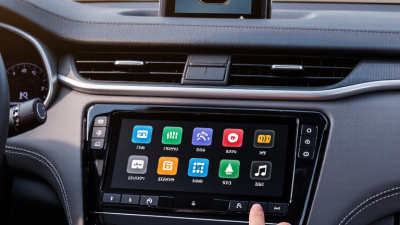
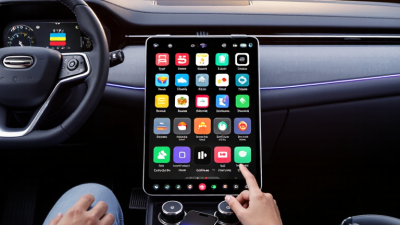
In 2026, a useful car radio is often a touchscreen receiver that supports both major smartphone projection systems. It can show navigation, calls, and audio on the dashboard display, reducing the need to handle a phone. Look for a screen that remains readable in direct sunlight, physical controls for volume, and a responsive touch interface. Small details matter. A stiff cable across the console is annoying, and wireless connection can drain a phone battery faster than expected.
Grand View Research’s 2024 Automotive Infotainment Market analysis estimated the global market at 25.8 billion US dollars in 2023, with projected annual growth of 8.7% through 2030. The estimate signals strong demand, but it does not prove that every expensive receiver is a better fit. Check your dashboard opening, steering-wheel control compatibility, and microphone placement before buying. NHTSA reported 3,308 deaths in distraction-affected crashes in 2022, underscoring why clear controls and voice operation deserve attention. Still, voice commands are imperfect in noisy cabins. Test the system with your usual route and a call before relying on it daily.