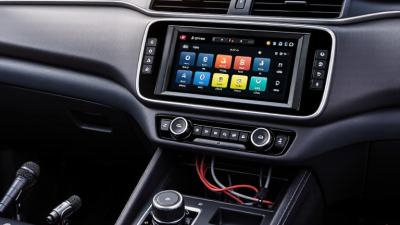
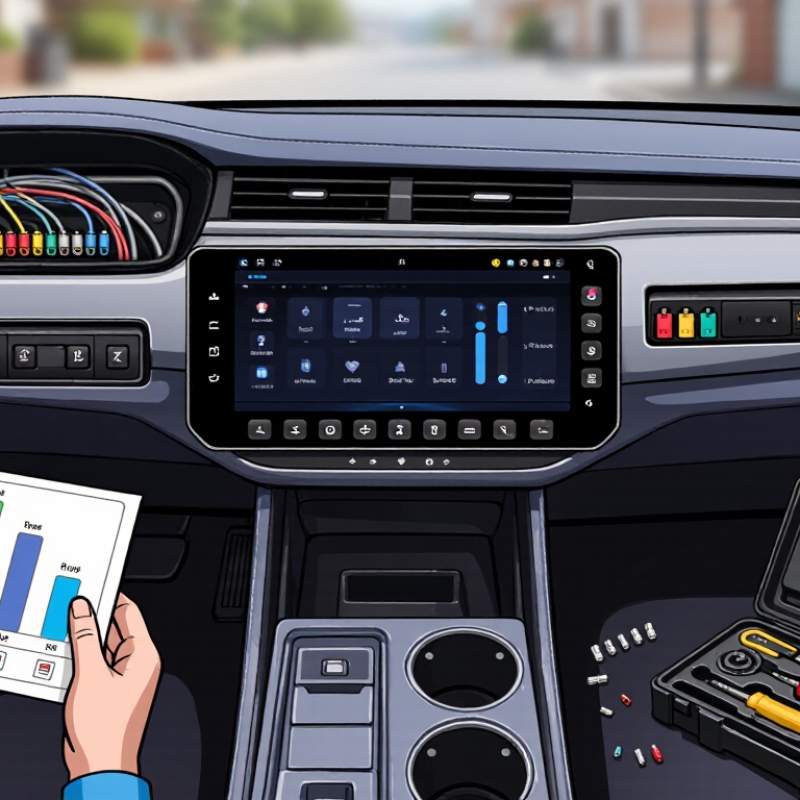
Choosing the best car stereo in 2026 means matching the unit to your vehicle, listening habits, and budget—not simply choosing the largest screen. Check the dashboard opening, wiring harness, antenna connection, and support for steering-wheel controls before comparing models. A stereo that looks compatible online may still need a vehicle-specific adapter. Small details matter.
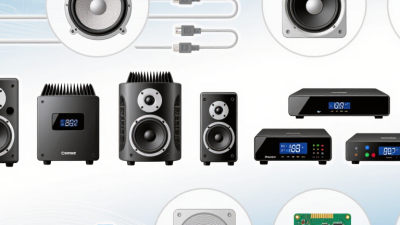
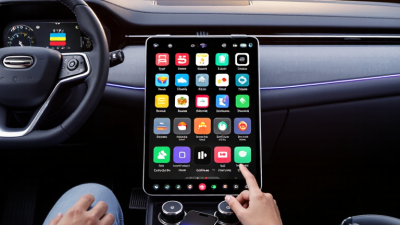
Then consider the features you will use every day. If you rely on Apple CarPlay or Android Auto, confirm that the exact model supports your phone and preferred connection method. Compare screen visibility in daylight, button placement, Bluetooth performance, and audio settings. For sound, look beyond peak-power claims; RMS power and compatibility with your speakers provide more useful clues. A brief listening test can reveal harsh treble or weak vocals that a specification sheet cannot.
Installation deserves equal attention. Some drivers can handle a straightforward replacement, while others may need an adapter, extra wiring, or professional help. Keep those costs in the total price. Not just the unit. Check warranty terms and the manufacturer’s current compatibility information, since vehicle trims and stereo configurations can differ. It is easy to overvalue flashy features; a clear display and reliable controls may matter more on a daily commute. Even careful buyers can miss one connector. This guide will help you compare practical options, identify trade-offs, and choose a car stereo that suits your vehicle without paying for features you are unlikely to use.
Choosing the best car stereo in 2026 starts with your real driving routine, not a feature list. The U.S. Census Bureau’s 2023 American Community Survey reports an average American commute of 26.8 minutes. That is plenty of time for podcasts, calls, or a carefully chosen playlist. Be honest. Your weekend music habits may not match your weekday drive.
Note what you listen to during a normal week. Do you stream spoken-word audio, rely on local radio, or play downloaded music where reception drops? Consider who rides with you, too. A family car may need quick access to different listening preferences. If your commute includes stop-and-go traffic, simple controls matter more than flashy menus. NHTSA reported 3,275 deaths in distraction-affected crashes in 2023. That figure cannot tell you which stereo to buy, but it underlines the value of setting audio before moving.
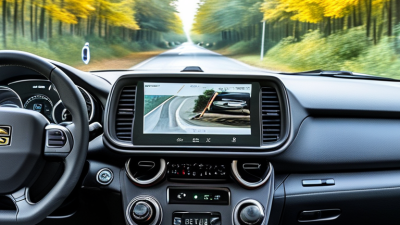
Check how a receiver will work with your phone, existing speakers, and steering-wheel controls. Then test the screen from your usual seat, with daylight on the dashboard. Bring a familiar song; listen for clear vocals at moderate volume, not just heavy bass in a quiet shop. Your first estimate of what matters may be wrong. I’d reconsider any feature that sounds impressive but adds steps during a rushed morning.
| Listening Needs | Typical Driving Habits | Features to Prioritize | Why They Matter | What to Check Before Buying |
|---|---|---|---|---|
| Podcasts, audiobooks, and spoken-word radio | Short commutes with frequent stops; listening at moderate volume | Clear midrange, easy-to-read controls, quick source selection, reliable Bluetooth or wired phone connection | Voice clarity and simple operation are more useful than high output power for spoken audio. | Confirm phone compatibility, microphone support, and whether essential controls can be used without navigating multiple menus. |
| Varied playlists and everyday music | Mixed city and highway driving; frequent changes between apps, radio, and local audio | Compatible phone integration, Bluetooth, USB audio, radio reception, and straightforward tone controls | Flexible inputs make it easier to use different audio sources and adjust sound for different recordings. | Check which phone connection methods are supported and whether the vehicle’s steering-wheel controls can be retained. |
| Bass-focused music | Longer drives or listening at higher volume, often with plans to add a subwoofer | Dedicated subwoofer output, adjustable crossover, useful equalizer controls, and preamp outputs for system expansion | These controls help integrate a subwoofer with the door speakers and provide a clearer upgrade path. | Compare RMS power specifications rather than peak-power figures; confirm amplifier and subwoofer compatibility before adding equipment. |
| Detailed music and balanced sound | Regular listening on longer commutes; preference for clean sound across vocals and instruments | Adjustable equalization, time alignment where available, clean preamp outputs, and support for the intended audio sources | Sound adjustments can help account for speaker placement and differences between music sources. | Review the actual audio formats and input connections you use; confirm the system can work with existing speakers or planned upgrades. |
| Navigation, calls, and connected-phone features | Daily commuting in unfamiliar areas; frequent hands-free calls and route changes | Phone projection or compatible navigation, hands-free calling, a clear display, and a well-placed microphone | Convenient access to calls and directions can reduce distraction when used appropriately. | Check wired versus wireless connection requirements, phone operating-system compatibility, screen visibility, and local hands-free driving rules. |
| Simple, dependable audio in an older vehicle | Occasional or everyday use with a preference for familiar physical controls | Physical buttons, basic Bluetooth or USB, readable controls, and standard audio adjustments | A simpler interface can be easier to operate and may avoid paying for features that will not be used. | Verify dashboard opening size, wiring needs, antenna connection, and whether an installation adapter is required. |
| Shared vehicle with different drivers | Multiple drivers with different phones, audio preferences, or regular routes | Multiple device pairing, clear user settings, easy-to-change audio sources, and accessible controls | Flexible connections and simple settings make handoffs between drivers more convenient. | Check how many devices can be paired, how profiles or presets work, and whether the display and controls suit all drivers. |
Fitment reminder: Before choosing a stereo, verify the vehicle’s dashboard dimensions, wiring, antenna connection, factory amplifier, backup camera, steering-wheel controls, and other integrated features. Installation adapters or professional installation may be needed.