Top 10 Car Audio Manufacturers in China for Global Buyers

China has become a major sourcing base for in car audio, with manufacturers supplying speakers, amplifiers, head units, and integrated systems. Yet a factory address alone tells global buyers very little. Product consistency, engineering support, communication, and clear quality checks matter just as much as a competitive quotation. Small details count: connector fit, wiring layout, heat management, and whether a sample behaves like the production unit.

Audio researcher Dr. Floyd Toole’s work offers a useful reminder: loudspeakers and listening conditions strongly influence perceived sound quality. This is a paraphrase of his research, not a direct quotation. That perspective helps explain why specifications on paper cannot tell the whole story. Buyers should compare measured performance with real installation needs, then ask suppliers how they verify repeatability. Ask about sample testing, production controls, documentation, and after-sales support. Check answers carefully.

This guide introduces ten Chinese car-audio manufacturers for global buyers. It is a starting point, not a final verdict. Some companies may suit volume programs; others may fit custom projects or specific product categories. No list can replace direct evaluation. A polished catalog is not proof. Request relevant test records, inspect product details, and confirm that quoted capabilities match the products being offered. The process takes time. It is worth it. Even careful research has limits, and supplier information can change, so verify current details before making a sourcing decision.
Top 10 Car Audio Manufacturers in China for Global Buyers

What Defines a Car Audio Manufacturer in China?

A car audio manufacturer in China is more than a factory assembling speakers or head units. It should have people who can translate a vehicle’s cabin, power supply, and installation space into a workable design. That may involve acoustic tuning, circuit engineering, connector selection, and enclosure development. A capable team can explain why a component was chosen, not just quote a price.

Manufacturing depth also shows in process control. Buyers should ask how incoming parts are checked, how production samples are approved, and how changes are recorded. Useful evidence includes test reports for sound output, vibration resistance, and temperature performance. Clear product documentation matters, too. That matters. A polished sample is not proof that every production batch will match it. Requesting a pilot run can reveal issues with wiring, fit, or finish before a larger order.

For international buyers, communication and after-sales support are part of the definition. A dependable supplier answers technical questions with specific information and flags design limits early. No factory is flawless. In practice, even a strong supplier may need time to adjust a mounting detail or clarify a test method. Websites alone rarely show that. Buyers can compare samples, factory procedures, and response quality to judge whether a company truly manufactures products or mainly coordinates sourcing.

How China's Car Audio Industry Serves Global Buyers

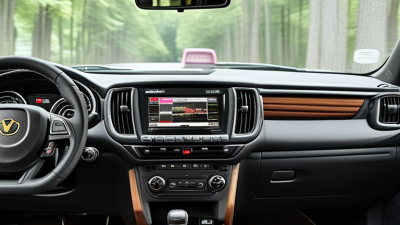
China’s car audio industry serves global buyers with a broad mix of manufacturing, engineering, and export support. Many suppliers offer OEM or ODM production, from speakers and amplifiers to complete infotainment systems. Buyers can discuss target markets, vehicle models, sound preferences, and order volumes directly with factory teams. A useful supplier should explain its testing process, component choices, and production limits in clear terms. Ask how acoustic tuning is checked inside a vehicle, not only in a laboratory. Small cabin details matter.

Export support can include samples, packaging adjustments, technical documents, and coordination around shipping schedules. Some manufacturers can adapt connectors, speaker dimensions, or user interfaces for specific vehicle platforms. Still, a polished presentation is not proof of consistent quality. Request sample units, review test records, and compare specifications against your project requirements. Listen at low and high volume, and check for vibration around door panels. Even careful testing can miss problems that appear after installation. That part deserves more attention than it often gets.

Tips: Share vehicle details and expected volumes early. Confirm sample approval, quality checks, lead times, and after-sales responsibilities in writing. Leave room for revisions; the first fit may not be perfect.

Profiles of 10 Chinese Car Audio Manufacturers

Profiles of 10 Chinese Car Audio Manufacturers

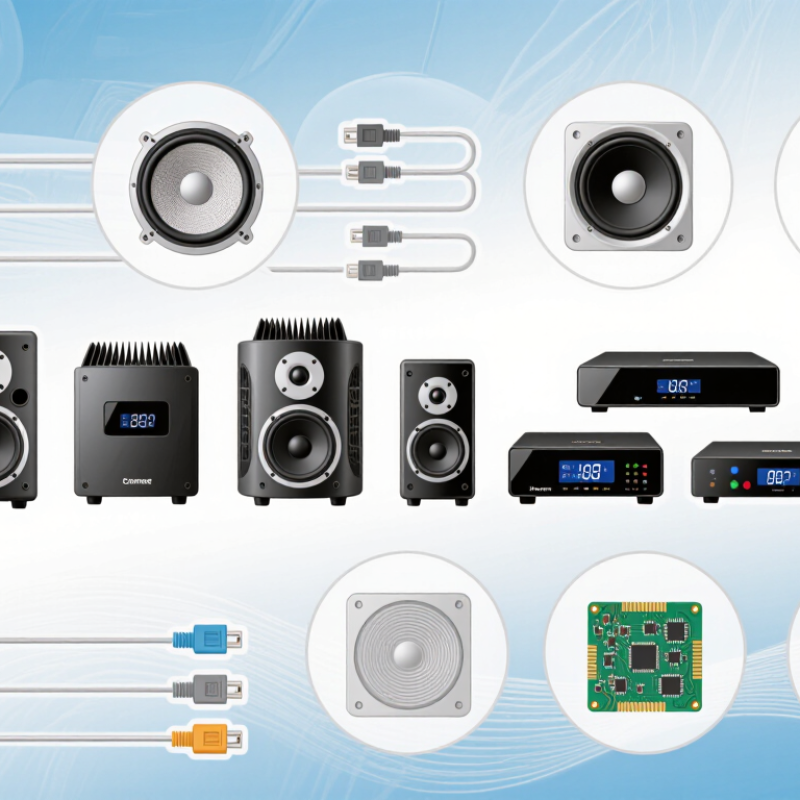
These ten profiles highlight different capabilities found among Chinese car audio manufacturers. Some focus on head units, with clear menus and vehicle-specific fittings. Others build speakers, amplifiers, or compact subwoofers for limited cabin space. Several offer digital sound processors, where tuning options matter as much as output power. A few concentrate on factory-system integration, wiring harnesses, or installation kits. Full-system suppliers may coordinate several components under one production program. Export-oriented manufacturers often provide OEM or ODM services, but the scope varies. Ask for written specifications. A polished catalog is not proof of consistent production quality.

When comparing suppliers, request sample units and check connector fit, finish, and operating stability. Review frequency response, power ratings, supported vehicle models, and testing records. Confirm whether specifications describe peak or continuous output. Production capacity and customization timelines should be verified directly, since claims can be difficult to compare. The profiles are a starting point, not a ranking. Small details matter. I would also note that supplier information may change, and a sample can perform differently from a later production batch.

Tips: Send the same vehicle details and technical questions to each supplier. Ask how changes are documented and how defects are handled. Keep the replies for comparison. A simple checklist helps, though it will not replace independent testing.

Top 10 Car Audio Manufacturers in China for Global Buyers — Anonymous Buyer-Screening Profiles

These entries are product-focused supplier archetypes, not verified records of ten specific companies. Confirm each supplier’s actual capabilities, certifications, and specifications during due diligence.

Profile Typical Product Focus Potential Buyer Fit Key Items to Confirm Useful Evidence to Request
Supplier Profile 01 Car speakers and component speaker sets Importers and distributors sourcing replacement or upgrade speakers Driver sizes, impedance, sensitivity, frequency response, and mounting dimensions Dated datasheets, measurement conditions, samples, and production inspection records
Supplier Profile 02 Subwoofers and bass enclosures Retailers and installers offering bass upgrade packages Driver diameter, rated power method, enclosure dimensions, and vehicle fitment Test reports, enclosure drawings, sample evaluation, and packaging specifications
Supplier Profile 03 Automotive power amplifiers Buyers building multi-channel or subwoofer amplification lines Channel count, output rating conditions, input options, protection, and thermal behavior Electrical test results, operating-temperature data, user manual, and warranty terms
Supplier Profile 04 Digital signal processors and DSP amplifiers Installers and specialty distributors needing tuning features Input/output configuration, adjustment controls, software support, and firmware updates Software demonstration, compatibility details, manuals, and after-sales support process
Supplier Profile 05 Multimedia receivers and in-dash head units Aftermarket retailers and vehicle-specific electronics distributors Vehicle compatibility, supported interfaces, regional radio bands, and language options Compatibility list, interface documentation, sample testing, and applicable compliance records
Supplier Profile 06 Vehicle-specific audio integration modules and harnesses Installers seeking model-specific connections or retention of factory functions Supported vehicle years and trims, connector details, and retained-function limits Fitment matrix, wiring diagrams, installation instructions, and tested vehicle list
Supplier Profile 07 Microphones and hands-free audio accessories Audio accessory brands and distributors of in-car communication products Connector type, sensitivity, noise performance, mounting, and host-device compatibility Product specifications, compatibility test results, samples, and packaging details
Supplier Profile 08 Coaxial speakers and entry-level speaker kits Volume-focused importers and general automotive accessory retailers Size options, impedance, sensitivity, materials, and consistency between batches Pre-production samples, approved specifications, inspection criteria, and carton test details
Supplier Profile 09 OEM/ODM audio assemblies and customized product programs Global buyers developing private-label or vehicle-program products Engineering scope, tooling ownership, change control, minimum order quantities, and lead times Development plan, quality procedures, sample approval records, and written tooling terms
Supplier Profile 10 Complete aftermarket audio upgrade packages Distributors seeking coordinated speaker, amplifier, and accessory assortments System matching, included components, installation requirements, and regional compliance Full bill of materials, system wiring plan, representative samples, and shipment inspection records

Buyer note: Product categories and verification points above are general sourcing guidance, not claims about any particular manufacturer. Check applicable destination-market requirements and verify all supplier documents independently.

Products, Technologies, and Export Capabilities Compared

China’s car audio manufacturers differ in product range, engineering depth, and export readiness. Some focus on speakers and amplifiers, while others supply complete systems, head units, and installation accessories. Buyers should compare power ratings with test conditions, not just headline figures. A speaker’s frame, cone material, and impedance affect fit and sound in a real vehicle. Details matter.

Digital signal processing, noise control, and vehicle-specific tuning can improve performance, but feature lists need proof. Ask for sample measurements, wiring diagrams, and compatibility data. A factory’s ability to adapt connectors or dashboard interfaces may matter more than a long catalogue. Yet product sheets rarely show how consistently each unit performs across production batches. I would not assume that one sample represents every shipment.

Export capability is also practical, not just a shipping promise. Check packaging strength, product labeling, manuals, lead-time estimates, and the supplier’s process for handling defects. Request relevant quality records and confirm who supports technical questions after delivery. Compare minimum order quantities and the cost of customized packaging, too. A polished quotation can still leave gaps. Buyers should verify details directly and keep agreed specifications in writing before approving production.

Top 10 Car Audio Manufacturers in China for Global Buyers — Products, Technologies, and Export Capabilities Compared

Typical frequency coverage of common car audio product categories

Frequency ranges are approximate examples, not manufacturer-specific specifications. Actual coverage varies by product, crossover settings, installation, and vehicle acoustics.

How Global Buyers Can Evaluate Potential Suppliers

Choosing a car-audio manufacturer involves more than comparing unit prices. Ask how the supplier controls sound quality, component consistency, and production changes. Request a sample from a normal production run, not only a specially prepared sales sample. Test it in a vehicle similar to your target model. Listen for distortion at higher volume, loose trim, and uneven speaker response. Small faults matter.

Tips: Request recent test records and a written quality-control checklist. Confirm who handles warranty claims and how replacement parts are shipped. Check packaging details, too; a damaged carton can turn a good product into a costly problem.

Then verify the supplier’s capacity with specific questions. How many units can it produce monthly? Which steps happen in-house, and which are subcontracted? A factory visit or independent inspection can help confirm the answers. Review drawings, sample revisions, and delivery schedules before approving an order. Clear records make disagreements easier to resolve. Communication is evidence, but it is not proof. I would also ask for a small pilot order; it may reveal issues that a showroom visit misses. Even careful checks cannot remove every risk, so leave room for honest uncertainty.