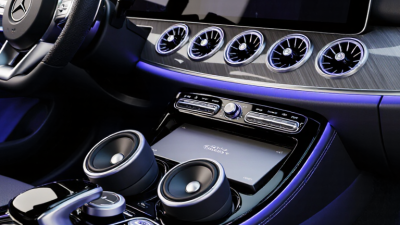
Car audio equipment includes the components that play, amplify, and shape sound inside a vehicle. A basic setup may use the factory stereo and door speakers. More advanced systems can add an aftermarket receiver, an amplifier, a subwoofer, or digital sound-processing equipment. Each part has a different job. The receiver provides control and audio sources, speakers reproduce voices and instruments, and an amplifier supplies extra power when the system needs it. A subwoofer handles deep bass. Small details matter.
Choosing equipment depends on more than sound preference. Vehicle fit, available space, wiring, power compatibility, and listening habits all affect the result. A larger speaker is not automatically better; its fit and power handling must suit the system. A compact subwoofer may fit beneath a seat, while a separate amplifier may need room in the trunk. These practical limits are easy to overlook. Specifications can help, but they do not tell the whole story about how a system will sound in a particular cabin.
This guide explains the main types of car audio equipment and what each one contributes. It also outlines how components work together, so readers can compare options without assuming that the most expensive setup is the right one. Installation quality matters, too. Poor connections or unsuitable settings can undermine otherwise capable equipment. There is no single ideal system for every driver, and that is worth remembering before making a purchase.
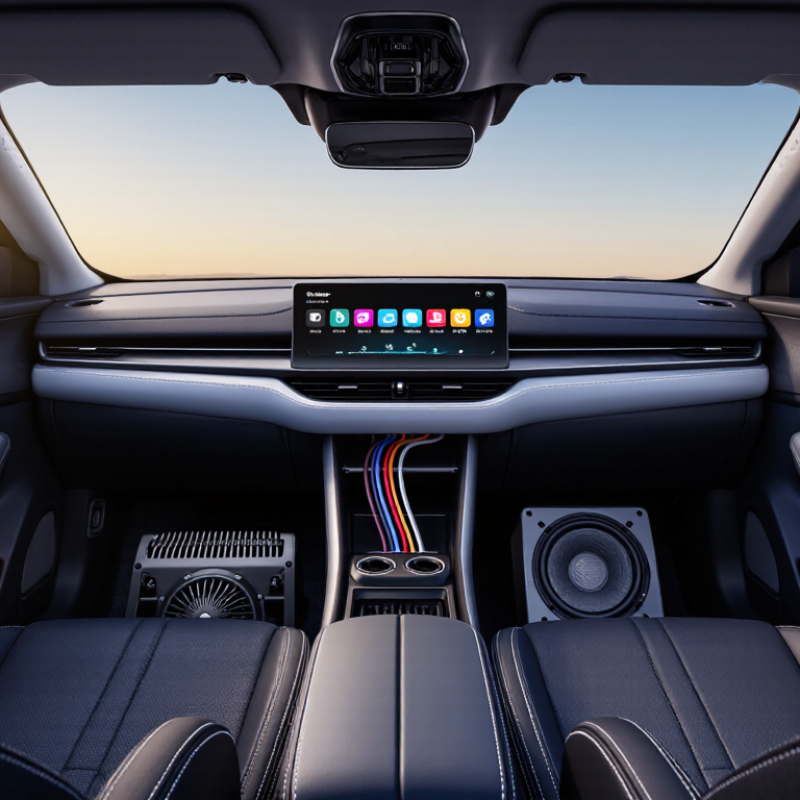
Car audio equipment is the collection of components that plays and shapes sound inside a vehicle. Its purpose is more than making music louder. It helps listeners hear clear vocals, steady radio, or navigation prompts over road and engine noise. A head unit selects and controls audio sources. An amplifier strengthens the signal, while speakers turn it into sound. Subwoofers handle low bass; equalizers adjust tonal balance. That matters. Not every car needs every component.
The right setup depends on the cabin, listening habits, and existing equipment. A small speaker may sound thin when pushed too hard, while excessive bass can mask voices. Grand View Research’s 2024 Automotive Audio Market analysis estimated the global market at about $9.3 billion in 2023 and forecast a 7.1% compound annual growth rate from 2024 to 2030. This is a market estimate, not a measure of sound quality. A market total cannot tell you whether a system will sound balanced in a particular cabin. For a practical check, listen at a normal volume and notice whether speech stays clear when the road gets noisy. Small details count.
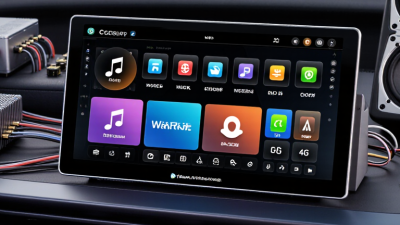
A car audio system is a chain of components, not just a set of speakers. The head unit manages playback, volume, and connections to phones or built-in media sources. It sends an audio signal to an amplifier, which increases that signal’s power before it reaches the speakers. Small parts matter. Wiring, connectors, and grounding can affect reliability and introduce unwanted noise when poorly matched or installed. Speakers turn electrical signals into sound; a subwoofer handles low frequencies that smaller door speakers may struggle to reproduce. Their placement matters, too. A speaker aimed toward a footwell can sound different from one positioned near ear level.
A digital signal processor can adjust timing and frequency levels to suit the cabin, where glass, seats, and hard surfaces reflect sound unevenly. These adjustments help, but cannot fix every poor speaker placement or loose connection. Grand View Research’s 2024 automotive audio market report estimated the global market at about $9.4 billion in 2023, reflecting substantial demand for these components. Market size does not indicate sound quality in any individual vehicle. In practical system planning, compatibility is more useful: check the head unit’s outputs, amplifier power, and speaker impedance before combining components. There is no perfect setup. A powerful subwoofer may add deep bass, yet make ordinary listening tiring if its level is not balanced.
Car audio equipment includes several components that shape how music is played and heard inside a vehicle. The head unit selects sources, adjusts volume, and often controls navigation or phone connections. Speakers turn electrical signals into sound, with smaller tweeters handling high notes and larger drivers producing voices and lower tones.
Fit matters.
Door depth and mounting points can limit which speakers work without modifications. An amplifier supplies extra power when factory output sounds weak or distorts at higher volume. A subwoofer adds deep bass, but a larger one is not automatically better; cabin size and available space matter.
Sound-deadening material can reduce road and panel noise, helping music sound clearer at ordinary listening levels. Wiring, fuses, and mounting hardware are less visible, yet they support reliable operation and safe installation. I have seen people focus on dramatic bass and overlook balanced sound; that choice can make long drives tiring.
Think about listening habits, vehicle space, and compatibility before choosing equipment.
Sometimes, simpler works best.
Car audio works as a system, not a pile of separate parts. The head unit selects a source and sends an audio signal through the system. An amplifier strengthens that signal so speakers can play it clearly at useful volume. Speakers turn electrical signals into sound; a subwoofer handles the deepest notes. That matters. If a speaker receives more power than it can handle, distortion or damage may follow. A weak connection can also cause noise or cutouts.
Crossovers direct different frequency ranges to suitable speakers. This helps small speakers avoid deep bass they cannot reproduce well. Placement matters, too: a tweeter near ear level may make voices sound more present, while a subwoofer tucked in the trunk can produce bass that feels stronger in some seats than others. Wiring, speaker sensitivity, and amplifier settings all affect the result. More equipment does not automatically mean better sound. I have found that small adjustments can help, though judging sound from one seat alone is not always enough.
Tips: Set amplifier gain carefully; it is not a volume control. Begin with moderate levels, then listen for harshness or rattling. Check balance from the driver’s seat and another seat. If a sound seems muddy, adjust one setting at a time and listen again. A little trial and error is normal.
Car audio equipment includes the components that play, amplify, and shape sound inside a vehicle. A head unit manages audio sources and basic controls; some also provide navigation or phone connectivity. Speakers convert electrical signals into sound, but their size, placement, and sensitivity affect clarity. A door speaker may handle vocals well yet struggle with deep bass. Small details matter.
An amplifier supplies extra power to speakers or a subwoofer. It can improve clean output, but adding one does not automatically make a system sound better. A subwoofer focuses on low frequencies, while a digital sound processor adjusts timing and tone across the cabin. These options solve different problems, so comparing power ratings alone can be misleading. Fit matters, too: a large speaker may not suit a shallow door space, and poor tuning can make bass feel uneven from one seat to another. In practice, the cabin’s hard surfaces and road noise complicate neat specifications. Even a careful equipment match can need adjustment after installation.
| Equipment Type | Main Purpose | Typical Location | What It Changes | Key Differences and Considerations |
|---|---|---|---|---|
| Head Unit (Receiver) | Controls audio sources, playback, volume, and often system settings. | Dashboard | Provides the user interface and sends audio signals to speakers or amplifiers. | Features vary by model, such as radio reception, Bluetooth, USB playback, smartphone connectivity, and preamp outputs. Vehicle fit and wiring compatibility matter. |
| Speakers | Convert electrical audio signals into sound. | Factory speaker openings in doors, dashboards, or rear panels | Affect vocal clarity, detail, stereo image, and the sound across different frequencies. | Coaxial speakers combine multiple drivers in one assembly; component systems separate drivers, often allowing more flexible placement. Correct size, mounting depth, and power handling are important. |
| Amplifier | Raises the power of an audio signal to drive speakers or subwoofers. | Under a seat, behind trim, or in the trunk | Can provide more clean output than a low-powered source alone when properly matched to the speakers. | Channel count determines how many speaker channels it can power. Output power, speaker impedance, ventilation, wiring, and gain setup should be considered together. |
| Subwoofer | Reproduces low-frequency bass. | Usually in an enclosure in the trunk or cargo area | Adds deeper bass that small full-range speakers may not reproduce as strongly. | Requires suitable enclosure volume and usually an amplifier. Enclosure design affects bass response, while placement and available vehicle space influence the installation. |
| Digital Signal Processor (DSP) | Adjusts and routes audio signals before they reach amplifiers and speakers. | Installed behind the dashboard, under a seat, or near amplifiers | Can provide equalization, crossover settings, time alignment, and level control for individual channels. | It refines system tuning rather than generating speaker power by itself. Setup requires suitable inputs and outputs, and careful measurement or listening adjustments. |
| Wiring and Installation Components | Connect and support the system’s power, signal, and speaker paths. | Routed through the vehicle between the battery, dashboard, and audio components | Help deliver power and signals reliably and secure equipment in place. | Wire gauge should suit current demand and cable length. Fuses protect power wiring; connectors, adapters, and secure mounting should be appropriate for the vehicle. |
Note: Car audio equipment can be upgraded individually or as a coordinated system. Compatibility, installation quality, vehicle acoustics, and tuning all affect the final sound.