Why Are Auto Speakers Important for Your Car?
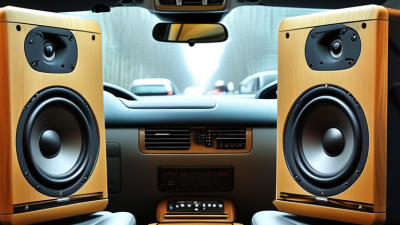
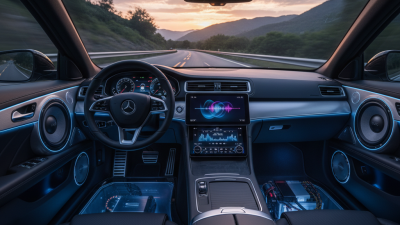
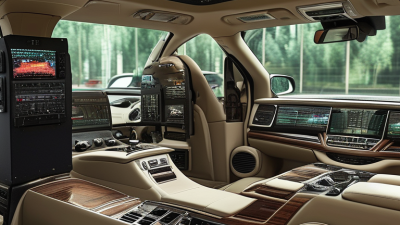
A drive can feel completely different when the sound is clear. The bass stays controlled, voices remain easy to understand, and road noise does not swallow every detail. That is why auto speakers matter beyond entertainment. They shape how drivers hear navigation prompts, podcasts, calls, and music during everyday trips.
Speaker researcher Dr. Sean Olive has studied how listeners judge loudspeakers. A fair paraphrase of his research is: “Accurate, balanced sound matters more than sheer volume.” That distinction is useful in a car. A speaker that plays loudly may still make vocals harsh or leave music sounding thin. Good results depend on the speaker, the vehicle’s acoustics, installation, and system tuning working together.
Small details count. A door panel can vibrate against a bass note. A tweeter aimed poorly may make cymbals sound sharp. Even a well-made speaker can disappoint when fitted carelessly. Not every driver needs an expensive upgrade. Some factory systems are perfectly adequate, and changing speakers alone may not fix weak bass or uneven sound.
The right choice starts with listening to familiar tracks at a safe volume. Notice whether voices sound natural and whether details remain clear across different seats. Then check speaker size, fit, sensitivity, and compatibility with the existing audio system. There is no universal best setup. Your ears, budget, and vehicle should guide the decision. A little honest comparison helps.
What Auto Speakers Are and How They Work
Auto speakers turn an electrical audio signal into moving air. An amplifier sends changing current through a voice coil, which sits inside a magnetic field. The coil moves back and forth, carrying a cone with it. That cone pushes air in tiny waves. Your ears interpret those waves as music, speech, or a navigation prompt. It sounds simple. It isn’t quite.
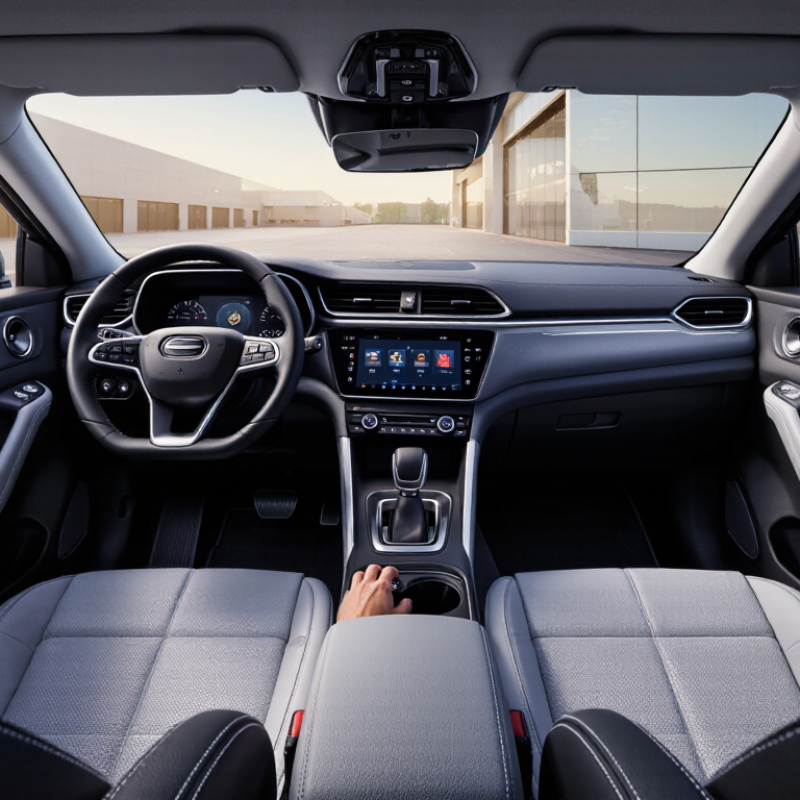
Different speaker sizes handle different parts of the sound. A small tweeter reproduces high notes, while a larger woofer moves more air for bass. In a car door, the speaker shares space with glass, wiring, and a metal panel, so placement and vibration affect what you hear. The cone may sound clear at low volume, then distort when pushed too hard. That is one reason speaker quality depends on the whole system, not just the driver.
Listening level matters, too. The WHO-ITU safe listening standard recommends no more than 80 decibels for up to 40 hours a week for adults. The standard is designed for personal audio devices, not specifically car cabins, but it offers a useful reference. Road noise can tempt drivers to turn the volume up. A clear, balanced setup can make voices easier to understand without demanding maximum volume. Still, “balanced” is personal; even careful listening can be tiring on a long drive.
How Speakers Affect In-Car Sound Quality
Why Are Auto Speakers Important for Your Car?
How Speakers Affect In-Car Sound Quality
Auto speakers shape nearly every sound you hear inside a vehicle. A weak speaker may produce thin vocals, muddy bass, or harsh treble at higher volume. During test drives, I have noticed that clear speech often reveals speaker quality faster than heavy bass. Good speakers separate instruments, so a guitar does not disappear behind the drums. Their frequency range, sensitivity, and power handling all influence this balance. However, specifications alone cannot predict the final result. The cabin’s size, dashboard shape, and listening position also matter.
Installation is equally important. A loose speaker can vibrate against a door panel, creating unwanted buzzing. Sealed mounting surfaces usually improve bass control. Door insulation may reduce rattles and outside noise, but excessive material can complicate repairs. I once focused too much on powerful bass and overlooked vocal clarity. That choice sounded exciting briefly, then became tiring during longer drives. Speaker placement can also create uneven volume between the driver and passengers.
Tips: Match the speaker’s power needs with the vehicle’s audio system. Check the mounting depth before buying. Listen at moderate volume, not only at maximum volume. Use familiar recordings with vocals, acoustic instruments, and steady bass. If the sound feels sharp, adjust the equalizer carefully instead of increasing volume. Professional installation can help, though even experts may need a few adjustments after hearing the system on real roads.
The Role of Speakers in Navigation and Hands-Free Communication
Why Are Auto Speakers Important for Your Car?
The Role of Speakers in Navigation and Hands-Free Communication
Car speakers do more than play music. They make navigation prompts and hands-free calls easier to hear over road noise. A clear voice can help you notice a turn before reaching a busy intersection. That matters when traffic is moving quickly. Small details count.
Good speech clarity depends on more than volume. Road surfaces, open windows, and cabin noise can mask spoken directions. Speakers that reproduce voices clearly may make prompts easier to understand without turning the system excessively loud. During a call, balanced sound can also help separate a caller’s words from engine noise. The microphone and vehicle system matter too, so speakers alone cannot guarantee a clear conversation.
Placement affects what you hear. A prompt coming from near the dashboard may feel easier to follow than sound that seems distant or muffled. Yet louder is not always better; high volume can become tiring and distract from driving. I’ve noticed that even a slight rattle can make speech feel less clear. It is easy to blame the speakers, though loose trim or poor settings may also be responsible. A careful test with a familiar route and a short call can reveal what needs attention.
Factors That Influence Speaker Performance and Lifespan
Car speakers turn electrical signals into the voices, bass, and road-trip playlists you hear inside the cabin. Their performance depends on more than speaker size. A small speaker can sound clear when it is well matched to the car’s audio system. Poor installation, however, may cause rattles or uneven sound. Fit matters.
Power is another key factor. An amplifier pushed too hard can send distorted signals to a speaker, while an unsuitable setup may leave music sounding weak. Keep the volume below the point where vocals become harsh or bass starts to crackle. That warning is easy to ignore on a noisy highway.
Heat, moisture, dust, and vibration also affect lifespan. A door speaker may face damp air after rain, and loose mounting screws can buzz over rough pavement. Check the speaker surrounds and wiring occasionally, especially if sound changes suddenly. Cabin conditions vary, so there is no dependable lifespan that applies to every car. Even careful owners may find that one speaker wears out earlier than another. That is worth remembering: louder is not always better, and a little distortion can be a sign to turn things down.