How to Upgrade Your Car Audio Sound System for the Best Listening Experience
Upgrading your car audio sound system is not just about replacing old components; it’s about transforming your driving experience into something extraordinary. With the right enhancements, your vehicle can become a personal concert hall, allowing you to enjoy every note and beat with clarity and depth. According to renowned audio engineer Jim Smith, "A great car audio sound system can turn a mundane commute into a sonic paradise." This statement underscores the profound impact that quality audio can have on our day-to-day lives.
As technology continues to evolve, so do the options available for upgrading your car audio sound system. From advanced head units to high-fidelity speakers, there is a wide range of products designed to cater to audiophiles and casual listeners alike. It’s crucial to understand the various components that contribute to the overall sound quality and how they interact within the system. Careful consideration of these elements can substantially enhance your listening experience, making each journey not just a trip, but a pleasurable auditory adventure.
In this guide, we will explore effective strategies to upgrade your car audio sound system, ensuring you achieve the best listening experience possible. Whether you're a music enthusiast looking for unparalleled sound quality or just someone who enjoys a good tune on the road, the right upgrades can make all the difference. Let's dive into the world of car audio sound systems and discover how to elevate your audio setup to new heights.

Understanding Your Current Car Audio System Components
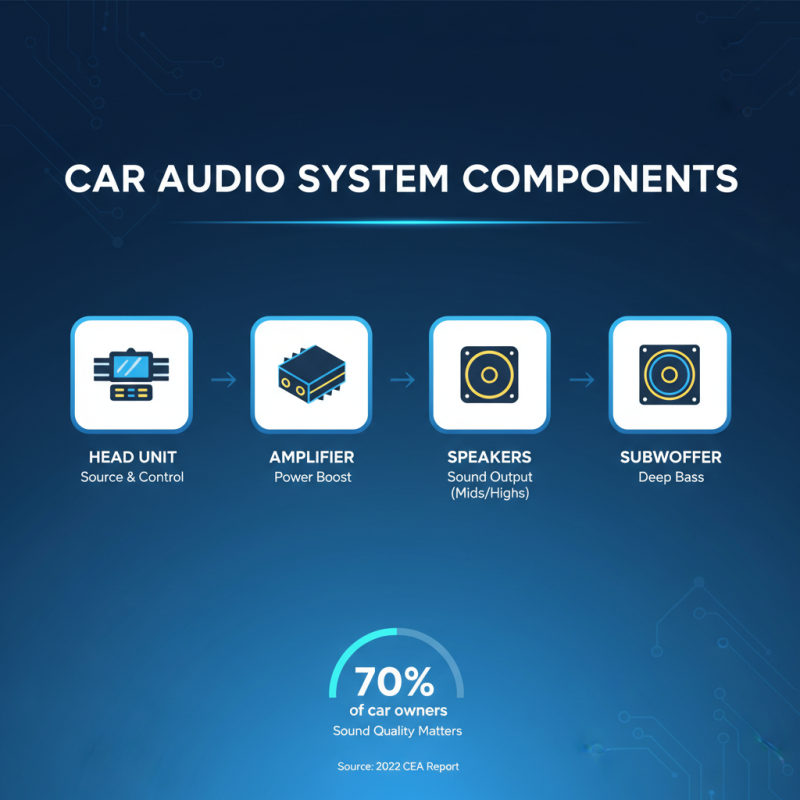
Understanding your current car audio system components is crucial for achieving the best listening experience when upgrading. A typical car audio system consists of several key components: the head unit, amplifiers, speakers, and subwoofers. According to a 2022 Consumer Electronics Association report, about 70% of car owners noted that sound quality significantly influences their satisfaction with their vehicles. Therefore, understanding how each component functions will help you select the right upgrades.
The head unit, or stereo, is the centerpiece of your car audio system. It controls all media sources and manages signal processing. Modern units often come equipped with features such as Bluetooth connectivity and customizable equalization settings, enhancing audio quality and user experience. Furthermore, the report also indicated that upgrading to a high-quality amplifier can improve sound clarity and dynamic range by up to 50%, allowing for a more immersive listening session.
Speakers and subwoofers are equally important as they directly affect sound output. Research from the International Audio Engineering Society found that upgrading to high-efficiency speakers can result in a clearer soundstage and improved bass response. In fact, handling frequencies more efficiently makes a noticeable difference in overall audio performance. By understanding these components and selecting the right upgrades, car owners can significantly elevate their audio experience while driving.
Identifying Your Listening Preferences and Sound Goals
When upgrading your car audio sound system, identifying your listening preferences and sound goals is essential to ensure the best listening experience. Different users prioritize various aspects of sound quality, ranging from bass intensity to clarity of high frequencies. According to a report by the Consumer Technology Association, 67% of car audio enthusiasts classify themselves as "bass lovers," while 45% prefer a balanced sound profile that emphasizes clarity across all frequencies. This differentiation is critical as it will influence the selection of components, from speakers to amplifiers.
Furthermore, understanding your sound goals can guide your investment decisions. A study by the International Federation of the Phonographic Industry (IFPI) highlighted that listeners favor high-resolution sound formats, often preferring lossless audio for a more immersive experience. Achieving this typically requires upgrading to components that support higher bit rates and superior signal processing. For those who prioritize sound customization, options such as equalizers and signal processors allow for personal adjustments to match individual tastes, creating a unique sonic signature suited to personal preferences. By aligning your upgrades with both your listening habits and sound aspirations, you can significantly enhance your car audio experience.
Selecting the Right Upgrades: Speakers, Amplifiers, and Head Units
When upgrading your car audio sound system, selecting the right components is crucial for enhancing the overall listening experience. Start with the speakers, as they play a pivotal role in sound quality. Consider the size and type of speakers that will fit in your vehicle. Component speakers generally provide superior sound clarity and detail compared to coaxial ones, but they may require more installation effort. If you’re looking for a balance between ease of installation and good audio quality, coaxial speakers can complement most factory systems well.
Next, amplifiers are essential for driving your upgraded speakers. An amplifier increases the power output to your speakers, resulting in clearer sound and greater volume without distortion. When choosing an amplifier, look for one that matches the power requirements of your speakers, taking into account their RMS (Root Mean Square) and peak power ratings. A multi-channel amplifier can help power multiple speakers, ensuring an even distribution of sound throughout your vehicle.
Finally, the head unit sets the foundation for your entire audio system. It controls the source of audio and often integrates additional features like Bluetooth connectivity and smartphone compatibility. Opt for a head unit that supports high-resolution audio formats and provides customizable sound settings, such as equalizers and crossovers, to tailor the sound to your preferences. By carefully selecting the right speakers, amplifiers, and head unit, you can achieve an exceptional audio experience that elevates your driving enjoyment.
Upgrade Your Car Audio Sound System: Key Components Impacting Sound Quality
DIY Installation vs. Professional Help: Weighing Your Options
When considering an upgrade to your car audio sound system, one of the first decisions you need to make is whether to go for a DIY installation or to seek professional help. DIY installations can be appealing due to cost savings and the satisfaction of personal handiwork. According to a study by the Consumer Electronics Association, about 30% of car audio enthusiasts choose to install their systems themselves, often citing flexibility and control over the installation process as key benefits. However, it’s essential to note that effective installation requires knowledge of both the equipment and the car's electrical systems, making it a challenging endeavor for those without prior experience.
On the other hand, professional installation offers expertise and efficiency. Reports indicate that professional installations can significantly enhance the performance of an audio system, as certified technicians can optimize wiring, placement, and tuning to maximize sound quality. Additionally, a survey conducted by a renowned automotive sound industry firm found that systems installed by professionals experience 25% less failure over time due to improper wiring or component mismatch compared to DIY setups. This difference in reliability can be crucial for ensuring longevity and performance, particularly for high-end audio systems. Ultimately, your choice should reflect your confidence in your technical skills and your priorities regarding sound quality and system longevity.
Testing and Fine-Tuning Your New Audio Setup for Optimal Sound
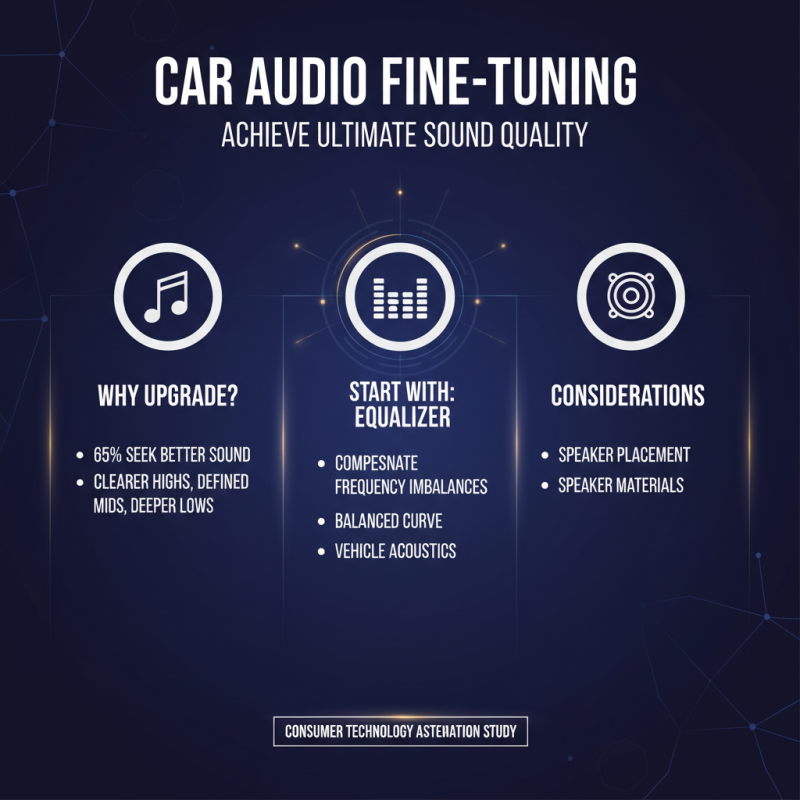
Fine-tuning your car audio system is crucial for achieving the best listening experience. According to a study by the Consumer Technology Association, sound quality is the primary reason consumers upgrade their audio systems, with 65% stating they seek clearer highs, more defined mids, and deeper lows. To begin the fine-tuning process, start with the equalizer settings. A well-adjusted equalizer can significantly enhance sound quality by compensating for frequency imbalances. Aim for a balanced curve that complements your vehicle’s acoustics while accounting for speaker placement and materials.
After setting your equalizer, it's essential to conduct real-world listening tests. Research from the Audio Engineering Society indicates that subjective listening tests should involve various genres of music, as different styles can highlight specific strengths and weaknesses in your system. Utilize tracks with dynamic range and intricate instrumentation to assess clarity and separation. Pay attention to elements such as soundstage and imaging; repositioning speakers can yield noticeable improvements. Additionally, consider using sound-deadening materials to minimize unwanted road noise and vibrations, further refining your audio experience. These steps will help ensure that your upgraded sound system delivers optimal performance tailored to your preferences.