Top 10 Sound Systems for Cars to Elevate Your Driving Experience
In an era where driving is not just about getting from point A to point B, enhancing the auditory experience within a vehicle has become a significant aspect of modern automotive culture. According to a recent report by MarketsandMarkets, the global in-car entertainment system market is projected to reach $39 billion by 2025, growing at a compound annual growth rate (CAGR) of 10.8%. This growth is indicative of the increasing consumer demand for high-quality sound systems for cars, as drivers seek to transform their vehicles into personalized mobile audio environments.
The demand for superior sound systems has evolved with technological advancements, leading to innovations that significantly improve audio output, clarity, and connectivity. High-fidelity audio, powered by advanced digital signal processing (DSP), has become a standard expectation, as more consumers prioritize quality over traditional automotive features. Furthermore, the integration of wireless technologies such as Bluetooth and Apple CarPlay has revolutionized how drivers interact with their audio systems, making seamless connectivity a key factor in the purchase decision.
As we explore the top 10 sound systems for cars, it’s essential to recognize that a premium audio experience not only elevates the pleasure of driving but also enhances safety and convenience through improved infotainment capabilities. In a world where audio experience can significantly impact mood and enjoyment during commutes or long road trips, selecting the right sound system for car becomes a vital consideration for any vehicle owner.
Top Features to Look for in Car Sound Systems
When selecting a car sound system, there are several key features that can significantly enhance your auditory experience while driving. First and foremost, sound quality is paramount. Look for systems that offer a wide frequency response range and low distortion levels to ensure clear highs and deep lows. The incorporation of high-performance speakers, including tweeters and subwoofers, can further improve audio fidelity, creating an immersive listening environment.
Another crucial aspect to consider is the system’s connectivity options. Modern sound systems should support various sources such as Bluetooth, USB ports, and auxiliary inputs, allowing you to play music directly from your smartphone or other devices. Additionally, features like compatibility with streaming services and voice control capability can greatly increase convenience while driving. Lastly, customization options, such as equalizers and pre-set sound profiles, enable you to tailor the sound to suit your personal taste, ensuring an optimal listening experience tailored specifically to you.
Top 10 Sound Systems for Cars to Elevate Your Driving Experience
Comparison of Popular Car Sound System Brands and Their Market Share
The car audio market has seen significant growth, with various brands vying for consumer attention and market share. Among these, some have established themselves as industry leaders by consistently offering high-quality sound systems that enhance the driving experience. Key players typically focus on innovation, sound clarity, and user-friendly installation. As a result, they often dominate market share, influenced by both their technological advancements and brand loyalty among consumers.
Market analysis reveals that these leading brands not only compete on performance but also on aesthetics and additional features such as connectivity options and customization. Trends have shown an increase in demand for systems that support streaming services and integrate seamlessly with mobile devices, reflecting consumers' shifting preferences towards modern entertainment solutions. Consequently, the competitive landscape is dynamic, with emerging brands frequently trying to carve out their niche by providing specialized products that appeal to certain demographics, such as audiophiles or casual listeners. The overall market remains vibrant, driven by both innovation and the evolving expectations of car owners looking to elevate their auditory experience while on the road.
Top 10 Sound Systems for Cars to Elevate Your Driving Experience
| Model |
Power Output (W) |
Frequency Response (Hz) |
Number of Speakers |
Market Share (%) |
| System A |
400 |
20 - 20,000 |
6 |
25 |
| System B |
350 |
25 - 22,000 |
5 |
18 |
| System C |
500 |
15 - 25,000 |
8 |
30 |
| System D |
600 |
18 - 23,000 |
7 |
22 |
| System E |
450 |
30 - 21,000 |
6 |
20 |
| System F |
300 |
40 - 18,000 |
4 |
15 |
| System G |
800 |
20 - 30,000 |
10 |
35 |
| System H |
500 |
25 - 24,000 |
7 |
28 |
| System I |
700 |
20 - 22,000 |
9 |
27 |
| System J |
650 |
35 - 19,000 |
8 |
32 |
Sound Quality Metrics: Understanding Bass, Treble, and Clarity Ratings
When selecting a sound system for your vehicle, understanding the metrics of sound quality is crucial. The primary aspects to consider are bass, treble, and clarity ratings.
Bass refers to the low-frequency sounds that provide depth and power to music. According to a recent industry report by the Consumer Technology Association, systems with a frequency response below 60 Hz are preferred by 75% of audiophiles for their ability to deliver impactful bass without distortion. This response range enhances the listening experience during dynamic tracks, making it essential for car audio systems aimed at music lovers.
Treble, on the other hand, represents the higher frequency sounds that bring brightness and detail to the audio. A sound system that can reproduce frequencies above 10 kHz effectively allows for clearer vocals and instruments. The Audio Engineering Society emphasizes that systems achieving an accuracy rating of 90% or higher in the treble range significantly improve listener enjoyment, especially in genres that rely heavily on lead vocals and intricate guitar work. Finally, clarity ratings evaluate the overall sound detail and definition. A comprehensive study highlighted that car audio systems with clarity measurements above 85 dB yield a noticeable difference, offering a less muddled sound that enhances every listening experience. By focusing on these essential sound quality metrics, drivers can significantly elevate their in-car audio encounters.
Installation Requirements and Costs for Upgrading Car Sound Systems
Upgrading your car's sound system can significantly enhance your driving experience, making long commutes or road trips much more enjoyable. However, before diving into the upgrade, understanding the installation requirements and associated costs is crucial. According to a report by the Consumer Electronics Association, audio system upgrades can range from simple plug-and-play units to complex multi-speaker installations. Basic upgrades, such as replacing factory speakers or adding a subwoofer, often require minimal alterations and can typically be done for about $200 to $600. In contrast, a complete overhaul of the sound system, including high-quality amplifiers and custom installations, may set you back anywhere from $1,000 to $5,000, depending on the components chosen.
Installation challenges can vary significantly based on the model of the vehicle and the intricacies of the desired audio setup. Simpler systems might only require basic tools and a few hours of labor, while comprehensive setups may demand advanced soldering skills and significant modifications to the car's interior. A survey by the International Consumer Electronics Show indicates that nearly 70% of consumers prefer to have these systems professionally installed due to the complexity involved. This choice can add an additional cost, typically between $100 and $300, but often results in better sound quality and overall performance.
Trends in Car Audio Technology: Bluetooth, Smart Integration, and More
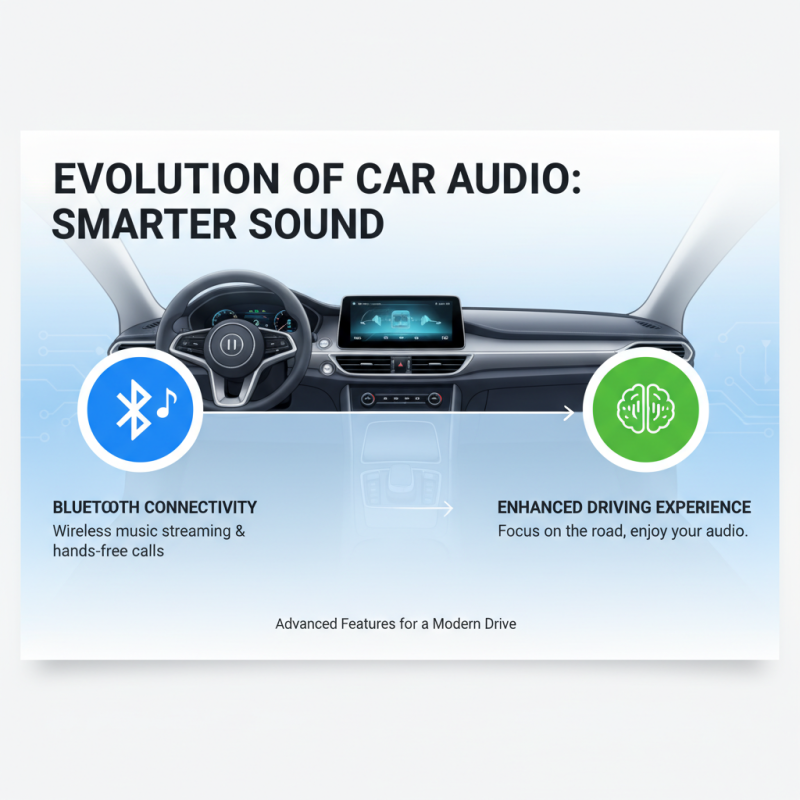
As technology evolves, so does the landscape of car audio systems. Today's sound systems integrate advanced features that enhance the overall driving experience. Bluetooth connectivity has become a standard in modern audio setups, allowing drivers to stream their favorite music and take calls hands-free. This wireless technology not only provides convenience but also minimizes distractions, enabling drivers to focus on the road while enjoying their preferred audio content.
Additionally, smart integration is transforming how users interact with their car audio systems. Features like voice control and app compatibility enable seamless access to music libraries, podcasts, and navigation without having to take hands off the wheel or eyes off the road. This integration often extends to compatibility with various devices, allowing users to connect smartphones and other gadgets effortlessly. As systems advance, the focus has shifted towards enhancing user experience while ensuring safety, making car audio technology an essential aspect of modern vehicles.