Top 10 Electric Mini Vans From China for Global Buyers?
The rise of electric vehicles has sparked significant interest globally, especially in the realm of Electric Mini Vans. These compact vehicles offer both functionality and eco-friendliness, making them ideal for urban commuting and family outings. China's automotive industry is rapidly evolving, with numerous manufacturers producing innovative models that cater to international markets.
As buyers explore options, Electric Mini Vans from China are emerging as attractive alternatives. They boast impressive features, energy efficiency, and advanced technology. However, navigating this growing market can be challenging. Many models have unique attributes, which may appeal to specific needs but could also lead to confusion. This article highlights the top 10 Electric Mini Vans from China for global buyers, providing insights into their strengths and weaknesses.
While the potential for these vehicles is evident, prospective buyers must approach with care. It's important to consider factors such as reliability, after-sales service, and regional support. Understanding the nuances of each model will help in making informed decisions. By shedding light on these Electric Mini Vans, we can help buyers identify suitable options that align with their preferences and lifestyle.
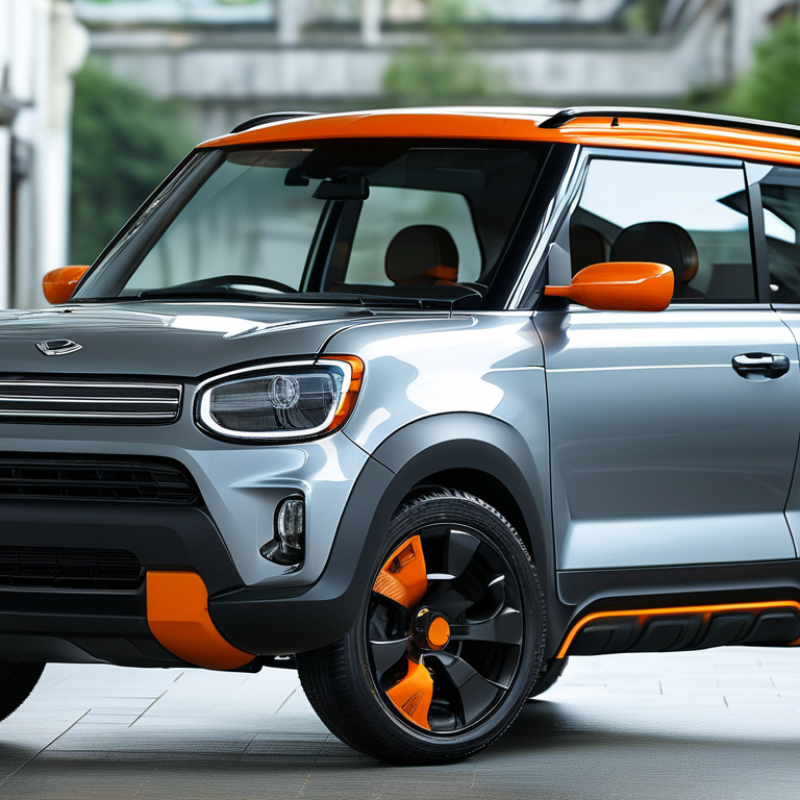
Overview of Electric Mini Vans and Their Market Demand
The demand for electric mini vans is rapidly increasing globally. As cities aim to reduce emissions, these vehicles offer a practical solution. According to a recent report by the International Energy Agency, electric vehicle sales, including mini vans, are expected to rise by 35% annually through 2025. This growth reflects a shift towards cleaner urban transportation.
Electric mini vans provide flexibility for businesses and families alike. They are ideal for short commutes and delivery services. With a lower carbon footprint compared to traditional vans, they align well with environmental goals. However, charging infrastructure remains a challenge. Many regions lack sufficient charging stations, hindering the widespread adoption of these vehicles.
Tips: Explore local incentives for purchasing electric vehicles. These can significantly offset costs. Also, consider the range of the vehicle. Some models may not suffice for longer trips. It's essential to evaluate both usage needs and available charging options for effective planning.
Top 10 Electric Mini Vans From China for Global Buyers
| Model | Range (km) | Battery Capacity (kWh) | Max Power (hp) | Charging Time (hours) | Price (USD) |
| Model A | 250 | 40 | 90 | 6 | 30,000 |
| Model B | 220 | 30 | 80 | 5 | 28,000 |
| Model C | 300 | 50 | 100 | 7 | 35,000 |
| Model D | 180 | 25 | 70 | 4 | 25,000 |
| Model E | 240 | 35 | 85 | 6 | 32,000 |
| Model F | 260 | 45 | 95 | 5 | 29,000 |
| Model G | 230 | 30 | 75 | 4.5 | 27,500 |
| Model H | 200 | 25 | 70 | 3.5 | 24,000 |
| Model I | 250 | 40 | 90 | 6 | 31,500 |
| Model J | 280 | 50 | 100 | 7.5 | 36,000 |
Key Features to Consider When Buying Electric Mini Vans
When considering an electric mini van, several key features should be evaluated. Range is critical. Most buyers want a vehicle that can travel at least 200 kilometers on a single charge. Look for models that offer fast-charging capabilities. This can minimize downtime and improve overall efficiency.
Interior space and comfort also matter. A good electric mini van should provide ample seating and cargo capacity. Check for features like adjustable seating and climate control. Safety features are equally important. Ensure the model you choose includes modern safety technology such as collision avoidance and lane-keeping assistance.
Transitioning to electric transport can have its challenges. Battery life may not always meet expectations. Repair and maintenance options might be limited. Buyers need to carefully consider local service availability before making a decision. It's essential to weigh these factors alongside performance and price to find the right electric mini van.
Top 10 Electric Mini Vans from China
This chart displays average specifications for the top electric mini vans from China. Key metrics include range, charging time, seating capacity, and price. These dimensions can guide global buyers in selecting the right vehicle for their needs.
Top Chinese Manufacturers of Electric Mini Vans
In recent years, the demand for electric mini vans has surged globally. China has emerged as a significant player in this market. Several manufacturers are leading the way, showcasing innovative designs and technology. These companies focus on creating efficient vehicles suitable for various uses, from transporting goods to providing passenger services.
China's electric mini van industry features a mix of start-ups and established companies. Many manufacturers prioritize sustainability with eco-friendly materials. It’s impressive how these vehicles combine functionality with modern aesthetics. However, not all models meet international safety standards. Global buyers should assess the quality and reliability of these options carefully.
Another point to note is the evolving battery technology used in these mini vans. Some manufacturers are investing heavily in long-range batteries. Despite advancements, battery life still varies across models. This inconsistency might be a concern for users who need reliable performance. Buyers must consider such aspects before making a purchasing decision.
List of Ten Prominent Electric Mini Vans from China
China has emerged as a significant player in the electric vehicle market, particularly in the mini van segment. According to recent data from the Global Electric Vehicle Outlook, electric mini vans account for approximately 25% of the total electric vehicle sales in China. This growth reflects increasing demand for sustainable transportation options across varied urban landscapes.
Among the popular choices, several electric mini vans showcase excellent efficiency and practicality. Many of these models have impressive ranges, often exceeding 250 kilometers on a single charge. With urban settings demanding more maneuverability, these vehicles often feature compact designs without compromising on cabin space. Some models even offer smart connectivity features, enhancing the user experience yet again.
Despite these advancements, challenges persist. Some vehicles face limitations regarding battery life and charging infrastructure, which can hinder adoption in less developed areas. While the innovations are promising, potential buyers should carefully assess their local charging options. This ongoing evolution in electric mini vans represents both an opportunity and a challenge within the global market landscape.
Global Market Trends and the Future of Electric Mini Vans
The global market for electric mini vans is rapidly evolving. Buyers now seek efficient, eco-friendly transportation alternatives. Many manufacturers from China are stepping up to meet this growing demand. These vehicles promise versatility while addressing environmental concerns.
Electric mini vans are gaining traction due to their compact nature. Families and small businesses appreciate their spacious interiors. However, competition is fierce. Innovations often focus on battery life and charging times. Some models excel in urban settings, while others struggle outside city limits. It's essential for buyers to assess their specific needs.
The future of electric mini vans will likely involve advanced technologies. Features like autonomous driving and smart connectivity are emerging. Yet, not all companies are prepared for this shift. Some still lag in integrating modern capabilities. Buyers should remain vigilant about these trends. Understanding these nuances can lead to smarter purchasing decisions.