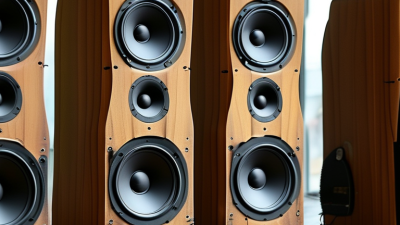
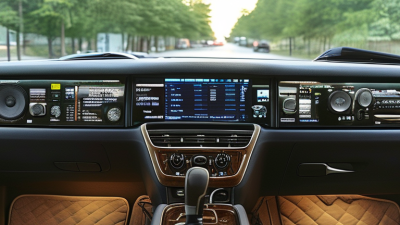
Choosing the right car audio equipment is rarely as simple as comparing wattage or counting speakers. Global buyers face different roads, vehicle designs, climate conditions, import standards, and listening habits. A system that sounds balanced in a quiet European hatchback may feel weak inside a noisy pickup truck. That difference matters.
Car audio specialist Richard Clark once said, “The most important part of a car audio system is the installation.” His point remains practical. A powerful amplifier cannot correct poor speaker placement, loose wiring, or unwanted vibration. Experienced installers inspect door panels, measure available space, and protect connections from heat and moisture. Small details often decide the final result.
This guide examines 10 best car audio equipment brands for global buyers. It considers sound quality, product reliability, installation support, warranty coverage, and long-term value. The selection includes respected manufacturers across speakers, amplifiers, subwoofers, head units, and digital processors. Some brands excel in clean vocal detail. Others deliver strong bass or flexible smartphone integration.
No ranking can suit every driver. That is the honest limitation. Budget, vehicle size, music preference, and local service access still shape the decision. We also recognize that technical specifications can mislead when tested under different conditions. A lower-rated system may sound better in a properly treated cabin. Listen carefully. Check compatibility. Then choose equipment that fits both your vehicle and daily expectations.
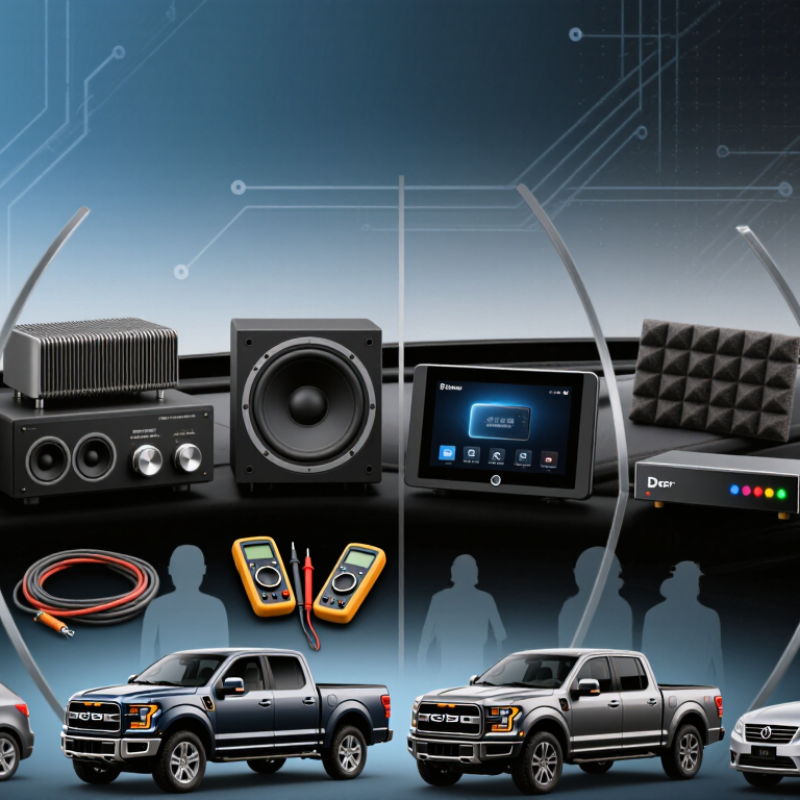
Global car audio equipment brands should be evaluated beyond loudness and attractive packaging. Grand View Research estimated the global automotive audio market at approximately USD 9.4 billion in 2023. It also projected a compound annual growth rate of about 7.8% through 2030. These figures show strong demand, but market size alone proves little. Buyers should examine frequency response, sensitivity, impedance, total harmonic distortion, and thermal stability.
Real-world testing matters more than a polished specification sheet. Play vocals, orchestral music, and spoken audio inside a parked vehicle. Listen from the driver’s seat, then from the rear row. A reliable evaluation should include heat exposure, vibration checks, connector quality, and installation depth. IEC 60268 measurement principles can support laboratory comparisons, while J.D. Power’s 2024 U.S. Tech Experience Index highlights the growing importance of infotainment usability and audio interaction. A system that sounds powerful but requires confusing controls deserves caution.
Supplier reliability also needs evidence. Review warranty length, replacement procedures, test documentation, and production consistency across batches. Ask for independent laboratory results, not only factory charts. I would request samples before placing a large order. That costs time. It can prevent expensive returns. A spreadsheet cannot hear harsh treble, weak bass, or rattling trim. Personal listening remains imperfect, but ignoring it is worse.

This buyer-oriented scorecard uses measurable technical benchmarks rather than company or brand results. Each category is normalized to a 100-point reference target to make different specifications easier to compare across global markets.
Reference points include the commonly accepted human-audible range of 20 Hz–20 kHz, low-distortion audio design targets, signal-to-noise performance of 90 dB or higher, Class-D amplifier efficiency around 80% or above, and warranty coverage of at least 24 months. Actual specifications vary by product category and region.
Choosing among the 10 best car audio equipment brands requires more than loudness. Global buyers should compare speaker sensitivity, impedance, amplifier efficiency, warranty coverage, and regional support. In practical installations, a clean 75-watt signal often sounds better than a distorted 200-watt claim. Cabin size matters, too.
Fortune Business Insights valued the global automotive infotainment market at about USD 24.23 billion in 2023. Its report projects continued growth through 2030, driven by connected features and improved in-car sound. This trend supports brands offering reliable digital integration, stable Bluetooth performance, and replacement parts. However, market reports often combine audio with navigation and display systems. That limitation deserves attention. My shortlist would therefore favor measurable performance, transparent specifications, and verified customer service rather than advertising language.
Tips: Check local voltage standards and connector compatibility before ordering. Ask for frequency-response charts, not only peak power. A qualified installer should confirm grounding, wiring protection, and dashboard fitment. Also, compare independent testing from recognized automotive and audio publications. A cheaper unit may create expensive installation changes. I would not rank any brand permanently; product quality can vary between model years, factories, and regional versions. Test the equipment with familiar music at moderate volume. Details matter.
Global buyers should judge car audio by system balance, not loudness alone. Grand View Research estimated the global car audio market at about USD 8.5 billion in 2023. Its report also expects steady growth through 2030. That growth reflects stronger demand for connected, factory-integrated sound systems.
Speakers shape detail, clarity, and listening fatigue. Component speakers usually separate tweeters from woofers, improving stereo placement. Coaxial speakers simplify installation and suit many daily vehicles. A door panel still needs firm mounting and moisture protection. Small mistakes become audible. Check sensitivity, impedance, and mounting depth before ordering.
Amplifiers supply controlled power, while subwoofers handle low-frequency impact. MarketsandMarkets projects the automotive audio market will grow from roughly USD 8 billion in 2024 to over USD 11 billion by 2029.
More power does not automatically mean better sound. An amplifier with proper gain control can reduce distortion and protect speakers. A sealed subwoofer enclosure often delivers tighter bass, while a ported design creates more output around selected frequencies. Space, climate, wiring standards, and local installation practices also matter for international buyers. I would not trust peak wattage alone; manufacturers measure it differently. Independent testing remains useful, but test conditions can still vary. Look for continuous power ratings, frequency-response charts, warranty coverage, and replacement support in your region.
Choosing car audio equipment for global use requires more than chasing loudness. Sound quality depends on clean amplification, balanced tuning, and speakers that suit the vehicle’s cabin. During my own comparisons, a system with moderate power often sounded better than a louder setup with harsh treble. Listen for natural vocals, controlled bass, and detail at low volume. Small differences matter.
Compatibility can prevent expensive mistakes. Check impedance, power handling, connector types, and available dashboard space before ordering. Vehicle wiring and regional voltage standards may differ. A digital signal processor can improve staging, but it may require careful calibration. Some systems also need steering-wheel control adapters or factory-integration modules. Measure twice.
Innovation should solve real problems, not add flashy features. Wireless control, time alignment, automatic equalization, and compact amplifiers can improve daily use. However, software support may vary by region. A technically advanced unit is poor value if updates stop or installation becomes difficult. Compare warranty terms, replacement access, manuals, and independent measurements. Price alone is unreliable.
Value means long-term performance. A durable speaker with simple controls may outperform a cheaper product that needs frequent replacement. My early buying decisions focused too heavily on specifications. That was a mistake. Real cabin acoustics, installer skill, and personal listening habits often matter more. Test familiar music before deciding.
| Rank | Anonymous Market Profile | Sound Quality | Compatibility | Innovation | Value for Money | Typical Product Strength | Common Vehicle Fit | Typical Price Position | Best for Global Buyers |
|---|---|---|---|---|---|---|---|---|---|
| 1 | Profile A | Excellent detail, tonal balance, and low distortion | Broad 12 V compatibility; strong aftermarket integration | Advanced DSP, wireless connectivity, and vehicle tuning | High-end pricing with strong long-term performance | Digital signal processors and premium amplifiers | Cars, SUVs, vans, and custom installations | Premium | Audiophiles and professional installers |
| 2 | Profile B | Powerful bass, clear vocals, and strong dynamic range | Works well with factory and aftermarket head units | Efficient class-D amplification and compact designs | Very good performance per dollar | Subwoofers, mono amplifiers, and component speakers | Daily drivers and performance-oriented vehicles | Mid-range to premium | Bass-focused listeners and upgrade projects |
| 3 | Profile C | Neutral reproduction with precise stereo imaging | Strong support for factory-retention installations | Vehicle-specific tuning and signal management | Good value for technically demanding systems | OEM integration processors and multi-channel amplifiers | Modern vehicles with complex factory electronics | Mid-range to premium | Factory-system upgrades and installers |
| 4 | Profile D | Warm, engaging presentation with smooth high frequencies | Wide range of standard speaker and amplifier sizes | Reliable app control and digital crossover features | Balanced pricing across entry and enthusiast levels | Component speaker systems and compact subwoofers | Compact cars, sedans, and hatchbacks | Mid-range | Balanced daily listening and easy upgrades |
| 5 | Profile E | High output capability with energetic mid-bass | Good fit for universal aftermarket systems | Efficient power handling and flexible installation formats | Strong value for loud, high-output systems | High-sensitivity speakers and powerful amplifiers | SUVs, trucks, vans, and larger cabins | Entry-level to mid-range | High-volume listening and custom builds |
| 6 | Profile F | Clean, detailed sound suitable for mixed music genres | Broad fitment range and common replacement sizes | Strong Bluetooth, USB, and smartphone integration | Excellent mainstream affordability | Head units, coaxial speakers, and entry amplifiers | Most standard passenger vehicles | Entry-level to mid-range | First-time buyers and practical upgrades |
| 7 | Profile G | Smooth, clear reproduction with controlled bass | Good compatibility with standard 12 V electrical systems | Practical product updates rather than experimental features | Affordable with dependable everyday performance | Coaxial speakers and replacement head units | Older vehicles and straightforward installations | Budget to entry-level | Cost-conscious buyers and basic replacements |
| 8 | Profile H | Strong bass impact and lively overall presentation | Flexible wiring options and widely available accessories | Compact powered solutions and modular components | Very good value for bass upgrades | Powered subwoofers and compact amplifiers | Small cars, pickups, and limited-space cabins | Budget to mid-range | Simple bass enhancement without major modifications |
| 9 | Profile I | Pleasant everyday sound with improved clarity over factory systems | Simple installation using common speaker dimensions | Basic Bluetooth and hands-free functions | Low purchase cost and accessible replacement parts | Replacement speakers and entry-level stereos | Older cars and basic commuter vehicles | Budget | Low-cost repairs and functional upgrades |
| 10 | Profile J | Acceptable clarity with emphasis on simple operation | Best suited to basic universal installations | Limited advanced processing and connectivity features | Lowest entry cost for basic audio replacement | Basic coaxial speakers and single-DIN receivers | Older vehicles with uncomplicated wiring | Budget | Essential functionality and replacement projects |
Evaluation note: The profiles are anonymized comparative market categories. Performance can vary by product series, installation quality, vehicle acoustics, regional availability, electrical standards, and warranty terms.
Choosing the right car audio brand depends on your vehicle, listening habits, and realistic budget. A compact hatchback needs different equipment than a large SUV. Measure the factory speaker openings before purchasing anything. A six-by-nine-inch speaker will not fit every door.
I have seen affordable systems outperform expensive ones when installation is careful. Match each speaker’s RMS power rating with the amplifier’s continuous output. Ignore impressive peak numbers; they can mislead buyers. For balanced sound, consider component speakers in the front doors and smaller coaxial speakers behind them. Keep it practical.
Check warranty coverage in your country. International buyers should confirm voltage compatibility, shipping costs, return procedures, and local service availability. A trusted brand should publish clear specifications and offer technical support. Customer reviews also reveal useful details, such as connector quality or buzzing after installation. Still, reviews are imperfect evidence.
Budget for wiring and sound treatment. Cheap wiring can weaken a good system. Door insulation may reduce vibration around the speaker panel. I once focused too much on amplifier power and neglected cabin noise. The result sounded harsh on highways. That mistake changed my buying checklist. Spend gradually, and leave room for professional installation when needed.