What is Mobile Audio and How Does it Enhance Your Listening Experience?
Mobile audio has transformed the way we experience sound. According to a report by Grand View Research, the mobile audio market is expected to reach $50 billion by 2025. This surge is driven by the growing demand for portable sound systems and enhanced audio quality in mobile devices. As people increasingly rely on smartphones and tablets for their audio needs, the quality of mobile audio becomes a critical factor.
Many users seek products that offer both convenience and superior sound. However, not all mobile audio solutions live up to expectations. In a rapidly evolving tech landscape, users often find themselves overwhelmed by choices. With numerous brands touting high-fidelity sound and advanced features, it’s essential to differentiate between marketing hype and real performance.
As mobile audio continues to evolve, understanding its components is vital for enhancing your listening experience. Consumers should focus on factors such as sound clarity, portability, and battery life. These aspects play a significant role in how mobile audio enriches daily life, whether through streaming music, podcasts, or videos. Engaging with mobile audio requires both awareness and discernment, as the market can be as flawed as it is innovative.
Understanding Mobile Audio: An Overview
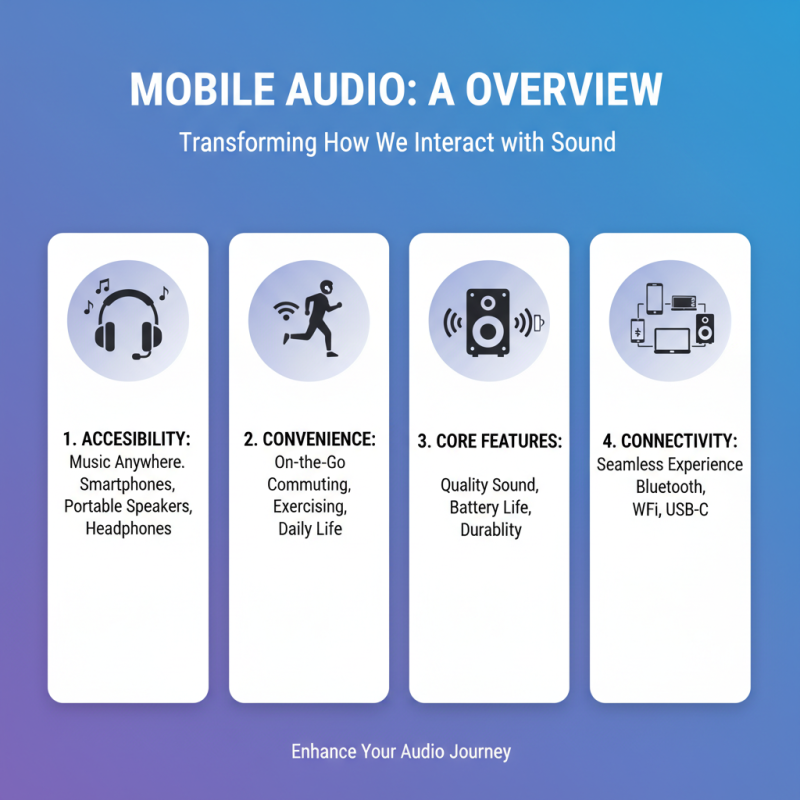
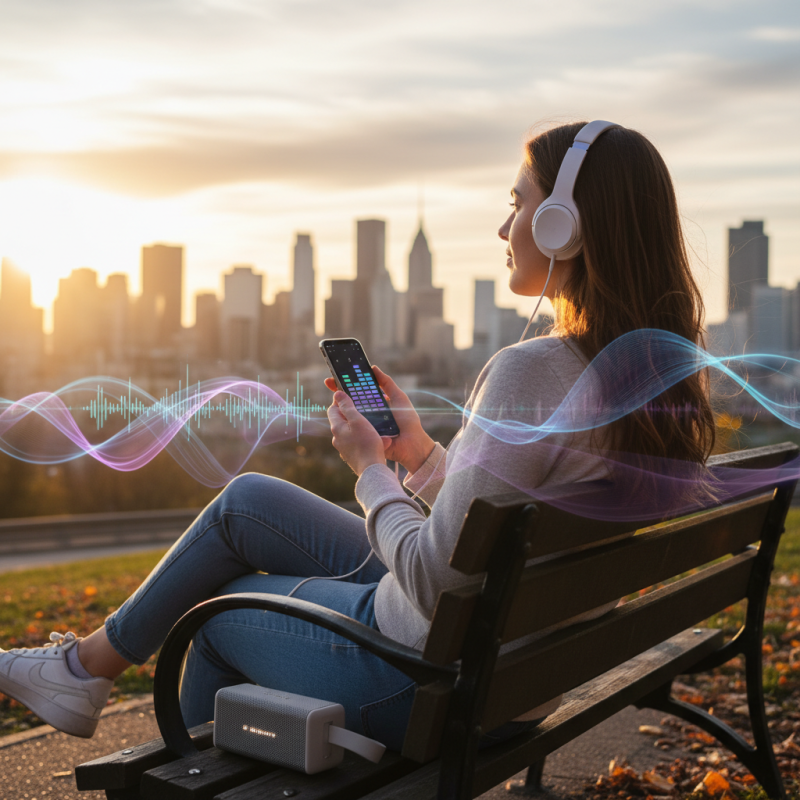
Mobile audio has transformed how we interact with sound. Portable speakers, headphones, and smartphones have made music accessible anywhere. This convenience enhances our daily lives, whether commuting or exercising. However, understanding mobile audio involves more than just convenience. It includes sound quality, battery life, and connectivity features.
Many users overlook the impact of audio fidelity. Low-quality audio can diminish your listening experience significantly. You might notice it in a busy café or a loud train. Such environments challenge sound clarity. Premium audio components can shine in these situations, yet not everyone invests in them. Battery life is another crucial element. Long-lasting devices allow for uninterrupted enjoyment. But, some users find themselves frequently recharging. This can be frustrating when on the go.
Connectivity options also play a role in the overall experience. Bluetooth technology offers wireless freedom, but it can introduce latency or sound compression issues. Some audiophiles argue that wired connections preserve audio integrity better. Yet, the convenience of wireless devices cannot be ignored. This balancing act highlights the ongoing evolution of mobile audio. Ultimately, users must reflect on what truly matters for their listening preferences.
Key Components of Mobile Audio Technology
Mobile audio technology plays a significant role in enhancing the listening experience for users. At the heart of mobile audio are several key components. Digital to Analog Converters (DACs) convert digital signals into audio. High-quality DACs are crucial for clear sound reproduction. According to a report by the International Audio Research Institute, improved DACs can increase sound fidelity by over 30%.
Another essential component is audio codecs. They compress and decompress audio data. Lossless codecs retain sound quality, while lossy codecs reduce file size. The choice of codec can profoundly affect the listening experience. A study found that nearly 80% of users preferred lossless audio formats in mobile applications for better clarity and depth.
Moreover, speakers and headphones are essential for delivering sound to the listener. Advances in driver technology improve sound projection and bass response. Premium drivers can make a noticeable difference in audio richness. While many mobile devices offer impressive specs, it’s vital to note that not all devices are created equal. Some users may need to invest in better hardware to fully appreciate high-fidelity audio.
What is Mobile Audio and How Does it Enhance Your Listening Experience? - Key Components of Mobile Audio Technology
| Component |
Description |
Benefits |
| Digital Audio Processing |
Converts analog signals to digital format using algorithms. |
Enhances sound quality and provides clearer audio playback. |
| Bluetooth Technology |
Allows wireless transmission of audio signals. |
Provides convenience and reduces cable clutter. |
| Noise Cancellation |
Uses microphones and speakers to reduce unwanted ambient sounds. |
Improves concentration and enhances listening experience in noisy environments. |
| High-Resolution Audio |
Audio files with higher sample rates and bit depths than CD quality. |
Delivers more detail and nuance in the music. |
| App Integration |
Mobile applications that offer music streaming and management. |
Increases accessibility and personalization of the listening experience. |
How Mobile Audio Devices Improve Sound Quality
Mobile audio has transformed the way we enjoy music and audio content. With advancements in technology, mobile audio devices are now capable of producing remarkable sound quality. These devices, such as wireless headphones and portable speakers, often deliver a richer listening experience than standard options. They use sophisticated algorithms to enhance sound clarity, making every note and beat more vivid.
One key improvement comes from the integration of noise-canceling features. This technology effectively reduces background noise, allowing users to focus on the music. Think of a bustling café: noise-canceling headphones can create a personal sound oasis. In addition, many mobile audio devices support high-resolution audio formats. This means listeners can experience finer details in their favorite tracks, making the music more immersive.
However, not all mobile audio devices provide the same experience. Some may lack bass or clarity, requiring careful selection. Users often wish for better battery life, as short usage times can interrupt enjoyment. It's important to test various options in real-world settings to find the best fit. Balancing sound quality with convenience remains a challenge, but the pursuit of the perfect mobile audio experience continues to evolve.
The Role of Streaming Services in Mobile Audio
Streaming services have revolutionized mobile audio. They provide users with instant access to vast libraries of music, podcasts, and audiobooks. With just a few taps, you can explore different genres or discover new artists. This convenience enhances the overall listening experience.
The integration of high-quality audio formats makes listening even more enjoyable. Lossless streaming options are becoming popular. The clarity of sound can be captivating. Yet, this comes with challenges. Not all mobile devices support these formats, limiting access for some users.
User-generated playlists are another exciting aspect. They allow listeners to curate their favorite tracks. However, the sheer volume of content can be overwhelming. It might lead to decision fatigue. Discovering new favorites can sometimes feel more like a chore than a pleasure. Balancing exploration with familiar tunes is key. Finding the sweet spot can deepen your connection to music.
Future Trends in Mobile Audio Technology and User Experience
The future of mobile audio technology is promising, with advancements shaping user experience. According to a recent report by the International Data Corporation (IDC), over 60% of consumers prioritize sound quality when choosing mobile devices. As streaming services improve their delivery methods, listeners can expect high-resolution audio, even on the go. These trends indicate a significant shift toward immersive audio experiences.
Wireless audio systems are gaining traction. Studies show that Bluetooth audio devices are projected to account for 70% of the market by 2025. The convenience they offer allows users to enjoy music and podcasts without fumbling with cords. However, this shift also raises questions about connectivity and battery life. Consumers may find themselves seeking solutions to ensure their devices stay powered throughout the day.
Tips for enhancing your listening experience include investing in quality headphones that offer noise cancellation. This feature helps create an immersive experience, blocking external sounds. Additionally, consider using audio-enhancing apps that can fine-tune playlists according to your preferences. Paying attention to settings like equalizers can significantly make a difference. Embracing these technologies while being mindful of potential challenges can lead to a richer audio journey.
Mobile Audio Technologies and Their Impact on User Experience
As we explore future trends in mobile audio technology, this chart demonstrates user satisfaction across key audio features such as Quality, Portability, Battery Life, Streaming capabilities, and Customization options. Each feature contributes significantly to enhancing the overall listening experience for users.