Ultimate Guide to Stereo Installation Tips and Tricks for 2025
In today's fast-evolving automotive landscape, having a top-notch audio experience is essential for any car enthusiast. Whether you're commuting to work, embarking on a road trip, or simply enjoying your time on the open road, the right stereo installation can transform your vehicle into a personal concert hall. As we look ahead to 2025, understanding the nuances of stereo installation becomes paramount, from selecting the right equipment to mastering the installation process itself.
This ultimate guide is designed to equip you with the tips and tricks needed for a successful stereo installation that not only enhances sound quality but also integrates seamlessly with your vehicle's existing features. We will cover essential techniques, best practices, and common pitfalls to avoid, ensuring that your audio system performs at its peak. Whether you're a DIY enthusiast or considering professional installation, our insights will help streamline your journey toward a superior sound experience in your car.

Choosing the Right Stereo System for Your Vehicle in 2025
When choosing the right stereo system for your vehicle in 2025, it’s essential to understand the evolving landscape of audio technology. With advancements such as high-resolution audio formats gaining popularity, consumers are increasingly seeking systems that can deliver superior sound quality. According to a recent industry report, nearly 70% of car owners are willing to invest in upgraded audio systems that support formats like FLAC and DSD, highlighting the growing desire for immersive listening experiences.
Moreover, the integration of connectivity features such as Bluetooth and smartphone compatibility has become a priority for consumers. Research indicates that over 80% of drivers value seamless integration with mobile devices, as it enhances both functionality and convenience while on the road. In 2025, prospective stereo buyers should look for systems that offer easy pairing, voice control capabilities, and access to streaming services to ensure a modern, user-friendly experience. With the right information and consideration of personal audio preferences, selecting a stereo system that meets both technological standards and individual tastes can significantly elevate the driving experience.
Ultimate Guide to Stereo Installation Tips and Tricks for 2025 - Choosing the Right Stereo System for Your Vehicle in 2025
| Feature |
Description |
Importance |
| Audio Quality |
Clear and crisp sound output with minimal distortion. |
High |
| Compatibility |
Works with various audio sources like Bluetooth, USB, and AUX. |
High |
| Ease of Installation |
User-friendly installation process with clear instructions. |
Medium |
| Price |
Variety of price ranges catering to different budgets. |
Medium |
| Design |
Sleek modern look that complements most vehicle interiors. |
Low |
| Remote Control |
Convenience of controlling audio settings from a distance. |
Medium |
| Warranty |
Manufacturer’s warranty for peace of mind against defects. |
High |
| Customizability |
Options for upgrading components like speakers and amplifiers. |
Medium |
Essential Tools and Equipment for Stereo Installation
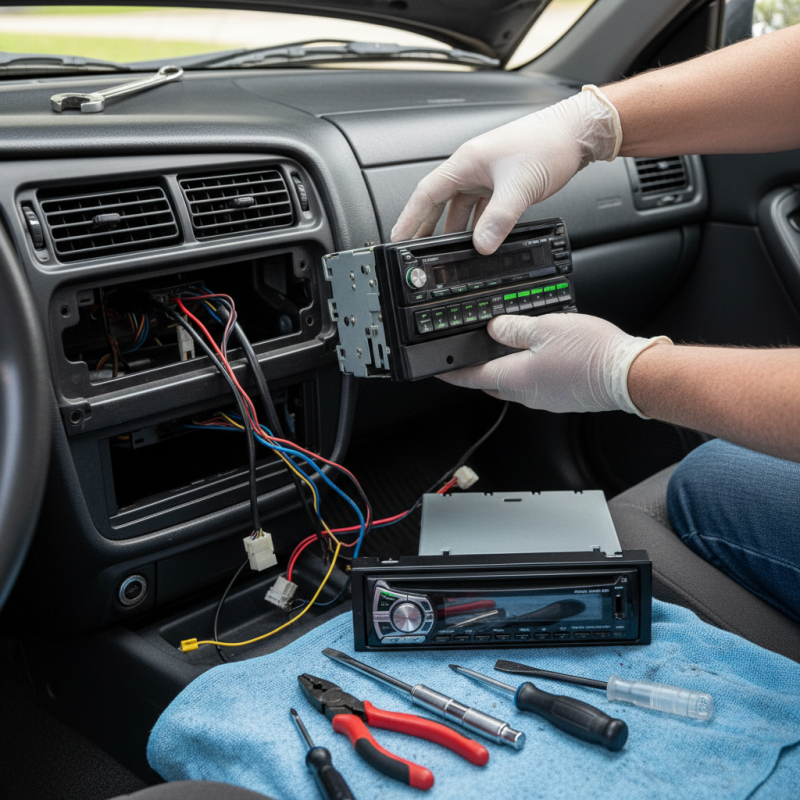
When embarking on a stereo installation project, having the right tools and equipment is crucial to ensure a smooth and successful process. According to the Consumer Electronics Association, roughly 45% of car owners opt to upgrade their stereo systems, making it imperative to equip oneself with essential tools for a professional-grade installation. Key instruments include screwdrivers, wire strippers, and a multimeter, which collectively enable installers to access and modify existing wiring structures safely and efficiently.
Additionally, specialized equipment such as a dash kit and wiring harness are paramount to achieving a seamless installation. A dash kit facilitates the integration of the new stereo into the vehicle’s dashboard, while a wiring harness minimizes the time spent on connecting wires, significantly reducing the risk of errors. A study published in the International Journal of Automotive Technology indicates that improper installation techniques can lead to system malfunctions, underscoring the significance of using proper equipment to enhance reliability and functionality. Investing in high-quality tools not only simplifies the installation process but also prolongs the lifespan of the stereo system, creating an optimal audio experience for the user.
Step-by-Step Guide to Removing Your Old Stereo
Removing an old stereo system can be a straightforward process if approached with careful planning and the right techniques. First, it’s crucial to gather the necessary tools such as screwdrivers, wire strippers, and a dash kit, depending on your vehicle type. According to a study by the Consumer Electronics Association, over 50% of vehicle owners consider upgrading their in-car audio systems. Before starting, disconnect the car battery to prevent any electrical hazards during removal.
Begin by removing any trim pieces surrounding the stereo; these are often held in place with clips or screws. A trim removal tool can help avoid damaging the dashboard. Once you access the stereo unit, disconnect the wiring harness and antenna cable. It’s advisable to take notes or photos during this process to ensure correct reinstallation of the new stereo. Industry reports indicate that proper removal techniques can reduce the risk of damaging both the existing components and the dashboard, potentially saving car owners considerable repair costs in the long run. Following these guidelines can make the transition to a modern stereo system smoother and more efficient.
Wiring and Connecting Your New Stereo Properly
When installing a new stereo system in your vehicle, proper wiring and connections play a crucial role in ensuring optimal performance and sound quality. Begin by preparing your workspace and gathering all the necessary tools, including wire strippers, crimp connectors, and electrical tape. Before disconnecting the battery, take a few moments to familiarize yourself with the wiring diagram specific to your stereo unit and vehicle. This step is essential to prevent confusion during the installation process and to ensure that each wire is connected accurately.
Once you have your tools ready and the wiring diagram in hand, start by connecting the power, ground, and speaker leads. It's important to choose the correct gauge wires to handle the power your system will draw. When making connections, use solder or quality crimp connectors for a secure fit, and cover each connection with electrical tape to prevent shorts. Always follow the manufacturer's specifications for wire color codes and connection points, as this will significantly reduce the chances of issues down the line. After double-checking all connections, reconnect the battery and test the system before securing everything in place. Taking these steps will help you achieve a clean, efficient, and high-performing stereo setup.
Ultimate Guide to Stereo Installation Tips and Tricks for 2025
Calibrating Your Stereo Settings for Optimal Sound Quality
Calibrating your stereo settings is essential for achieving optimal sound quality in your audio system. To start, it’s crucial to position your speakers correctly in your room. Place them at ear level when seated and ensure they are equidistant from the primary listening position. This setup helps create a balanced sound stage. Experimenting with speaker placement in relation to walls and corners can also significantly affect sound reflections and bass response.
Once your speakers are correctly positioned, it’s time to calibrate the acoustic settings. Utilize a sound level meter or a smartphone app designed for audio measurements to ensure that all speakers output sound evenly.
Adjust the equalizer settings to find the perfect balance between bass, midrange, and treble frequencies. Hearing preferences can vary, so don't hesitate to make minor tweaks until the sound suits your taste. Additionally, consider the room acoustics; adding soft furnishings can minimize echo and enhance overall sound quality, providing a richer listening experience.