10 Essential Tips for a Successful Stereo Installation in Your Car
A high-quality sound system can significantly enhance the driving experience, making it a key consideration for many car owners. According to a recent industry report, the global aftermarket automotive audio market is projected to reach $18 billion by 2025, highlighting the growing demand for superior sound quality in vehicles. One of the critical components to achieving that superior sound experience is effective stereo installation. Proper installation not only ensures optimal sound quality but also extends the lifespan of audio equipment and reduces the chances of system malfunctions.
However, many enthusiasts underestimate the complexity involved in stereo installation. A successful installation requires a solid understanding of the vehicle’s electrical system, speaker placement, and acoustic optimization. Studies indicate that improper installation is one of the leading causes of audio system failures, underscoring the necessity for careful planning and execution. By following essential tips and guidelines tailored for stereo installation, car owners can achieve a seamless integration of their audio systems, maximizing both performance and user satisfaction. Emphasizing best practices in the installation process can ultimately transform the in-car audio experience, making it a rewarding investment for every driver.
Understanding the Benefits of a High-Quality Car Stereo System
A high-quality car stereo system not only enhances your driving experience but also significantly improves the acoustics and overall enjoyment of music on the road. According to a 2022 report from the Consumer Electronics Association, over 70% of car owners consider audio quality as a top priority when upgrading their vehicle's audio system. Investing in a premium stereo setup can transform the mundane task of driving into an immersive musical experience, making those long commutes or road trips feel less tiresome.
To achieve the best results in your stereo installation, it’s essential to start with a solid installation plan. One important tip is to choose the right speaker placement within your vehicle. Proper speaker positioning can drastically influence sound distribution, ensuring a balanced audio experience. Additionally, integrating components such as amplifiers can provide clearer sound and more powerful bass, allowing listeners to fully appreciate their favorite tracks, as reported in a study by Sound & Vision Magazine, which found that 85% of audiophiles claim that amplified systems provide superior sound clarity compared to standard setups.
Furthermore, don’t overlook the importance of adjusting your audio settings post-installation. Taking the time to fine-tune the equalization and sound staging can make a significant difference. Many modern stereos come equipped with built-in equalizers that allow you to customize the sound profile according to your preferences and the specific acoustics of your vehicle's interior. By paying attention to these details, you can ensure that every listening session is optimized for enjoyment, ultimately maximizing the benefits of your investment in a high-quality car stereo system.
Audio Quality Improvement After Stereo Installation
This chart illustrates the improvements in audio quality ratings across different dimensions after a successful stereo installation in a vehicle. Each rating shows significant enhancements to the overall listening experience.
Essential Tools and Equipment for a Successful Stereo Installation
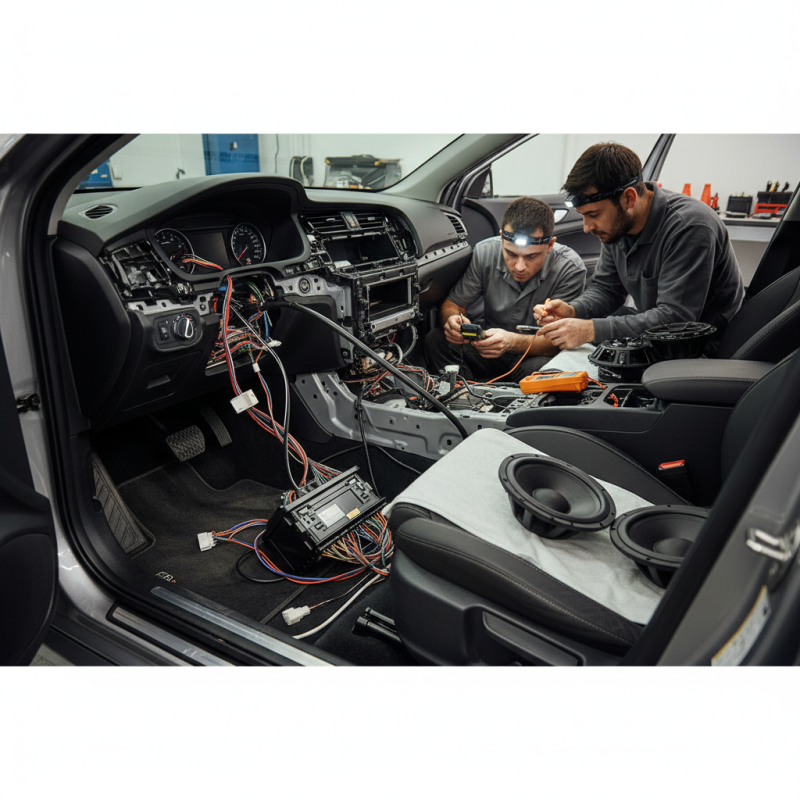
When embarking on a car stereo installation, having the right tools and equipment is paramount to ensure a smooth and successful process. According to a report by the Consumer Electronics Association, nearly 70% of car audio system owners express dissatisfaction with their installation experience, often due to inadequate tools or lack of preparation. Essential tools typically include a quality multimeter for checking voltages and continuity, wire strippers for creating clean connections, and a soldering iron for secure wiring. Investing in high-quality tools not only improves the installation quality but also enhances safety by minimizing risks associated with faulty connections.
In addition to basic tools, having the right equipment is crucial for achieving optimal sound performance. This includes sound deadening materials to reduce road noise, which can significantly improve audio clarity. A study by the Automotive Aftermarket Industry Association indicates that vehicles treated with sound deadening materials see a 25% improvement in perceived audio quality. Furthermore, a decoding tool for connecting various audio sources is vital, particularly for modern vehicles with complex wiring systems. By equipping yourself with these essential tools and understanding their purposes, you can ensure your car's stereo system is installed correctly and performs at its best.
Step-by-Step Guide to Removing Your Car's Existing Stereo
When it comes to upgrading your car's audio system, removing the existing stereo is the crucial first step.
To begin, gather the necessary tools, including screwdrivers, a trim removal tool, and possibly a socket wrench, depending on your vehicle's model. Start by disconnecting the negative terminal of your car battery to ensure safety while working with electrical components. This step prevents any accidental shorts or issues while you are handling the stereo.

Once you've prepared your workspace, it's time to remove the trim surrounding the stereo. Carefully use a trim removal tool to avoid damaging any clips or surrounding panels. After removing the trim, identify the screws or bolts securing the stereo in place. Remove these fasteners and gently pull the stereo unit out of its slot. Be cautious, as there may be wiring harnesses connected to the back. Disconnect these cables by pressing the release tabs, ensuring you handle them with care to avoid damaging the connectors.
With the old stereo removed, you’re now ready to proceed with the installation of your new audio system—setting the stage for a new sound experience in your car.
Key Considerations for Choosing the Right Car Stereo Components
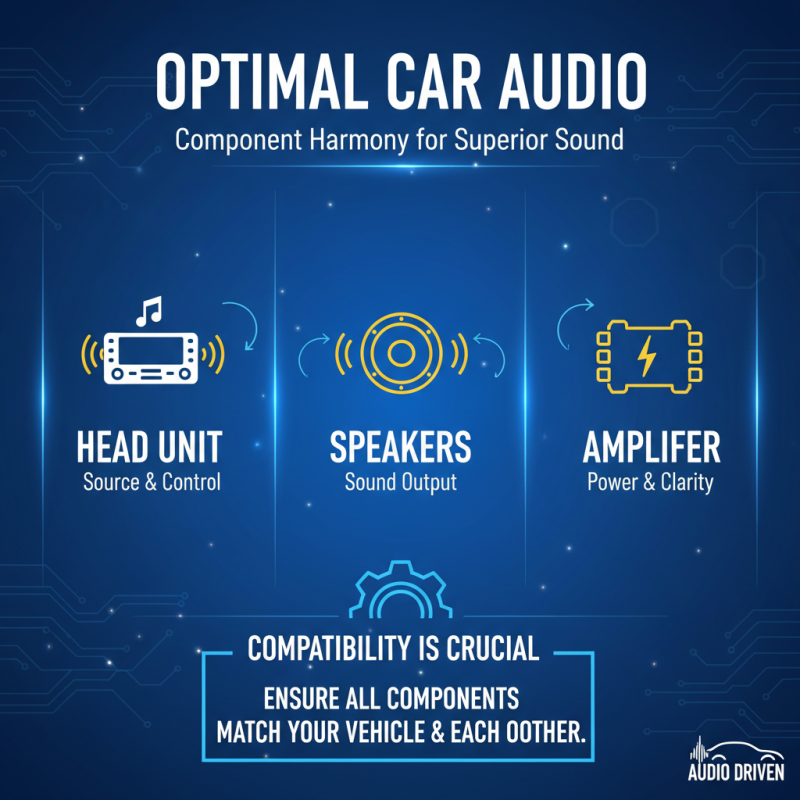
When choosing the right car stereo components, it is crucial to consider several key factors to ensure optimal sound quality and functionality. According to a recent industry report by IBISWorld, the car audio system market has shown consistent growth, highlighting the increasing importance of high-quality audio experiences for drivers. One essential factor is understanding the compatibility of components. Ensure that the head unit, speakers, and amplifiers you select are compatible with your vehicle and each other. This will avoid installation headaches and maximize performance.
Additionally, the type of speakers plays a pivotal role in the overall audio experience. Coaxial speakers are generally easier to install and are good for casual listeners, while component speakers offer superior clarity and detail, ideal for audiophiles. According to research by the Consumer Technology Association, 78% of car owners prioritize sound quality when upgrading their audio systems, underscoring the need for careful component selection.
Tip: Always pay attention to the power ratings of the speakers and amplifiers. Insufficient power can lead to distortion at higher volumes, whereas excessive power can damage your components. Another important aspect is a professional installation. While DIY can be tempting, a correctly installed system by an expert can enhance performance and longevity. Statistics show that professionally installed systems have a 30% lower failure rate compared to DIY installations, proving the value of expert knowledge in achieving high-fidelity sound.
Common Installation Mistakes and How to Avoid Them
When it comes to installing a stereo system in your car, avoiding common mistakes can save you time and frustration. One prevalent error is neglecting to read the manual. Installation guides from stereo manufacturers offer vital information specific to their products, including wiring diagrams and mounting recommendations. Ignoring these can lead to improper connections and potential damage.
Another frequent mistake is overlooking the power supply requirements. Ensuring that your vehicle's electrical system can handle the new stereo is crucial. Socializing the wires and checking for proper grounding can prevent malfunction. A well-planned power setup not only enhances performance but also extends the life of your audio equipment.
Finally, failing to secure all components properly often leads to rattling sounds and diminished sound quality. Make sure to use the appropriate brackets and screws during installation. Double-check each connection, and confirm that everything is tightly fitted. By paying attention to these details, you can significantly enhance your overall installation process and enjoy a superior listening experience.