Choosing the right Dense Load FIBC Bag requires more than checking its advertised lifting capacity. A bag may look strong on a warehouse floor, yet fail when filled with fine powder, dense granules, or uneven material. The fabric, seams, coating, liner, and lifting loops must work together. Small details matter.
This guide explains how to evaluate a Dense Load FIBC using practical handling experience and established packaging principles. It considers safe working load, safety factor, filling behavior, discharge design, moisture protection, and storage conditions. A reliable selection should match the product’s weight, density, flow, and loading method. For example, a tightly packed mineral powder can create greater stress than a lighter agricultural product. The bag’s bottom construction also affects discharge stability.
Look beyond marketing language. Request technical drawings, test records, and clear load specifications from the manufacturer. Check whether the stated capacity reflects real operating conditions or only laboratory performance. That distinction matters. A bag used repeatedly needs different consideration from a single-trip container. Temperature, stacking height, handling equipment, and exposure to sunlight can also change performance.
There is no perfect bag for every application. Even experienced buyers can overlook a liner seam or choose an unsuitable discharge spout. Rechecking these details is worthwhile. When product data is incomplete, pause before ordering. Careful comparison, supplier transparency, and documented quality controls create a safer and more dependable FIBC choice.
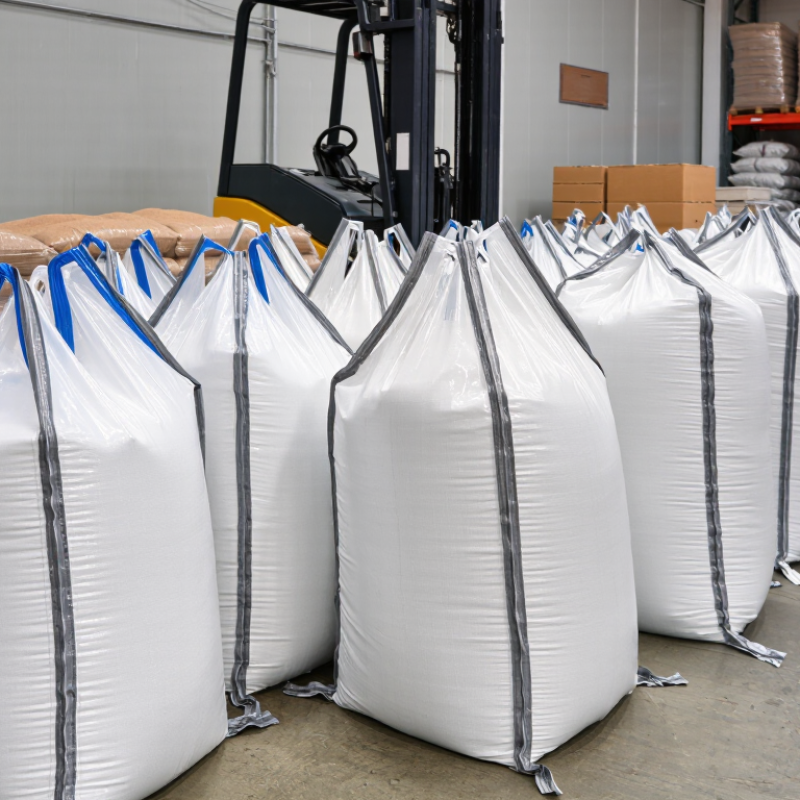
Dense load FIBC bags are flexible intermediate bulk containers designed for heavy, compact materials. They usually use stronger woven polypropylene fabric, reinforced seams, and stable lifting loops. “Dense load” describes the material’s weight and packing behavior, not simply the bag’s outside dimensions. A small container can carry serious loading stress. Typical contents include mineral powders, dry construction materials, granules, and agricultural products. These bags help reduce handling steps and support forklift movement in warehouses, factories, and transport areas. However, a dense product may settle unevenly. That detail is easy to underestimate.
Their main applications depend on bulk density, flow characteristics, filling equipment, and discharge needs. Coated fabric can help protect moisture-sensitive powders, while uncoated designs may suit dry, free-flowing materials. Choose the safe working load with a qualified packaging specialist, not by appearance alone. Check test documentation, seam construction, loop arrangement, liner requirements, and filling methods. A bag that looks oversized may still become unstable when filled. Practical experience matters here.
Tips: Measure the product’s bulk density before selecting capacity. Consider a lower fill height for better stability. Confirm whether the material needs a liner or sift-proof seams. Test the filled bag on the actual pallet and forklift route. Do not ignore dust control or discharge speed. In real operations, a perfect specification can fail after vibration, settling, or repeated handling. Review field performance and adjust the design when evidence suggests a weakness.

How to Choose a Dense Load FIBC Bag?
Start with the load, not the bag size. Record product mass, bulk density, moisture, temperature, and filling behavior. Bulk density differs from material density. Polypropylene may weigh about 0.90–0.91 g/cm³, while powder bulk density can vary widely. A 1,000-kilogram powder with 0.60 t/m³ density needs about 1.67 m³ before headspace. Practical filling often requires 10–15% unused volume. Confirm this through a trial fill.
Check the bag’s safe working load, lifting design, stitching, liner, and discharge system. ISO 21898 covers FIBC design qualification, including top-lift, compression, and drop testing. A 5:1 safety factor is common for single-trip bags, while reusable designs may use 6:1. These figures are not interchangeable. The supplier should provide test documentation and batch traceability. The weak point may be stitching, not fabric.
Safety changes during transport. UNCTAD’s Review of Maritime Transport 2023 states that over 80% of global merchandise trade by volume moves by sea. Therefore, select fabric strength, moisture protection, and pallet support for handling shocks. Electrostatic controls also matter for combustible powders. Use grounding or antistatic construction when the risk assessment requires it. Not always obvious. A neat calculation can still fail when the product settles, absorbs moisture, or shifts during lifting. Recheck the specification after a real warehouse trial, especially if operators report distorted loops or uneven discharge.
How to Choose a Dense Load FIBC Bag?
Dense materials place intense pressure on an FIBC’s base, seams, and lifting loops. Select fabric by load weight, filling method, handling frequency, and storage height. Woven polypropylene with a suitable fabric weight can provide strength without unnecessary bulk. A higher fabric weight is not automatically safer. Ask for verified safe working load, safety factor, seam strength, and test records from a qualified laboratory.
The liner also deserves careful attention. A polyethylene liner can reduce moisture exposure and limit fine powder leakage. Choose a loose liner for simple filling, or a fitted liner when the material needs better shape control. Check the liner’s thickness, sealing method, and compatibility with the product. Small wrinkles may trap material and affect discharge. That detail is easy to miss.
Construction design affects daily handling. Reinforced lifting loops should align with the lifting equipment, while cross-corner or four-loop designs can improve balance. Baffles may help the bag keep a square shape and use warehouse space efficiently. Consider a flat bottom, discharge spout, or full-open base according to the unloading process. Trial filling matters. Watch how the bag expands, settles, and sits on a pallet. In practice, the chosen design may look strong on paper but behave poorly after transport. Keep inspection records for fabric rolls, liners, stitching, and finished bags, then review them after each test batch.
| Selection Dimension | Recommended Specification | Typical Application | Why It Matters for Dense Loads |
|---|---|---|---|
| Safe Working Load (SWL) | Select an SWL that exceeds the planned net product weight, commonly 500–2,000 kg depending on the bag design. | Minerals, powders, granules, chemicals, and agricultural products. | Dense materials create high static and dynamic loads at the base, seams, lifting loops, and discharge area. |
| Safety Factor | Use a certified 5:1 design for many single-trip applications; consider 6:1 for reusable or more demanding handling cycles where permitted by regulations. | Standard warehouse, transport, and repeated lifting operations. | The safety factor helps account for handling stresses, but it does not replace proper testing or compliance evaluation. |
| Fabric Material | Coated or uncoated woven polypropylene, selected according to moisture, dust, and product-flow requirements. | Coated fabric for moisture-sensitive powders; uncoated fabric when breathability is preferred. | Woven polypropylene provides high strength at relatively low weight and can be engineered for dense, heavy contents. |
| Fabric Weight | Approximately 160–220 g/m² for many heavy-duty designs; the final value should be verified through tensile and seam testing. | High-density minerals, construction materials, and industrial powders. | Heavier fabric can improve resistance to abrasion, tearing, and deformation, although construction quality is equally important. |
| Liner Selection | Use a polyethylene liner, typically around 50–150 microns, when moisture, contamination, or fine-powder retention is critical. | Cement, fine chemicals, pigments, food ingredients, and hygroscopic powders. | A liner can reduce leakage and protect the product, but it must be fitted securely to prevent shifting during filling and discharge. |
| Liner Construction | Choose a form-fitted liner for close dimensional control; consider a gusseted liner for rectangular filling and improved internal fit. | Automated filling lines and products requiring consistent bag shape. | Correct liner geometry minimizes folds, air pockets, and stress concentration around the filling and discharge openings. |
| Bag Construction | Prefer cross-corner or four-loop lifting designs with reinforced seams and a flat or specially reinforced base. | Forklift handling, crane lifting, and palletized storage. | Load forces are transferred through the loops, corner seams, side panels, and bottom construction during lifting. |
| Top Design | Use a duffle top for flexible filling; use a conical or spout top where controlled filling and dust reduction are needed. | Bulk powders, granular products, and filling systems with dust-control equipment. | The top opening must accommodate the filling method without causing excessive fabric tension or product bridging. |
| Bottom Design | Select a plain bottom for simple discharge or a discharge spout with a secure closure for controlled emptying. | Powders and granules requiring metered discharge or low-dust unloading. | A reinforced outlet helps prevent concentrated stress and improves control when dense contents flow through a narrow opening. |
| Seam Type | Use robust stitched seams with suitable thread density; consider dust-tight or taped seams for fine powders. | Fine mineral powders, chemical powders, and other leakage-sensitive products. | Seams are common leakage and failure points, particularly where fabric panels meet under high internal pressure. |
| Baffle Design | Consider a baffle bag when a stable, space-efficient rectangular shape is required; verify that the baffles do not restrict product flow. | Dense products stored in racks, containers, or tight warehouse layouts. | Baffles limit bulging and improve pallet utilization, but filling and discharge equipment must match the internal design. |
| Electrostatic Protection | For flammable powders or hazardous zones, specify the appropriate FIBC type—A, B, C, or D—based on a documented risk assessment. | Combustible powders, solvents, and operations where static ignition is a concern. | Electrostatic requirements depend on the product, environment, grounding controls, and applicable standards; they must be validated by a qualified specialist. |
| Moisture and UV Protection | Use coated fabric, an inner liner, UV stabilization, or weather protection according to storage and transport conditions. | Outdoor storage, sea freight, humid warehouses, and moisture-sensitive materials. | Moisture and prolonged sunlight can affect product quality and reduce the service performance of polypropylene fabric. |
| Verification and Testing | Request evidence of SWL, safety factor, top-lift, compression, drop, seam, and handling tests relevant to the intended use. | All dense-load applications, especially regulated or hazardous goods. | Testing confirms that the complete bag system—not only the fabric—can withstand expected filling, lifting, transport, and storage conditions. |
Note: The specifications above are general selection guidance. Final FIBC construction should be confirmed through product density, fill volume, handling equipment, storage conditions, regulatory requirements, and documented performance testing.
How to Choose a Dense Load FIBC Bag?
A dense load FIBC bag needs careful matching with your handling equipment. Start with the filled bag’s weight, height, and footprint. A bag that fits the filling station may still block forklift access. Measure the clear space between forklift tines and the bag’s lifting loops. Top loops should remain vertical during lifting. Twisted loops can create uneven loading and unstable movement. Select a certified safe working load that exceeds the planned product weight. Do not rely only on appearance.
Filling method also affects bag dimensions. A gravity-fed line may need a wide inlet and enough headroom above the bag. An auger or pneumatic system may require a stronger inlet design and dust-control features. Dense materials can settle quickly, making the bag wider at the base. Allow clearance for this change. I have seen teams choose a compact bag, then discover it rubs against the frame during filling. That small oversight can slow production and damage fabric.
Tips: Confirm the filled dimensions, not just the empty specification. Check forklift tine length, loop spacing, discharge height, and pallet access. Ask for a trial fill when the material flows unevenly. It may seem excessive. It is often cheaper than correcting a crowded warehouse layout. Recheck the design after weighing, stacking, and transport tests. Real handling conditions can expose assumptions that drawings miss.
Match the bag dimensions and filling method with the available handling equipment. The chart compares nominal geometric volume calculated from the listed bag dimensions.
Smaller bags are generally easier to position on forklift pallets, while larger bags require adequate lifting clearance and stable crane or forklift handling. Actual fill volume and safe working load must be confirmed against the bag specification and the bulk material density.
Choosing a dense-load FIBC bag starts with evidence, not appearance. ISO 21898:2004 defines requirements for design, testing, and marking of flexible intermediate bulk containers. Ask for test records covering seam strength, lifting performance, drop resistance, and working-load capability. A strong bag should also match the filling density, discharge design, and handling equipment used at your site.
Testing must reflect real operating conditions. Check whether the supplier performs cyclic load tests, top-lift tests, and dimensional inspections on production samples. For powders, confirm fabric permeability and electrostatic controls.
Eurostat reported 186.5 kilograms of packaging waste per EU resident in 2022. That figure reinforces the need to reduce damaged packaging and avoid unnecessary replacement. However, laboratory results alone cannot prove reliable field performance.
Supplier reliability needs measurable proof. Request lot identification, raw-material records, calibration certificates, and a certificate of analysis for each shipment. Review complaint data and corrective-action reports, not only sales references. An on-site audit can reveal inconsistent stitching, weak corner loops, or poor storage conditions. A clean certificate can still hide production drift. No checklist catches everything. Leave room for independent verification, especially when the bag carries a dense load near its rated capacity.


