How to Choose the Best Mini Excavator for Your Project?
Choosing the right Mini Excavator for your project can seem daunting. With various options available, it’s crucial to consider specific needs. This compact machine offers versatility for tasks like digging, landscaping, and demolition. However, selecting one that fits your project requirements isn’t simple.
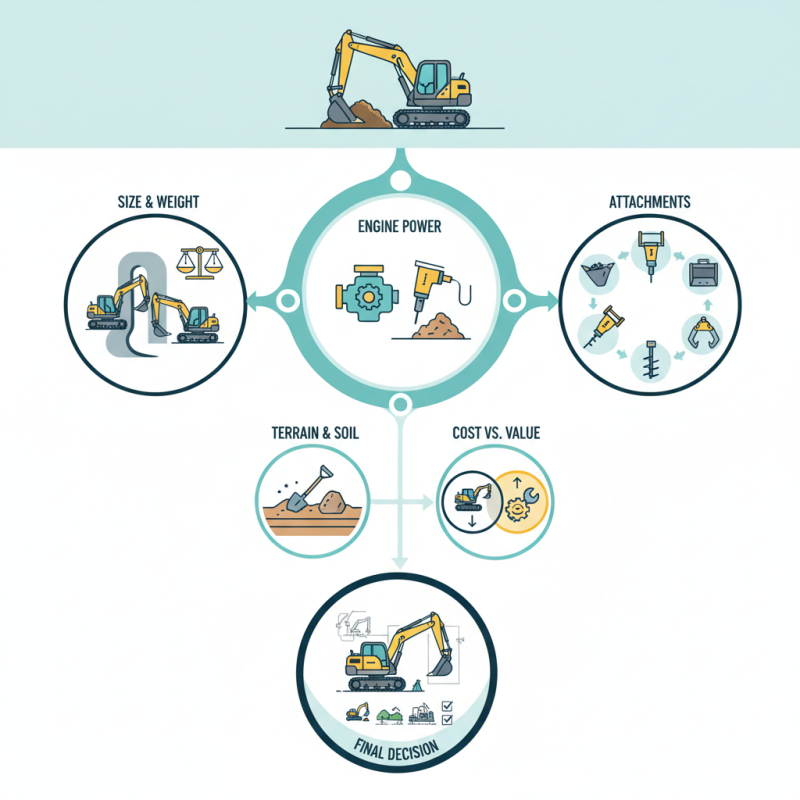
Many factors come into play. The size and weight of the Mini Excavator can affect maneuverability in tight spaces. Engine power matters, too; it influences performance and efficiency. Even minor details, such as the type of attachments available, can significantly impact your work. Sometimes, people overlook these factors, leading to difficult experiences.
Additionally, understanding your project’s landscape can change your choice. For instance, terrain type and soil conditions may require different capabilities. There’s often a temptation to choose the cheapest option, but this can lead to regrets later. Making an informed decision ensures you get a reliable machine tailored to your unique needs.
Understanding the Key Features of Mini Excavators
When selecting a mini excavator, understanding its key features is essential for your project's success. Mini excavators vary in size, weight, and capability. According to industry reports, the average weight of mini excavators ranges from 1 to 6 tons, allowing for versatility in tight spaces and urban environments. Look for features like hydraulic systems, which impact digging depth and lifting capacity. A standard hydraulic system can provide up to 2,500 psi, essential for heavy-duty tasks.
Tips: Check the machine’s breakout force. This measurement helps determine how much weight the excavator can lift. Common breakout forces range between 3,000 to 6,000 pounds for standard models. This can guide you in making a suitable choice for your workload.
Another important feature is the digging depth. Most mini excavators can dig from 6 to 15 feet deep. Knowing your project's requirements will help in choosing the right depth capacity. Some models even offer extendable arms for additional reach. However, be cautious: extending these arms can reduce machine stability. Understanding these trade-offs is crucial for safety and efficiency on the job site.
Evaluating the Size and Weight Specifications for Your Project
Choosing the right mini excavator largely depends on understanding size and weight specifications. Generally, mini excavators weigh between 1,500 to 10,000 pounds. It's crucial to evaluate your project needs, as the weight affects stability and transportability. For example, a machine that weighs around 3,000 pounds is suitable for residential projects with limited space. Heavier models, above 6,000 pounds, excel in larger tasks but may require special transport considerations.
When assessing size, consider the digging depth and reach. Most mini excavators can dig to depths ranging from 5 to 12 feet. If your project requires deeper excavation, selecting a model with a greater reach can save time and effort. Research indicates an increase in efficiency when the right size is chosen; for instance, using the appropriate excavator can reduce project time by nearly 20%.
Tips to remember: Always check the ground's load-bearing capacity before selecting a machine. A heavier excavator might exceed limits, causing potential risks. Ensure your chosen model fits the workspace. Narrow paths or tight areas often limit maneuverability, impacting work efficiency. Reflect on your project scope; sometimes, a larger excavator isn’t the solution. Smaller machines can be surprisingly effective in confined spaces.
Mini Excavator Size and Weight Evaluation
Assessing Engine Power and Performance Metrics
When selecting a mini excavator, engine power and performance metrics are critical. Engine power directly impacts digging depth and lifting capacity. A common standard in the industry is the horsepower measurement, which often ranges from 20 to 60 HP for mini excavators. Reports show that units with 40+ HP can achieve a digging depth of over 10 feet, making them suitable for larger projects. However, users must balance power with efficiency to avoid fuel wastage.
Another essential metric is hydraulic flow. A mini excavator with a hydraulic flow of 10-25 gallons per minute (GPM) typically offers better performance for attachments. This range provides sufficient power for various operations, such as augering or trenching. Data indicates that machines with 15 GPM tend to perform adequately for most digging tasks while offering the versatility needed for attachments.
Factors like weight also play a role. Heavier excavators can improve stability, but they may lead to site damage. It’s vital to assess soil conditions. For instance, a unit weighing 7,000 lbs can be ideal for compacted earth but may struggle on softer surfaces. Reflecting on these details can lead to better choices, supporting project success while minimizing potential setbacks.
Comparing Attachment Options for Versatile Applications
When selecting a mini excavator, attachment options significantly enhance its versatility. Choosing the right attachments is crucial for maximizing productivity. According to a report by the Association of Equipment Manufacturers, versatile attachments can increase job efficiency by up to 30%. Common options include buckets, grapples, and augers, each suited for different tasks. For instance, a hydraulic thumb can improve material handling, particularly in grading or demolition projects.
Consider the weight and power of your mini excavator when selecting attachments. Improper matching can lead to inefficiencies, potentially causing damage to the machine. Some attachments may overwhelm smaller machines, diminishing their performance. Observing best practices in attachment use is vital; experienced operators emphasize the importance of regular maintenance and inspection. Data shows that equipment downtime for repairs can cost projects thousands, underscoring the need for mindful attachment choices.
Work site conditions also influence attachment selection. For rocky terrain, robust buckets equipped with teeth enhance digging effectiveness. In swampy areas, using a specialized wide bucket can prevent sinking, ensuring better stability. Ultimately, understanding the project's unique demands and the mini excavator's capabilities will guide you in adapting the machine for diverse applications. Such thoughtful preparation can greatly influence project success.
Considering Budget and Financing Options for Purchase or Rental
When considering the budget for a mini excavator, it's crucial to evaluate both purchase and rental options. The overall cost can greatly vary depending on your project's duration and your specific needs. If the project is short-lived, renting may save you a significant amount of money. However, if you foresee ongoing work, buying might be the more cost-effective decision.
Tips: Analyze the estimated workload. If you assume more than a few weeks, consider purchasing. This minimizes ongoing rental fees. Think about maintenance costs too. Owning a machine requires regular upkeep, which can add to the budget.
Financing options can also impact your decision. Some dealerships offer favorable terms, such as low-interest rates or deferred payments. This can ease immediate financial pressure and allow for more flexibility in managing funds.
Tips: Always read the fine print on financing. Hidden fees can escalate your actual costs. Keep an eye on your cash flow to ensure you can handle these payments comfortably. Remember to reassess your needs periodically. An excavator that suits your project today may not be ideal tomorrow.
How to Choose the Best Mini Excavator for Your Project? - Considering Budget and Financing Options for Purchase or Rental
| Excavator Model | Operating Weight (lbs) | Bucket Capacity (cu yd) | Rental Price per Day ($) | Purchase Price ($) | Financing Options |
| Model A | 4,200 | 0.3 | 150 | 25,000 | 24-month lease, 5% APR |
| Model B | 5,000 | 0.4 | 160 | 30,000 | 36-month loan, 6% APR |
| Model C | 4,800 | 0.35 | 155 | 28,500 | 24-month lease, 5.5% APR |
| Model D | 3,800 | 0.25 | 140 | 20,000 | 36-month loan, 4.5% APR |