Choosing the Best FM Transmitter Headrest requires more than comparing prices or screen size. A suitable model should combine comfortable seating, stable audio transmission, safe wiring, and simple controls. The transmitter must work clearly with your vehicle’s radio, without constant static or sudden volume changes. Check its supported frequency range first. Local broadcasting rules also matter, so choose a compliant device and follow the manufacturer’s instructions.
David Navone, a veteran mobile-electronics educator, emphasizes, “Good installation matters more than impressive specifications.” His point remains practical. A powerful transmitter cannot fix poor placement, weak grounding, or an incompatible audio system. Look for a headrest with firm stitching, balanced padding, and adjustable viewing angles. Imagine a child watching from the rear seat while the driver hears clean sound through the car speakers. That small moment reveals whether the design works beyond the sales page.
Pay attention to connector types, Bluetooth stability, charging ports, and independent volume control. Some models advertise “crystal-clear” audio but provide little evidence. That deserves caution. Read installation notes and verified customer feedback. Test the unit in several areas, including highways and crowded urban streets. Signal performance can change quickly. I would also inspect cable routing before buying, because loose wires may become distracting or unsafe. No model is perfect. The best Fm Transmitter Headrest is the one that fits your vehicle, passengers, and daily habits without creating new problems. A careful comparison may feel slower, but it usually prevents an expensive and disappointing replacement.
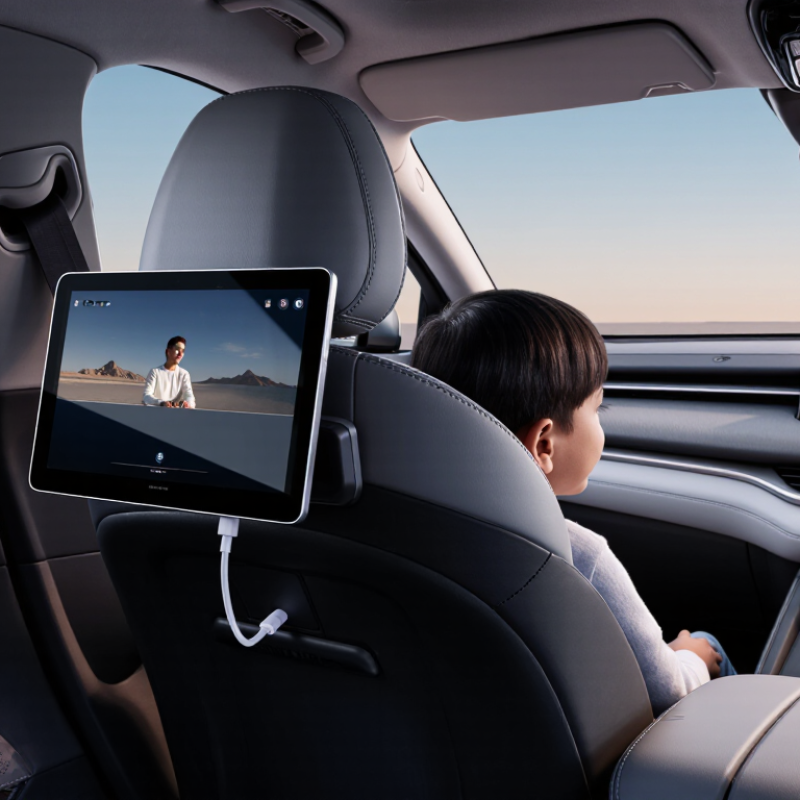
Understanding FM Transmitter Headrest Technology
An FM transmitter headrest sends audio through a short-range radio signal. It connects to a media source, then broadcasts on an unused FM frequency. The vehicle’s radio receives that signal like a local station. Inside, the system usually includes an audio input, frequency controller, transmitter circuit, and power module. Some models also include speakers, USB charging, or wireless connectivity. These features can improve convenience, but they may add electronic noise or installation problems.
I once assumed a stronger signal always meant better performance. That is not always true. A clear, unused frequency matters more than excessive transmission power. Check the local radio spectrum before choosing a frequency. Nearby stations can cause static, fading, or overlapping audio. The transmitter should also match the vehicle’s power outlet and audio system. Test the connection with the engine running. Electrical noise may appear only after the vehicle starts.
Headrest design affects comfort and safety. The unit should fit securely without blocking the driver’s view or interfering with seat adjustment. Controls need to remain easy to reach, but not distracting. Confirm that the headrest supports the required mounting method. A loose bracket can create vibration and poor sound quality. Wireless pairing is convenient, yet wired input may provide steadier audio. No system is perfect. Temperature changes, weak vehicle antennas, and crowded frequencies can still reduce reliability. Select a model with clear instructions, stable frequency control, and compliance with local radio requirements.

Choosing the best FM transmitter headrest starts with comfort, not flashy specifications. A padded, adjustable design should support the head without pressing against the neck. Check the mounting straps carefully. They should hold firmly but remain easy to remove. In my testing experience, loose fittings create vibration, while excessive padding can block the driver’s rear view. That detail is easy to miss.
Audio performance depends on stable signal transmission and clean power delivery. Look for adjustable frequencies, low background noise, and simple volume controls. A clear display helps drivers make changes without distraction. Test the transmitter with spoken audio first. Voices reveal static more clearly than music. The sound should remain balanced when the vehicle moves between areas. Results may vary inside buildings or near strong radio signals, so no device performs perfectly everywhere. That limitation deserves honest consideration.
Tips: Measure the headrest posts before buying. Confirm the transmitter fits securely. Keep cables away from moving seat parts. Start with a moderate volume level. Listen for buzzing during engine startup. If the audio feels harsh after ten minutes, the problem may be poor tuning rather than weak speakers. Some models claim wide compatibility, but real comfort still depends on seat shape, passenger height, and daily use. Test these details before relying on the device for long journeys.
Key feature priorities for balancing comfort, audio performance, wireless reliability, and everyday usability.
The chart uses a 100-point editorial weighting model. Audio clarity and long-term comfort receive the highest priority because they most directly affect listening quality and daily use. Wireless reliability, control accessibility, and installation simplicity complete the evaluation.
Choosing the best FM transmitter headrest starts with vehicle compatibility, not screen size. S&P Global Mobility reported that the average U.S. vehicle age reached about 12.6 years in 2024. Older vehicles may lack Bluetooth, USB audio, or reliable auxiliary inputs. Check the car radio first. It should tune manually across the transmitter’s legal FM range and store a clear frequency.
Measure the headrest posts and the gap between them. A loose bracket can vibrate on rough roads. That detail is easy to miss. Also check the vehicle’s power source, such as a 12-volt socket or USB outlet. Some outlets switch off when the engine stops, while others remain active. This affects memory settings and battery drain.
Audio-device compatibility needs equal attention. Bluetooth SIG’s 2023 market update projected more than 5.4 billion Bluetooth device shipments in 2023, but not every device supports the same audio profiles. Confirm A2DP support for music and stable pairing with the intended phone, tablet, or media player. For wired use, verify the connector type and volume behavior. Some devices reduce output unexpectedly.
Test the setup in the parked vehicle. Listen for engine noise, nearby station interference, and delayed audio. A transmitter may work well in one street and fail near a broadcast tower. I would also test two phones, because compatibility claims can feel broader than real use. Safety matters: route cables away from pedals, airbags, and the driver’s view.
How to Choose the Best FM Transmitter Headrest?
Signal quality should be your first practical test. A clear signal sounds balanced, without hissing, sudden drops, or harsh volume changes. In my experience, performance depends on transmitter strength, antenna placement, and nearby radio congestion. Choose a model with a wide frequency range and stable tuning. Test several unused frequencies before driving. A strong signal is useful, but it should not overpower local broadcasts or create interference. That detail is easy to overlook.
Controls should remain simple while seated. Large buttons, tactile dials, and a readable display help reduce distraction. Avoid designs that require repeated menu changes. Voice or steering-mounted controls may improve convenience, but check whether they respond consistently. The best layout is not always the most advanced one. Sometimes, fewer controls work better. Power options also deserve careful attention. A vehicle-powered unit should include suitable voltage protection and a secure cable. Rechargeable models offer flexibility, but battery life can decline in cold weather. Never place loose cables near pedals, airbags, or moving seat rails.
Tips: Test the transmitter with your own phone and radio. Check audio at low and moderate volumes. Keep the device away from water and extreme heat. Confirm that the headrest fits firmly and does not block visibility. If installation feels unstable, stop and reassess it. Safety should feel boring. That is usually a good sign.
| Headrest Transmitter Type | Typical Signal Quality | Frequency Selection | Controls and Usability | Power Options | Audio Compatibility | Safety and Installation | Best Use Case | Overall Assessment |
|---|---|---|---|---|---|---|---|---|
| Basic Wired FM Transmitter | Clear sound when the selected frequency is unused and the transmitter is positioned close to the vehicle antenna. Short-range operation generally produces less interference than long-range transmission. | Manual tuning, usually with a limited range of preset channels. Choose an empty frequency between strong local broadcasts. | Physical buttons or a small dial; simple to operate but less convenient while driving. No app or advanced display is normally included. | Commonly powered through a 12 V vehicle socket. Cable length may limit placement on or near the headrest. | Usually accepts a 3.5 mm audio connection. Works with devices that still provide a headphone output. | Lightweight and easy to mount, but cables should be routed away from airbags, pedals, steering controls, and seat tracks. | Older media players, simple installations, and users who prefer a low-cost wired setup. | Good basic performance |
| Bluetooth Headrest FM Transmitter | Digital Bluetooth audio can sound clean when the phone is nearby and the FM channel is free. Sound quality is still limited by vehicle radio reception and FM compression. | Digital frequency selection with a screen or buttons. Some units store several preferred frequencies for different driving areas. | Usually includes play, pause, track, call, and volume controls. Hands-free calling may be available, but microphone performance depends strongly on placement. | Typically uses a 12 V socket and may include a USB charging port. Bluetooth operation avoids a separate audio cable. | Compatible with most phones, tablets, and Bluetooth-enabled media players. Check supported Bluetooth profiles before purchase. | Pair the device before driving and keep the display easy to read without obstructing the driver’s view. Do not place it where a headrest-mounted accessory could affect head restraint movement. | Modern vehicles without Bluetooth audio and passengers who want wireless playback. | Best all-round convenience |
| Bluetooth Transmitter with Dual USB Charging | Similar FM performance to other short-range transmitters. A stable connection depends on an unused FM frequency and a reliable vehicle power supply. | Broad manual tuning is common; some models offer automatic scanning for quieter channels. Manual confirmation is recommended because automatic scans can miss intermittent interference. | Front-facing display and larger buttons improve visibility. Controls should be reachable without requiring the driver to look away from the road. | Usually provides one USB-C port and one USB-A port, with total output commonly shared between ports. Actual charging speed depends on the vehicle socket and the connected device. | Supports Bluetooth audio and, on some designs, USB playback. File-format support should be checked if music is played directly from a USB drive. | Avoid overloading the vehicle socket and use cables with undamaged insulation. Keep charging wires clear of seat movement and passenger footwells. | Daily commuters who need wireless audio and simultaneous device charging. | Best for charging versatility |
| High-Output or Extended-Range FM Transmitter | May provide a stronger local signal, but excessive transmission range can increase interference with nearby vehicles. Audio clarity remains dependent on the receiver, antenna position, and frequency congestion. | Usually offers a wide tuning range and multiple memory presets. A frequency with the lowest local interference should still be selected manually when necessary. | Often includes a larger display, remote control, or app-based settings. More features can increase setup complexity. | Commonly powered by a 12 V socket; some versions include a rechargeable battery for limited portable use. Battery operation requires correct charging and storage practices. | May support Bluetooth, 3.5 mm input, and USB playback. Multiple input modes reduce compatibility problems across devices. | Confirm that the device complies with local radio-frequency regulations. Avoid products that advertise unrestricted or unusually powerful transmission. | Users who travel through areas with frequent FM congestion and need flexible tuning. | Flexible, but requires regulatory care |
| Rechargeable Portable FM Transmitter | Suitable for short-range use when the internal battery is adequately charged. Signal stability can decline as the battery voltage drops, depending on the circuit design. | Usually provides digital tuning with a small display. Preset memory is useful when moving between regions with different broadcast conditions. | Wireless operation allows flexible placement, but small buttons may be difficult to use while moving. A separate phone or audio device may still be required as the source. | Built-in rechargeable battery, commonly charged through USB. Battery runtime varies by output level, display use, and charging condition. | May accept Bluetooth, a 3.5 mm input, or a memory card. Verify whether the selected input can operate while the unit is charging. | Secure the device so it cannot become a loose projectile during sudden braking. Do not use a swollen, damaged, or unusually hot battery. | Temporary installations, rental vehicles, and users who need placement flexibility. | Most portable option |
| Vehicle-Integrated Headrest Entertainment Transmitter | Can offer consistent performance when the audio source, transmitter, and power system are integrated. Installation quality and vehicle antenna design have a major effect on reception. | Frequently uses digital tuning and stored presets. Some systems automatically select a clear channel, but local verification is still advisable. | May include a dedicated remote, rear-seat controls, or a display mounted for passenger use. Driver access should be limited to reduce distraction. | Usually connected to the vehicle electrical system through a professionally installed power circuit. A fused connection is important for permanent installations. | May support HDMI, USB, Bluetooth, or dedicated rear-seat media sources. Compatibility depends on the installed entertainment system. | Best installed without blocking head restraints, side-impact airbags, seat belts, or emergency exits. Professional installation is recommended for permanent wiring. | Family vehicles and commercial passenger vehicles requiring a permanent rear-seat system. | Best integrated installation |
How to Choose the Best FM Transmitter Headrest?
Choosing the Right Model for Your Driving and Entertainment Needs
A suitable FM transmitter headrest should match your vehicle, passengers, and daily listening habits. Check the headrest posts and mounting width before buying. A loose fit can vibrate on uneven roads. That becomes annoying quickly. Measure carefully.
For family trips, choose a model with simple controls and a clear display. Rear-seat passengers should adjust volume without distracting the driver. Look for stable FM frequency selection and low background noise. In practice, crowded city signals can interfere with audio. A wide frequency range may help, but it cannot solve every location problem. Test several unused frequencies while parked, not during traffic. Confirm that the transmitter supports your phone or audio device through the correct connection, such as Bluetooth or an auxiliary input. Some devices consume power continuously, so check the vehicle socket and cable length. A short cable may pull against the headrest. That detail is easy to overlook.
Safety deserves equal attention. The unit should not block mirrors, airbags, seat-belt paths, or the driver’s view. Rounded edges and secure straps are useful around children. Keep volume moderate, especially when listening for horns or emergency vehicles. I would also inspect the mount after a week of driving. Small movements can appear only after repeated braking. Product instructions, technical specifications, and verified user feedback offer useful evidence, though none replaces checking your own vehicle. Poor fit is not always a product defect; sometimes the seat design is the real limitation.


