How to Choose the Best Car Head Unit for Your Vehicle?
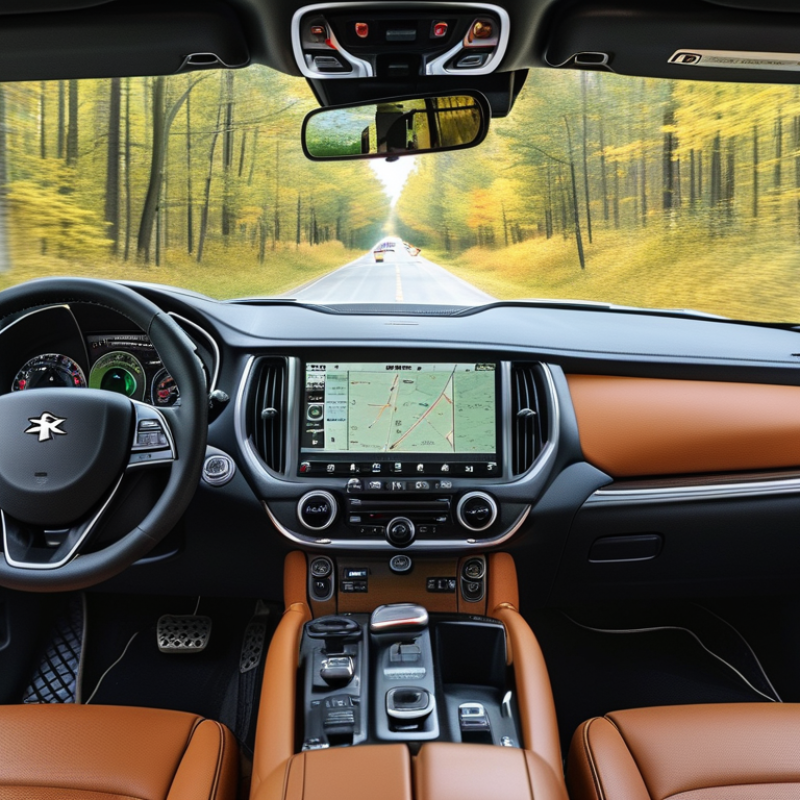
Choosing the best car head unit involves more than just picking a model. It requires understanding your needs and preferences. A car head unit is the central hub for entertainment and connectivity in your vehicle. Features vary widely, impacting user experience and functionality.
Consider sound quality, display, and compatibility. Some units support Apple CarPlay and Android Auto, while others may not. This choice can enhance navigation and audio experiences significantly.
Installation can be complex, too. Not all vehicles are compatible with every head unit. Take time to research and ask experts for advice. Reflect on your driving habits and desired features. The right car head unit enhances your vehicle's appeal. Choose wisely to elevate your driving experience.
Understanding Car Head Units and Their Features
When choosing a car head unit, understanding its features is crucial. A car head unit controls audio, navigation, and connectivity. You should consider compatibility, display type, and sound quality. Many drivers prefer touchscreen displays for ease of use. Others might lean towards simpler interfaces. Think about what suits your driving style best.
Modern head units often support Bluetooth and smartphone integration. This allows hands-free calls and music streaming. However, not all units offer seamless connection. Some may lag or require multiple steps to connect. Additionally, check for the quality of the built-in amplifier. A good amp enhances sound clarity, especially at higher volumes.
Moreover, take note of the unit's user interface. It should be intuitive, even when driving. Distracting layouts can lead to accidents. Some systems may lack sufficient customization options for sound settings. The right balance between ease of use and sound flexibility is essential. Consider testing a few models in-store. This hands-on experience can reveal quirks in design that specs alone cannot convey.
Types of Car Head Units: Choosing Between Options
When selecting a car head unit, understanding the types available is crucial. There are several options to consider. First, you might find the traditional CD receiver. These are often less popular now, but they remain reliable for audio enthusiasts. They support various formats and deliver quality sound. However, they lack modern connectivity features.
Another option is digital media receivers. These omit CD players but shine in streaming features. They usually support Bluetooth and USB connections. This allows for easy access to music from smartphones. Consider your music habits before deciding. Think about whether you rely on CDs or prefer digital formats.
Tips: Always check compatibility with your vehicle. Some head units may not fit certain dashboards without modification. Focus on sound quality when choosing speakers. Higher power output might appeal but won’t matter without quality components. Reflect on your listening habits. Prioritize features that truly enhance your driving experience.
Lastly, navigation features can be a deciding factor. Some units come with built-in GPS. Others integrate with smartphone apps for easy navigation. Make sure the unit fits your needs without overwhelming you with options. Remember, simplicity can often bring clarity while driving.
How to Choose the Best Car Head Unit for Your Vehicle? - Types of Car Head Units: Choosing Between Options
| Type of Head Unit |
Features |
Price Range |
Best For |
| Single DIN |
Compact size, basic functions like radio & CD player |
$50 - $150 |
Older vehicles with limited space |
| Double DIN |
Larger screen, touchscreen interface, more features |
$100 - $500 |
Modern vehicles and tech-savvy users |
| Smart Head Units |
Integration with smartphones, navigation, apps |
$200 - $800 |
Users who want advanced connectivity |
| Media Receiver |
No CD player, Bluetooth, USB, Aux input |
$50 - $200 |
Users who prefer digital media |
Key Considerations for Compatibility with Your Vehicle
Choosing the right car head unit is crucial for maximizing your driving experience. Compatibility with your vehicle is a primary factor to consider before making your purchase. According to recent industry reports, nearly 40% of consumers experience issues with misinformation regarding compatibility. A mismatch can lead to unnecessary frustration and installation challenges.
One key consideration is the vehicle's existing wiring harness. Many vehicles have unique wiring setups that may not easily accommodate all head units. Before buying, check the specifics of your car’s make and model. Some head units require additional adapters for smooth installation. Review compatibility forums and customer reviews specific to your vehicle type.
Tips: Always consult your owner's manual for specifications. If you are uncertain, visiting a car audio specialist can help clarify your options. Additionally, consider the dashboard layout; ensure that the head unit fits aesthetically and ergonomically. Remember, installation might not be straightforward, and professional help may be necessary to avoid costly mistakes.
Also, consider the features your head unit provides. Many offer Bluetooth, navigation, and smartphone integration, which could require additional compatibility checks. Make sure these features align with your vehicle's system for an optimal experience.
Evaluating Sound Quality and User Interface Features
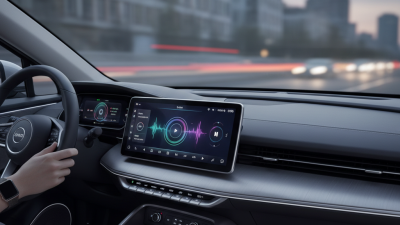
When choosing a car head unit, the user interface is crucial. A clear and responsive touchscreen can enhance your driving experience. Look for units with intuitive layouts and easy-to-reach buttons. Screens that are too small or complicated can be frustrating. Simplicity is key. If it takes too long to find a function, it can distract you from the road.
Evaluating sound quality is just as important. Balance, clarity, and the ability to customize settings are essential features. Equalizers allow you to tweak audio to your liking. Some units offer presets that help optimize sound based on the music genre. Listen for distortion at high volumes. This can indicate poor quality components. Also, consider the installation; a unit that requires extensive modifications may not be worth it.
Don’t overlook compatibility with your devices. Some head units support multiple formats, while others may only work with specific systems. This can limit your listening options. Personalization options are also essential. A unit that allows you to save favorite stations or settings can make a difference in daily use. Test a few models if possible, and remember, the best choice is the one that fits your unique needs and preferences.
Budgeting and Comparing Prices for Your Ideal Head Unit
When selecting a car head unit, budgeting is essential. The average price range for head units can vary significantly, often from $100 to over $1,000. Many factors influence this price, including features, brand reputation, and audio quality. According to a report by the Consumer Electronics Association, high-quality audio components can increase the cost of a unit by nearly 30%. It's crucial to assess what features you genuinely need versus those marketed as "essential."
Comparing prices across different retailers is another critical step. You might find the same model listed for various prices. Recent data indicates that online platforms often offer discounts of up to 20% compared to brick-and-mortar stores, but shipping costs can offset savings. Pulling data from multiple sources can reveal hidden fees. A shocking 55% of consumers overlook such details, resulting in overspending.
The diversity in options can be overwhelming, making it easy to rush into a purchase. Remember, the most expensive unit isn't always the best for your needs. Your choice should align with your vehicle's compatibility and your audio preferences. Reflect on your priorities: do you want smartphone integration, Bluetooth capability, or superior sound quality? Balancing these factors can lead to a more satisfactory investment.
Comparison of Features in Car Head Units