How to Choose Wheel Hub Bearing Units for Your Vehicle?
Choosing the right wheel hub bearing units is crucial for vehicle performance. These components play a key role in ensuring smooth wheel rotation and stability. Selecting the correct units can prevent issues like noise, vibration, and premature wear.
Consider your vehicle's make and model when choosing wheel hub bearing units. Each vehicle has specific requirements. The quality of the bearing units matters significantly. Poor quality can lead to costly repairs and replacements down the line.
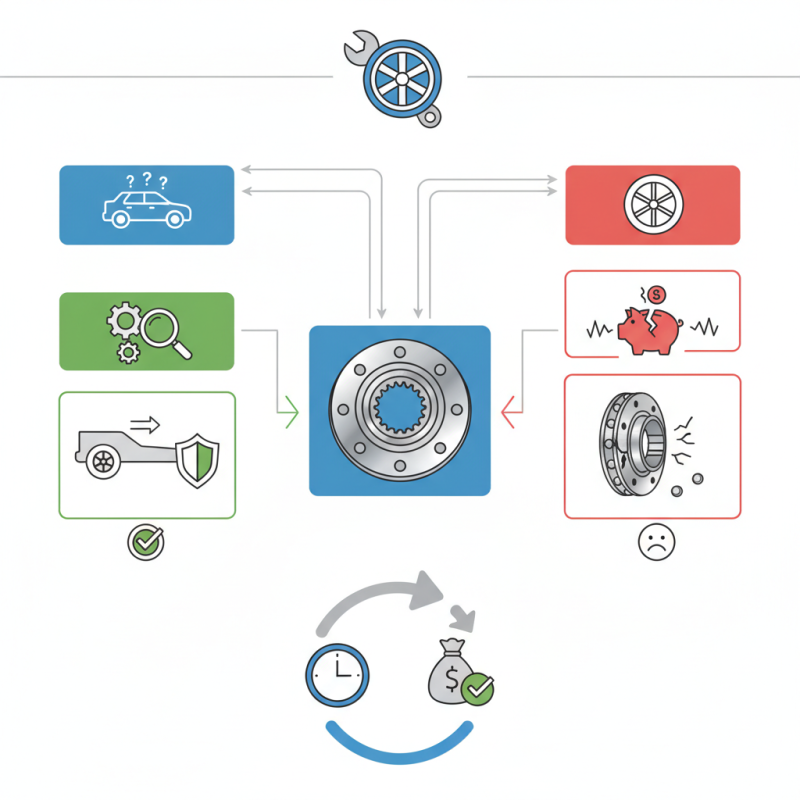
It’s worth noting that not all buyers prioritize quality. Many opt for cheaper alternatives. However, this can result in additional headaches later. Therefore, invest in reliable brands and consult professionals when in doubt. This decision can save you time and money in the long run.
Understanding the Basics of Wheel Hub Bearing Units
When selecting wheel hub bearing units, understanding their basics is crucial. These units support your vehicle's weight and allow wheels to rotate smoothly. They consist of a wheel hub, bearings, and seals, which work together to provide stability. Proper maintenance can extend the life of these components.
Several factors influence the choice of wheel hub bearing units. The first is load capacity. Different vehicles have varying weight requirements. A heavier vehicle needs a stronger unit. Additionally, consider the type of driving. Off-road conditions demand more durable bearings. Regular drivers may prioritize cost over robustness.
Installation quality is essential. Misalignment can lead to premature failure. It’s not uncommon to rush this process. This can affect performance negatively. Always use reliable tools and check specifications. Even small mistakes can lead to larger issues later. Choosing the right unit isn’t just about the part; it's about ensuring safety and performance on the road.
Identifying the Right Specifications for Your Vehicle
When selecting wheel hub bearing units for your vehicle, it is crucial to identify the right specifications. The choice can significantly impact safety and performance. According to recent industry reports, approximately 20% of vehicle failures are linked to improper wheel bearing installation. This highlights the importance of careful selection.
Start by understanding your vehicle’s specifications. Check the size and load ratings required for your make and model. Many vehicles require specific bearing types, either angular contact or deep groove. Not all bearings are created equal.
Tip: Always consult your vehicle manual for precise specifications. This will guide you toward the right selections.
Pay attention to materials as well. High-quality steel bearings tend to last longer than cheaper alternatives. Additionally, consider the environmental factors your vehicle often faces. Heat, moisture, and road conditions can all affect bearing performance.
Tip: Regular inspection of your wheel hubs can prevent costly repairs.
Remember, even a small oversight can lead to significant issues. Poor choices can impact handling and lead to premature wear. Choosing the right hub bearing requires attention to detail and an understanding of your vehicle’s requirements.
Evaluating Material and Build Quality of Bearings
When selecting wheel hub bearing units, the material and build quality play a crucial role. High-quality bearings often feature premium steel alloys. These materials provide strength and durability. Reports indicate that bearings made from advanced materials can increase longevity by up to 30%. Moisture resistance also becomes vital. Salt and road grime can corrode cheaper options. Investing in robust materials can save money over time.
The manufacturing process matters. Precision engineering leads to better fitting components. Misalignment in bearings can cause premature wear. Studies show that a 0.5 mm misalignment can reduce bearing life by 50%. Furthermore, heat treatment processes enhance bearing hardness. Heat-treated bearings can withstand challenging conditions, often running cooler under load.
Laboratory testing reveals that vibration levels can indicate quality. High-quality bearings generate less vibration. Just a small increase in vibration can signal potential issues. Monitoring vibrations can prevent major failures. Bearings may look similar, but quality varies greatly. Paying attention to these details is essential for safe and efficient driving.
Material and Build Quality Evaluation of Wheel Hub Bearing Units
Assessing Brand Reputation and Warranty Options
When choosing wheel hub bearing units for your vehicle, brand reputation matters. A trusted manufacturer often reflects quality and reliability. Brands that have been around for years typically have a track record. Customers usually leave reviews, sharing their experiences. Pay attention to these ratings. They can guide your decision-making.
Warranty options provide further peace of mind. A longer warranty indicates the manufacturer’s confidence in their product. Some companies offer a limited lifetime warranty. This can be a strong indicator of durability. However, be cautious. Not all warranties are created equal. Read the fine print to understand the coverage details.
While brand reputation and warranty options are critical, balance is key. A lesser-known brand may offer competitive features at a lower price. However, do your homework. Sometimes, a good warranty can outweigh initial brand reputation. Reflect on what matters most for your vehicle. Consider all elements before making your final choice.
How to Choose Wheel Hub Bearing Units for Your Vehicle? - Assessing Brand Reputation and Warranty Options
| Criteria | Description | Rating | Warranty Period |
| Material Quality | High-quality materials ensure durability and reliability. | 4.5/5 | 3 Years |
| Brand Reputation | Established brands are often more reliable. | 4.8/5 | 5 Years |
| Installation Ease | Easy installation can save time and labor costs. | 4.0/5 | 2 Years |
| Performance Warranty | Warranty covers performance issues for a specified period. | 4.6/5 | 4 Years |
| Customer Support | Responsive customer service enhances user satisfaction. | 4.7/5 | 1 Year |
Installation Considerations and Maintenance Tips
When installing wheel hub bearing units, consider a few key factors. Proper alignment is crucial. Misalignment can lead to premature wear. According to recent industry reports, an estimated 30% of bearing failures stem from incorrect installation. Ensuring that the mounting surfaces are clean and free of debris is essential. Use the right torque specifications when securing the bearings.
Maintenance plays a significant role in the longevity of bearing units. Regular inspections can identify issues before they escalate. Lubrication intervals are critical. Many experts suggest checking the bearings every 10,000 miles. However, driving conditions can affect this. In harsh environments, more frequent checks may be necessary. Ignoring these recommendations can lead to costly repairs.
Reflecting on past maintenance habits can be revealing. Many vehicle owners overlook bearing care. It's easy to focus on more visible components. However, staying proactive about maintenance can prevent larger issues. In reality, a little attention can save time and money in the long run.