What is a Car Entertainment System and How Does It Work?
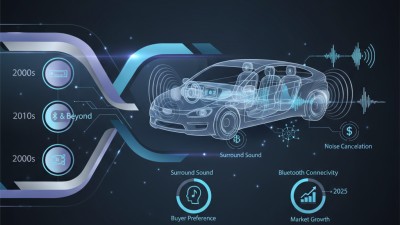
The car entertainment system has transformed the driving experience significantly. Recent industry reports highlight that over 75% of new vehicles are equipped with advanced infotainment systems. These systems provide drivers and passengers with seamless access to music, navigation, and communication. They can connect to smartphones, creating an integrated digital environment.
Moreover, as technology evolves, car entertainment systems are becoming more sophisticated. Features like voice recognition and touch interfaces are now common. However, challenges persist in usability and driver distraction. Many users still find certain systems complicated, which affects safety while driving. Despite advancements, improving user experience remains a task for manufacturers.
With the market projected to reach $37 billion by 2025, the demand for innovative car entertainment systems is clear. Drivers seek not only functionality but also entertainment value. Balancing these needs with safety standards is essential. As the industry advances, reflecting on user experiences will drive further improvements.
Definition of a Car Entertainment System and Its Components
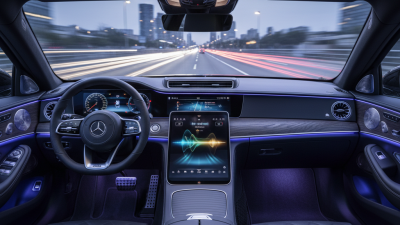
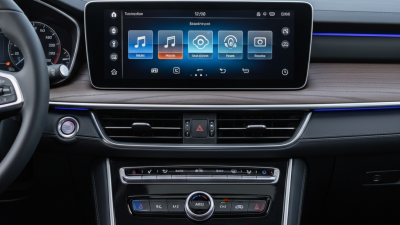
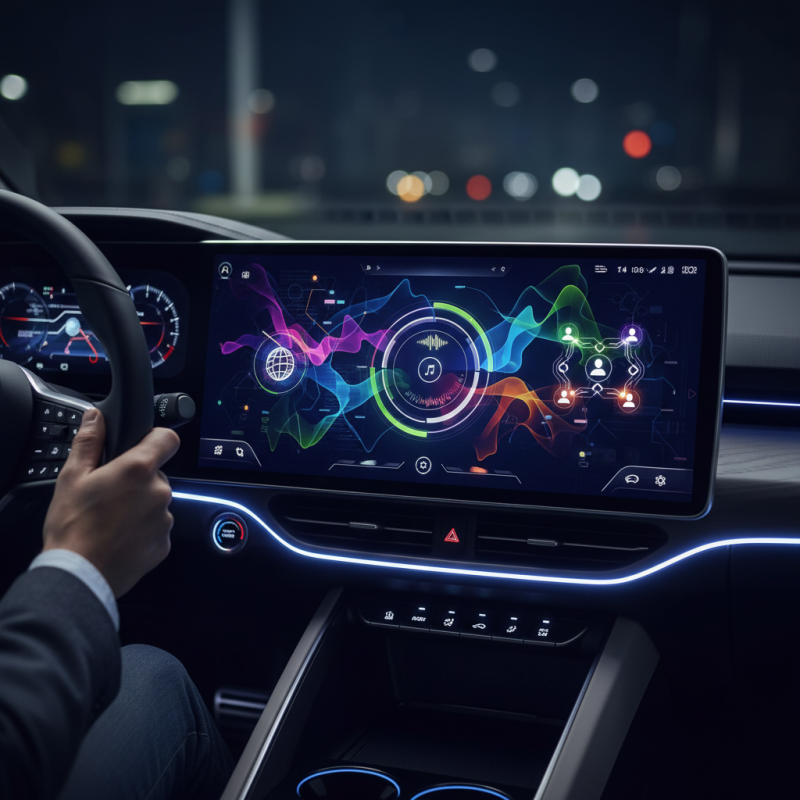
A car entertainment system is designed to provide audio and video content to passengers. It usually includes several key components. The head unit acts as the control center. It manages the source of audio, such as radio, streaming, or CD playback. In addition, it provides user interfaces like touchscreens and knobs.
Speakers are crucial for sound output. They come in different sizes and types, affecting sound quality. Subwoofers enhance bass, creating a fuller listening experience. Many systems also feature amplifiers to boost sound levels. Connectivity options, such as Bluetooth or USB ports, allow for versatile media playback.
Unfortunately, not all systems provide a seamless experience. Some interfaces can be confusing to navigate. Bluetooth connectivity might fail occasionally. Users may experience lag when switching between applications. These challenges show that while car entertainment systems enhance travel, they can also detract from the driving experience if not designed well.
Car Entertainment System Components Usage
Key Features and Functions of Modern Car Entertainment Systems
Modern car entertainment systems are a blend of technology and convenience. They provide various features that enhance the driving experience. According to recent industry reports, over 80% of new vehicles sold in 2023 are equipped with some form of infotainment system. These systems typically include features such as Bluetooth connectivity, navigation, and audio streaming capabilities.
One significant aspect is the integration of smartphone applications. Many systems now support Apple CarPlay and Android Auto. This allows drivers to access their favorite apps directly from the dashboard. However, some studies indicate that drivers can become easily distracted while using these features. This raises questions about safety and concentration behind the wheel.
Additionally, voice recognition technology has become a vital part of modern systems. More than 60% of drivers prefer hands-free controls, according to surveys. While this technology aims to improve safety, it is not always accurate. Drivers often find themselves repeating commands multiple times. This inconsistency can lead to frustration and disrupted focus on driving tasks.
How Car Entertainment Systems Integrate with Vehicle Technology
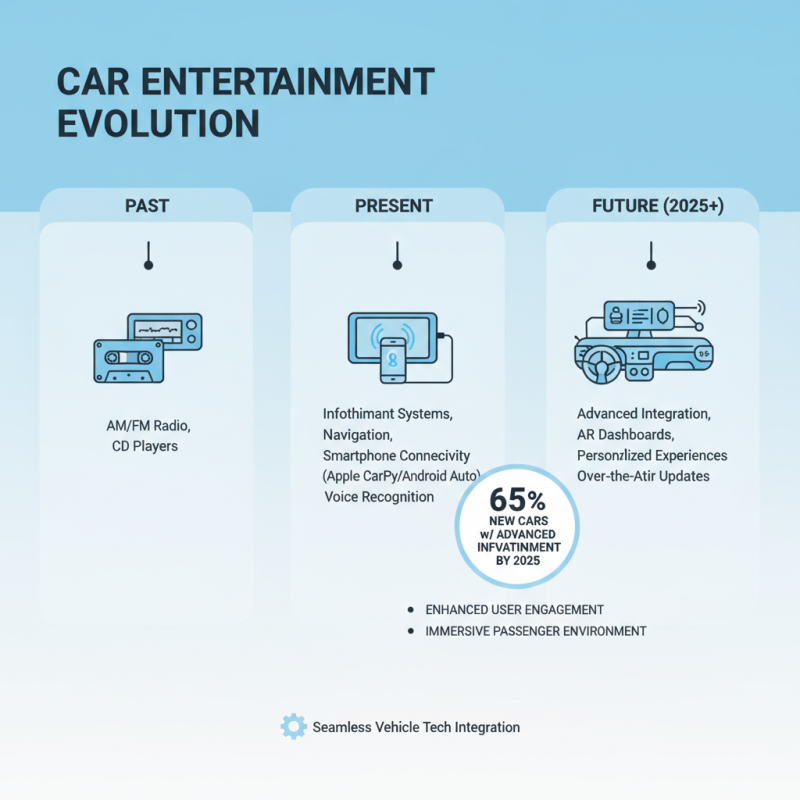
Car entertainment systems have evolved significantly, becoming integral to the driving experience. Many modern vehicles now seamlessly connect these systems with various vehicle technologies. Reports indicate that over 65% of new cars will feature advanced infotainment systems by 2025. This integration includes navigation, voice recognition, and smartphone connectivity. Such features enhance user engagement and provide an immersive environment for passengers.
However, challenges persist. The interface of some systems can be unintuitive. User feedback indicates that many drivers struggle to navigate menus while driving. This can distract from road conditions and lead to safety issues. According to research, distracted driving remains a prevalent issue, causing numerous accidents each year. Enhancing usability should be a priority for manufacturers to ensure safer driving experiences.
Moreover, data security poses another concern. As car entertainment systems collect user information, they become potential targets for cyber threats. Studies show that 40% of connected cars face security vulnerabilities. Ensuring robust security measures is essential to protect consumer data. Overall, while car entertainment systems add convenience and fun, their integration with vehicle technology must prioritize safety and user experience.
The Evolution of Car Entertainment Systems Over the Years
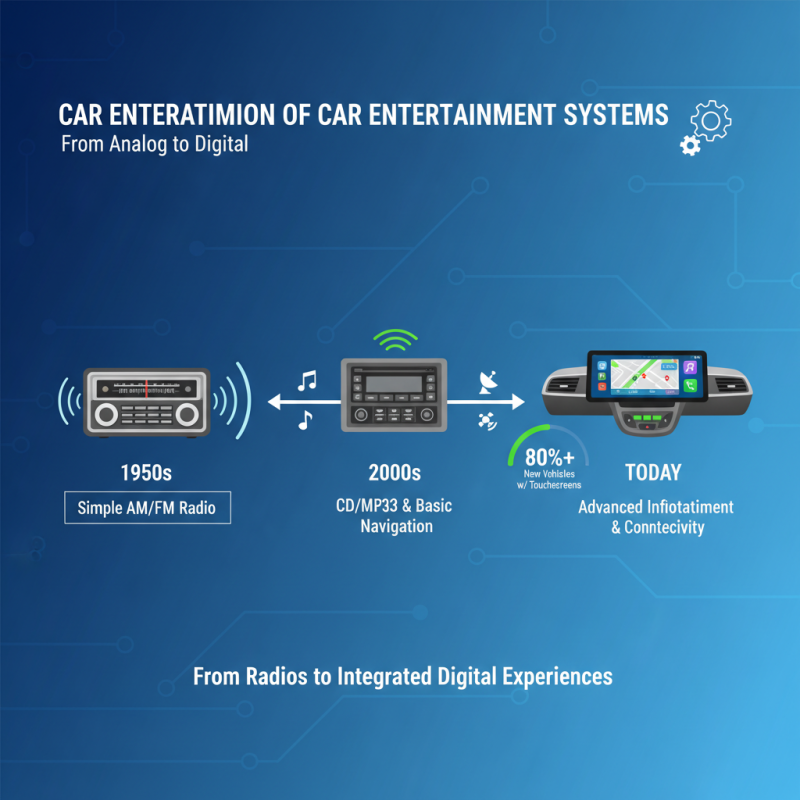
The evolution of car entertainment systems has been remarkable. From simple radios to advanced infotainment systems, the change has been dramatic. According to a recent industry report, over 80% of new vehicles now feature touchscreen interfaces. This shift reflects consumer demand for enhanced connectivity and entertainment on the go.
In the early days, car entertainment consisted mostly of AM/FM radios. These were basic and offered limited options. In the 1980s, cassette players emerged, allowing drivers to play their favorite tapes. By the late 90s, CDs became standard. Today, many cars offer Bluetooth and smartphone integration. This enables streaming music and hands-free calls.
Tips: When choosing an entertainment system, prioritize usability. A complex interface can be distracting while driving. Also, consider sound quality – a good system can significantly enhance your driving experience.
As technology advances, we must reflect on excessive reliance on these systems. Will they compromise safety? Cars are now mini-entertainment hubs, but it's essential to strike a balance. Enjoyment should not come at the cost of focus on the road.
Future Trends in Car Entertainment Technology and User Experience
The future of car entertainment technology is evolving rapidly. Enhanced connectivity will play a vital role. We will likely see better integration with smartphones and other devices. Users want seamless access to apps, music, and navigation. This shift could reduce the reliance on built-in systems. However, this could create challenges. Not all vehicles will support the latest software updates.
User experience is key in this digital age. Voice commands and touchscreens will dominate. Yet, reliance on technology presents risks. Distracted driving is a real concern. Interfaces must be intuitive and simple. As car tech advances, user safety should remain a priority. Feedback from drivers is crucial. Designing engaging yet safe systems will require balance.
As automation increases, entertainment systems may adapt. Personalization will allow for tailored experiences. However, privacy issues may arise with data collection. Consumers must be aware of how their data is used. Balancing entertainment and safety is no small feat. Continuous innovation will be necessary to meet evolving expectations. The drive for a fully connected experience may lead to unanticipated issues.