10 Car Audio Buying Tips for Global Buyers?
Buying car audio across borders is rarely as simple as choosing the loudest amplifier. Vehicle design, climate, language, currency, and after-sales support can change the result. A system that performs beautifully in one market may create installation problems in another. Dashboard space matters. So does wiring access.
Floyd Toole, a respected loudspeaker researcher, has said, “The loudspeaker is the most important component in an audio system.” That principle also guides careful car and audio decisions. Speakers, amplifiers, subwoofers, digital signal processors, and factory integration must work together. Bigger is not always better. Sometimes, a modest speaker set with proper tuning sounds more natural than expensive equipment installed poorly.
These ten buying tips will help global buyers compare specifications with real-world performance. Check impedance and sensitivity before comparing prices. Confirm vehicle compatibility, warranty coverage, replacement access, and installer experience. A humid coastal region may demand different installation protection than a dry inland climate. A cold-weather buyer may prioritize durable materials and reliable starting-current management.
Do not trust every impressive specification. Some numbers look useful but reveal little about daily listening. Listen to vocals, cymbals, and bass at a realistic volume. Notice whether the dashboard feels balanced, not merely powerful.
No checklist is perfect. Personal taste still matters.
A careful buyer should also accept some uncertainty. Online reviews can overlook local service problems, shipping damage, or confusing interfaces. The best purchase combines expert advice, verified measurements, honest listening, and a clear return plan. Good sound is not only a product choice. It is an installation decision.
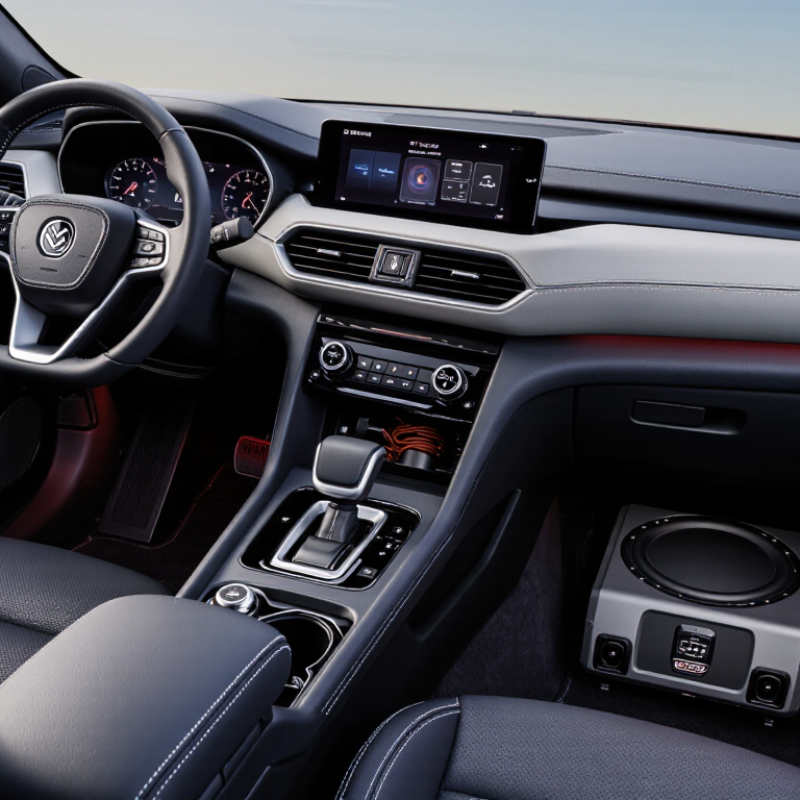
Define Your Vehicle’s Audio Compatibility and Installation Needs
Before buying car audio equipment, identify the vehicle’s exact year, trim, factory system, and dashboard dimensions. S&P Global Mobility reported that the average U.S. light vehicle age reached 12.6 years in 2024. Older vehicles often use simpler wiring, while newer models may integrate amplifiers, screens, cameras, and steering controls. Compatibility is not just about size.
Check the radio opening, mounting depth, speaker impedance, RMS power, and available harnesses. A 6.5-inch speaker may fit the door but still fail because of shallow clearance. Measure behind the panel, not only the visible grille. Confirm whether the factory amplifier remains active. If it does, the replacement system may need a signal interface or a line-output converter. That small detail can prevent noise, weak volume, or lost controls.
Installation standards also differ by market. Verify connector types, voltage requirements, antenna adapters, and local wireless regulations before ordering. The Consumer Technology Association’s 2024 ownership research shows connected devices remain central to daily consumer use, but vehicle integration is still inconsistent across models. Test Bluetooth, microphone placement, and steering buttons after installation. I once treated a wiring diagram as universal; it was not. Leave room for mistakes, and use a qualified installer when airbag wiring or complex vehicle networks are nearby.
Set a Realistic Budget for Equipment, Installation, and Accessories
Set the budget before comparing speakers, amplifiers, or screens. A realistic plan covers equipment, professional labor, wiring, adapters, sound deadening, shipping, taxes, and future adjustments. The hidden costs can hurt. S&P Global Mobility reported that the average U.S. light vehicle age reached 12.6 years in 2024. Older dashboards often need extra integration hardware. Reserve about 20% for installation and accessories, then keep another 10% as a contingency. My 20% rule is imperfect. Labor and vehicle complexity vary widely between countries.
The U.S. Bureau of Labor Statistics reported a median annual wage of about 47,770 dollars for automotive service technicians in May 2023. This figure is not a global installation price, but it shows why skilled labor should not be treated as free. Start with a firm ceiling in your local currency. On a 1,000-unit budget, allocate roughly 600 to equipment, 200 to labor, 100 to accessories, and 100 to surprises. A basic upgrade may need less. Factory integration can require much more. Request itemized quotes. Confirm whether tuning, trim removal, cable routing, testing, and return visits are included. Cheap labor can become expensive rework. Many buyers focus on peak power and overlook fitment, heat, and warranty handling. That is an easy mistake. Leave room for disappointment.
Compare Speakers, Head Units, Amplifiers, and Subwoofers
10 Car Audio Buying Tips for Global Buyers
When comparing speakers, start with fit, sensitivity, and continuous power handling. A speaker may sound impressive on a display wall but fail inside a noisy vehicle. Measure the door depth and mounting diameter before ordering. Check impedance carefully, because the wrong load can strain an amplifier. I once chose larger speakers without checking clearance. The result was expensive, unnecessary modification.
Head units deserve equal attention. Confirm wiring compatibility, screen language, radio frequencies, phone support, and steering-wheel controls. A clear interface matters more than decorative features during daily driving. Amplifiers should match the speakers’ continuous ratings, not only their maximum ratings. Leave some headroom, but avoid pairing a powerful amplifier with poorly protected speakers. Certified installation guidance and clear technical documents are valuable for buyers in different markets.
Subwoofers add low-frequency impact, yet they need suitable enclosure volume and electrical support. A compact subwoofer can work well in a small vehicle, while a larger model may consume useful cargo space. Compare sealed and ported enclosures by listening to familiar music, not only test tones. Keep gain settings moderate and use proper fuses, cables, and ventilation. Regional vehicle designs differ, so local installation advice can prevent wiring mistakes. My own listening preference has changed over time; louder was not always better.
Check Global Voltage, Connectivity, Warranty, and Import Requirements
Before buying, confirm your vehicle’s electrical system and the audio unit’s required voltage.
Most passenger cars use 12 volts, while some commercial vehicles use 24 volts. Do not rely on a marketplace photograph. Read the installation manual. Check fuse ratings, grounding, connector types, and wire compatibility. A mismatched harness can cause noise, overheating, or failed controls. Measure carefully.
Connectivity needs a regional check.
Confirm Bluetooth profiles for calls and music, then test your phone’s operating system. Check USB data support, charging limits, microphone placement, and radio frequency bands in your country. Steering-wheel controls and factory displays may require extra interfaces. Navigation features can also depend on local maps and language files. Small details matter. I once overlooked the radio-band issue when comparing specifications, and the result was poor reception. That was an avoidable mistake.
Warranty terms deserve equal attention.
Ask whether repairs are handled locally, who pays return shipping, and how long replacement parts remain available. Keep the invoice, serial information, and installation record. Import requirements may include customs declarations, taxes, electrical certification, and vehicle compatibility documents. Confirm these obligations before payment. Some sellers describe products as “universal,” but that wording can hide connector or software limitations. A qualified installer can verify the wiring and preserve safety systems. If the manual is unclear, pause the purchase. Cheap equipment becomes expensive when support disappears.