As we approach 2026, the demand for high-quality car audio systems continues to grow. According to industry reports, the global car audio market is expected to reach $9 billion by 2025. This surge is driven by advancements in technology and consumer demand for superior sound quality. Features like Bluetooth connectivity, smartphone integration, and digital signal processing are now essential.
Car audio systems have transformed drastically over the years. Modern consumers crave immersive listening experiences. They seek systems that deliver sharp clarity and powerful bass. Studies show that 75% of car buyers consider audio quality as a crucial factor in their purchase decisions. Yet, many still settle for mediocre systems that fail to meet expectations.
Despite advancements, not every audio system delivers on its promises. Some products prioritize flashy features over sound quality. This discrepancy has left consumers frustrated. It's crucial to evaluate not just specifications, but also real-world performance. In a market filled with choices, understanding which features truly enhance the listening experience is vital for making informed decisions.
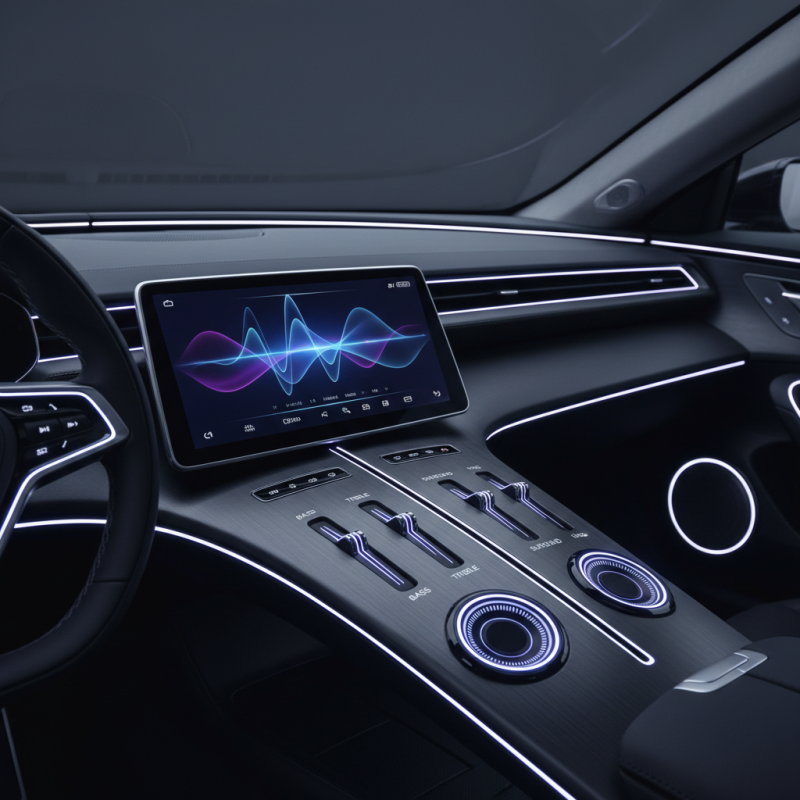
As we approach 2026, car audio systems are evolving rapidly. One major trend is the integration of artificial intelligence. This technology personalizes the audio experience. AI can adapt sound settings based on user preferences. Imagine a system that learns your favorite genres and optimizes sound quality accordingly.
Wireless technology is also gaining traction. Many modern systems now support Bluetooth and Wi-Fi connections. This means easier streaming and less clutter from cables. However, not all vehicles will have the same compatibility. Users might find some limitations in older models. It’s essential to verify compatibility before upgrading.
Another noteworthy trend is sustainability. Manufacturers are exploring eco-friendly materials for speakers and components. This shift aims to reduce environmental impact. Yet, some products may compromise sound quality for sustainability. Buyers should weigh these trade-offs carefully. The future of car audio is promising but requires thoughtful consideration.

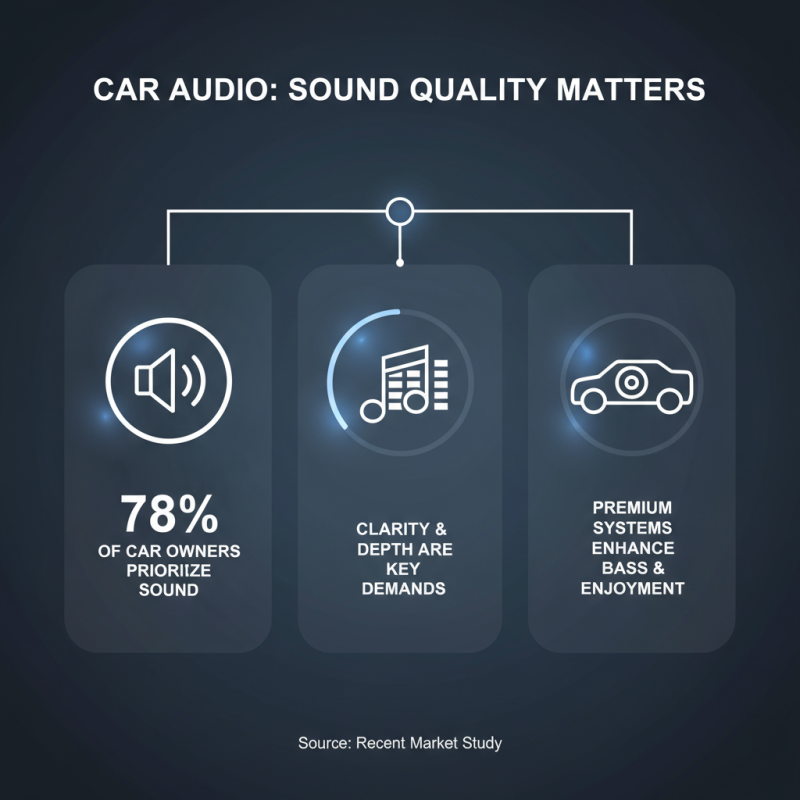
When considering audio systems for vehicles, sound quality is paramount. Many drivers demand clarity and depth from their car audio. A recent market study revealed that 78% of car owners prioritize sound quality over other features. Premium sound systems can include components like high-fidelity speakers and subwoofers. These options enhance bass response, making music more enjoyable.
Another critical aspect is the integration of advanced technology. Features such as Bluetooth connectivity and smartphone integration are becoming standard. Research shows that 60% of drivers use their phones to stream music. This interaction should be seamless and intuitive. However, installation complexity can undermine these advantages. A poorly installed audio system may result in sound distortion or connectivity issues, driving users to reconsider their choices.
Lastly, the importance of acoustic tuning cannot be overlooked. Proper tuning adjustments can elevate sound quality significantly. Misalignment can lead to uneven sound distribution. Unfortunately, many systems are not tuned optimally from the factory. Users often overlook this aspect, leading to a less than satisfactory audio experience. Investing time or resources in proper acoustic management can make all the difference in enjoying a premium sound experience.
The future of car audio is going through significant changes. Innovative technologies lead the way. For instance, according to a recent industry report, 46% of consumers prioritize sound quality in their vehicle audio systems. This statistic highlights the demand for advanced sound engineering methods. High-resolution audio and lossless formats are becoming standard. These features allow cleaner sounds and a better listening experience.
Furthermore, connectivity plays a crucial role in shaping this future. The integration of smartphones with vehicle systems is no longer an option; it’s essential. As reported, 64% of users find seamless integration vital for their audio experience. Features like voice control and wireless streaming enhance convenience. Nevertheless, challenges remain. Many systems face compatibility issues with various devices. This inconsistency can frustrate users who seek a smooth experience.
Another aspect to consider is the evolving design of car audio systems. New interfaces aim for user-friendliness. However, some designs still complicate operations while driving. Haptic feedback and touch sensitivity need refinement to ensure safety. Industry studies indicate that 58% of drivers feel distracted by complex controls. Designing intuitive systems while incorporating rich features is a challenge that requires careful thought.
| Feature | Description | Benefits |
|---|---|---|
| Wireless Connectivity | Supports Bluetooth and Wi-Fi for seamless device connection. | Increased convenience, reduced cable clutter. |
| Voice Command Integration | Allows hands-free operation through voice recognition. | Enhances safety and ease of use while driving. |
| Surround Sound Simulation | Creates a surround sound experience within the car. | Immersive audio experience, improved sound quality. |
| Customizable Sound Profiles | Users can adjust the equalizer settings to their preference. | Personalized listening experience tailored to individual tastes. |
| Advanced Noise Cancellation | Reduces background noise for clearer audio playback. | Enhanced audio clarity, better focus on music or calls. |
| App Integration | Connects with popular audio streaming and navigation apps. | Access to a wide range of entertainment and navigation options. |
| Adaptive Audio Adjustment | Adjusts audio output based on ambient noise levels. | Consistent listening quality regardless of driving conditions. |
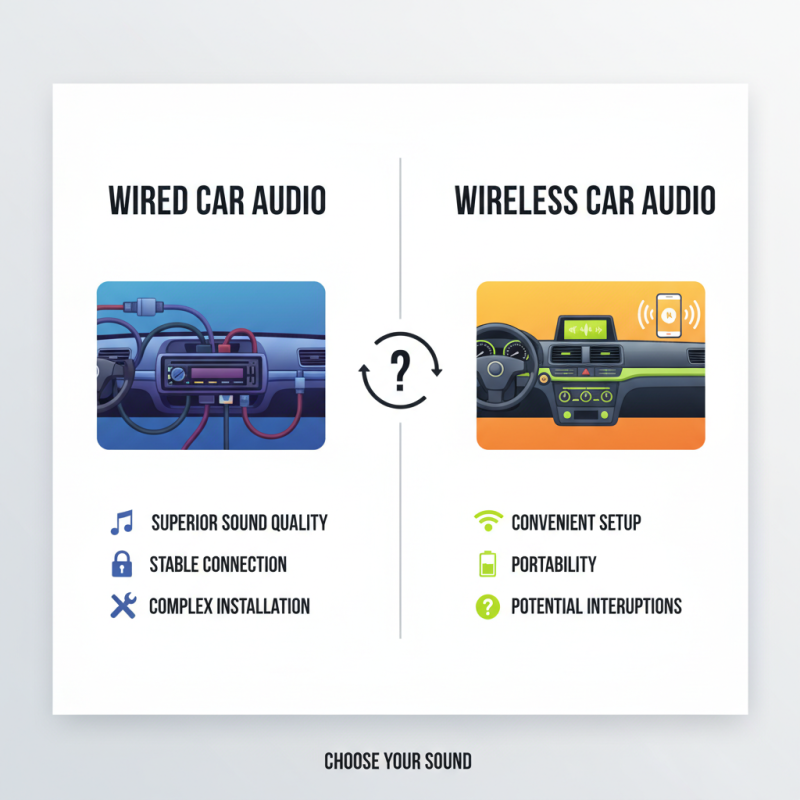
As car audio technology evolves, choosing between wired and wireless systems becomes essential. Wired systems often provide superior sound quality. They deliver a stable connection without interruptions. Many audiophiles swear by the clarity and depth offered by wired connections. However, installation can be cumbersome. Running wires through a vehicle isn’t always easy. It can lead to a messy or complex setup.
On the other hand, wireless audio systems are gaining popularity for their convenience. They eliminate the hassle of tangling cables and installation issues. Bluetooth and Wi-Fi connections allow for easy pairing and streaming. Yet, they can suffer from latency and dropouts. The sound may not be as rich as wired alternatives. This inconsistency can be frustrating, especially for music enthusiasts.
Both options have their pros and cons. A wired system promises high fidelity, but its installation may deter some. Meanwhile, a wireless system offers ease of use but may compromise sound quality. It’s crucial to weigh these factors based on personal needs and preferences.
User-friendly controls are essential in modern car audio systems. An intuitive interface allows drivers to engage with tech safely. Studies show that 80% of users prefer systems that minimize distractions. Touchscreens, voice commands, and steering wheel controls streamline operations. These features make accessing playlists or navigation easier. However, complexity often arises. Some systems overwhelm users with too many options.
Another important aspect is integration with smartphones. A 2023 survey indicated that 75% of drivers use their phones for music. Compatibility with apps like Bluetooth, Apple CarPlay, or Android Auto is crucial. These integrations create seamless experiences. Yet, not all systems achieve this. Some drivers encounter connectivity issues or compatibility problems. It leaves them frustrated.
Moreover, customization plays a role in user satisfaction. Users want to personalize sound settings or acoustic profiles. According to industry reports, 65% of people find superior sound quality important. Many systems provide presets, but they can feel generic. Users crave responsive controls, but often settle for mediocre options. Reflection on these aspects can lead to better options in the future.